LOCAL LAWN CARE IN HERNANDO
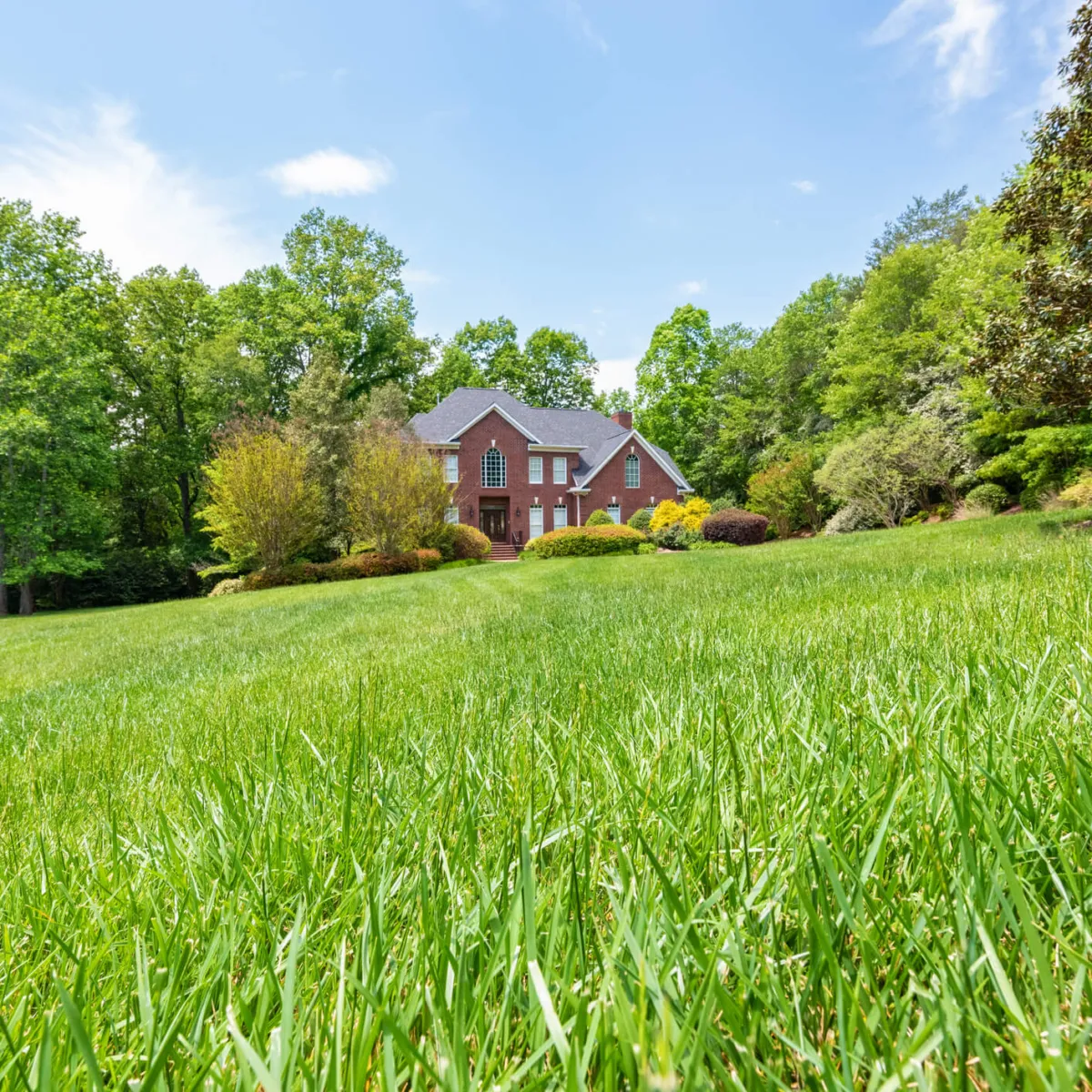
DeSoto Turf provides weed control and fertilization in Hernando, MS, through an eight-treatment lawn program. Visits are normally spaced 30 to 45 days apart, with each application planned around the season and the condition of the grass.
Hernando lawns move through winter dormancy, spring green-up, hot summer growth, and another transition in fall. Weeds change with the weather, so we don’t repeat the same treatment at every visit.
SEASONAL WEEDS RETURN
Hernando has a long growing season with warm, humid summers and rainfall throughout the year. Spring moisture can bring a flush of summer weeds, while late-summer and fall conditions set the stage for cool-season growth.
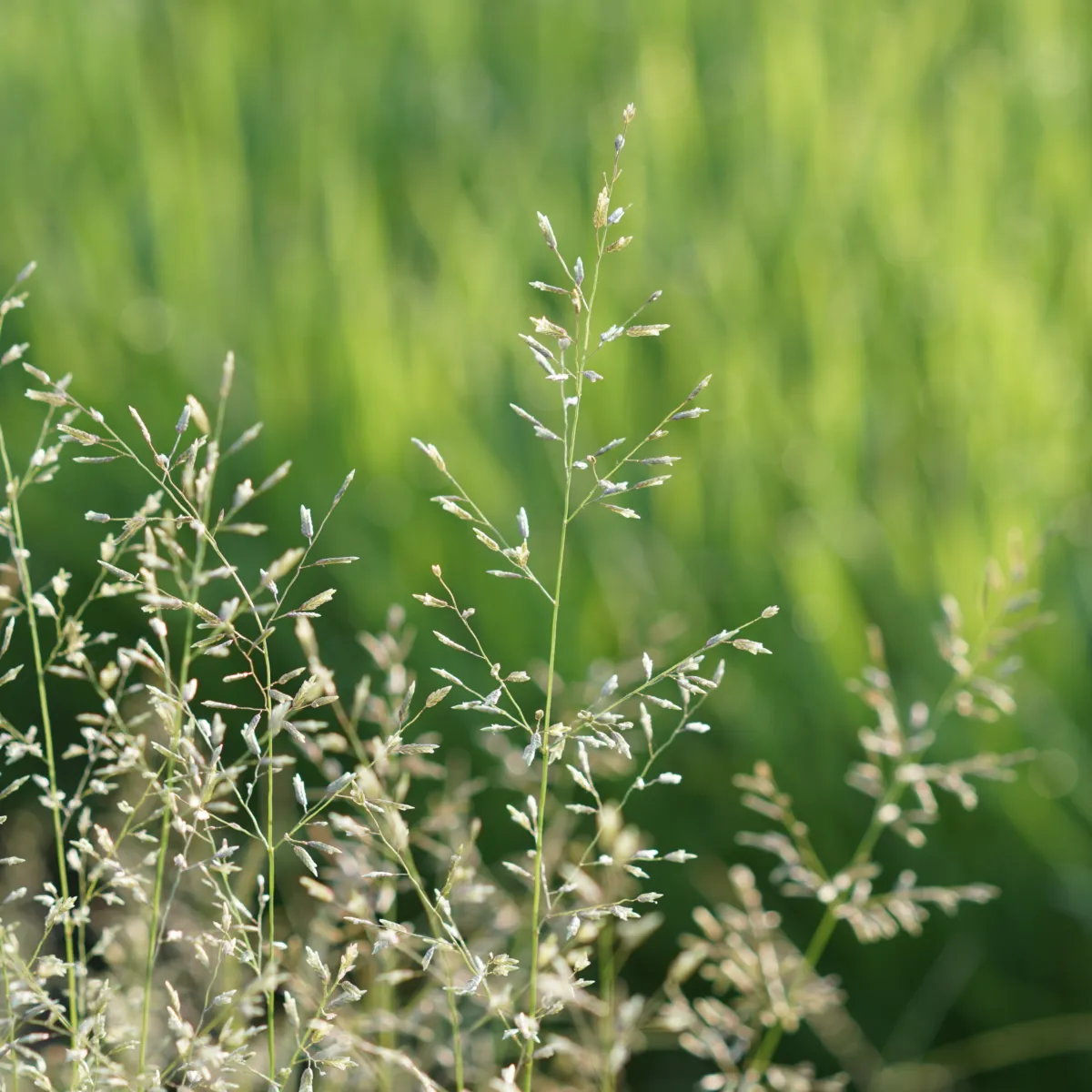
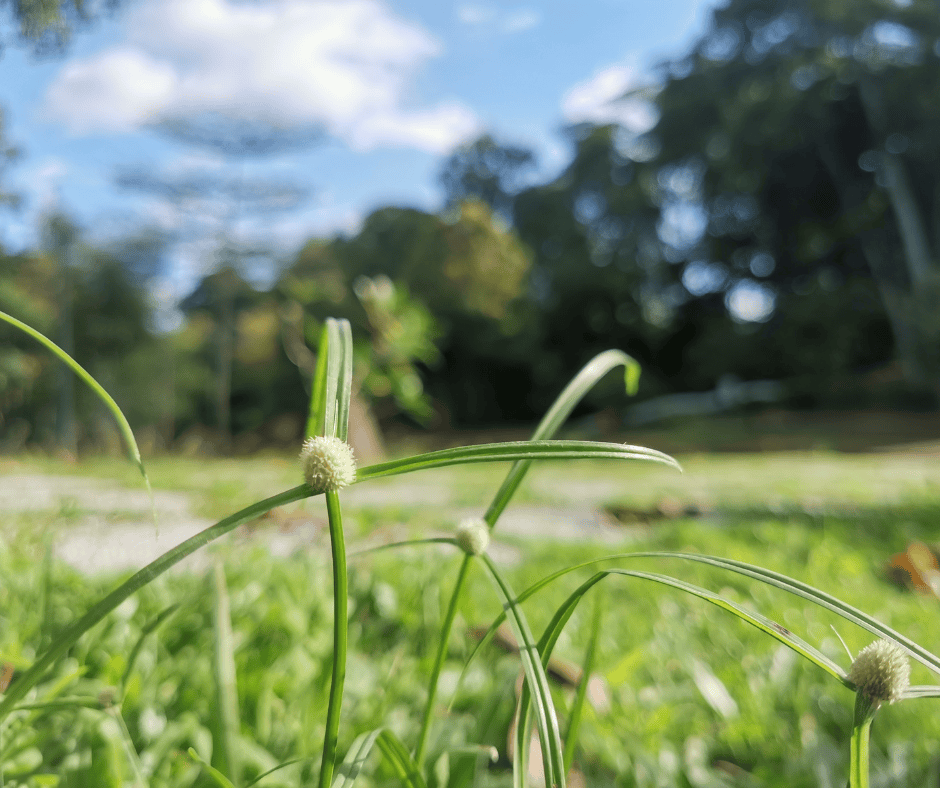
Crabgrass, dallisgrass, nutsedge, spurge, and Virginia buttonweed can become noticeable during warmer months. Poa annua, henbit, dandelions, and other broadleaf weeds may appear during winter or early spring.
The grass itself affects the problem. Bermudagrass and zoysiagrass can form dense turf with enough sun and proper care. When those lawns become thin from shade, compaction, drainage trouble, mowing damage, or uneven watering, weeds find space to grow.
Seeds may also remain in the soil long before they germinate. Pulling or spraying today’s weeds does not stop the next group from emerging later.
THE EIGHT-TREATMENT PLAN
The treatment windows follow seasonal changes rather than fixed lawn appearance. Weather can move green-up, weed germination, and application timing slightly from year to year.
We apply the first portion of spring pre-emergent for crabgrass and other warm-season weeds.
We may also treat visible winter weeds when conditions allow. Rain usually activates the pre-emergent, although watering may be needed if Hernando experiences an extended dry period.
The second spring pre-emergent extends preventive coverage. We also look for henbit, dandelions, Poa annua, and winter grasses that have broken through.
Warm-season lawns may still be partly dormant at the beginning of this window.
As the grass greens and begins growing, we apply slow-release granular fertilizer and spot-treat visible weeds.
Winter injury, spring dead spot, thin areas, and compacted soil often become easier to see now. Hernando’s clay and loam soils can become dense with repeated traffic. Lawn aeration may help when compaction is restricting the root zone.
The lawn receives another granular fertilizer application. Nutsedge, dallisgrass, Virginia buttonweed, and spurge are treated where found.
High temperatures, humidity, uneven irrigation, and lawn disease can all cause discoloration. We check the pattern before assuming every off-color patch needs fertilizer.
The fertilizer blend changes during the hottest part of the year. It contains less nitrogen than the previous treatment, helping us avoid forcing excessive top growth.
Potassium supports root development, and iron helps maintain color. We treat active weeds when conditions are suitable.
We apply fall pre-emergent before Poa annua and other cool-season weeds germinate.
Visible sedge, spurge, and other weeds may also be treated during this round.
This visit combines pre-emergent for early spring broadleaf weeds with post-emergent for weeds already present.
Warm-season grass may begin losing color as cooler nights arrive. That seasonal change is normal and does not automatically mean the lawn is unhealthy.
The final round includes granular lime and spot treatment for remaining weeds.
The lime works through the cooler months and completes the yearly schedule.
BUILT FOR HERNANDO LAWNS
DeSoto Turf combines pre-emergent, post-emergent, seasonal fertilizer, and a final lime application. The program follows the lawn year-round instead of treating every weed or grass condition the same way.
Spring pre-emergent is divided between two visits. These treatments go down before crabgrass and other targeted summer weeds begin germinating.
Hernando can move from cool winter conditions into warm spring weather quickly. Splitting the application creates a longer preventive window without applying the full rate to dormant warm-season grass at once.
Fall pre-emergent focuses on Poa annua and broadleaf weeds that germinate as soil temperatures drop.
Poa annua is much harder to manage after it becomes established. Preventive timing matters more than waiting until green patches appear across a dormant lawn.
Post-emergent treatment addresses weeds that have already surfaced. We may treat the lawn broadly or spot-spray individual areas.
Dallisgrass, nutsedge, and Virginia buttonweed often take more than one treatment. The product and timing must also protect the surrounding grass, especially when the lawn is stressed by heat, drought, or seasonal transition.
Start fertilizing after the grass comes out of dormancy. Slow-release nitrogen supports steady color and growth without forcing one short burst.
Later applications use less nitrogen and more potassium to support the roots as summer ends. Iron helps maintain color without pushing excessive growth.
The final visit includes granular lime. Lime helps move soil pH toward a range where grass can use available nutrients more efficiently.
It works gradually and does not produce an immediate green-up.
Homeowners can also ask about our 6-Treatment Insect Program, which provides six scheduled applications targeting fleas, ticks, and ants in the grass. These applications are typically coordinated with the second through seventh visits of our eight-treatment lawn care program.
The insect service is limited to grass and is separate from our regular weed control and fertilization treatments.
AFTER YOUR LAWN VISIT
Read the service notes before mowing or watering. Instructions can vary depending on whether the application included liquid weed control, granular fertilizer, pre-emergent, or lime.
In general:
Heavy watering can create runoff or move the application away from its target area. This matters on sloped Hernando properties and in places where compacted soil already limits absorption.
The EPA recommends following the product label and keeping children and pets away until the pesticide has dried or for as long as the label requires. Review its pesticide safety tips for general precautions.
WHAT RESULTS LOOK LIKE
Post-emergent treatment may cause weeds to curl, fade, or stop growing before they decline. Young weeds can respond sooner than mature or perennial growth.
Pre-emergent works before targeted weeds appear, so that you won’t see an immediate visual change. A few weeds may still emerge if they germinated before treatment, landed above the treated soil, or returned from established roots.
Fertilizer results appear as the grass grows and uses the nutrients. A bare area caused by deep shade, compaction, poor drainage, disease, or missed sprinkler coverage will not fill in through fertilizer alone.
CARE BETWEEN TREATMENTS
Treatment works best when mowing and watering support the grass.
Landscape beds need their own weed strategy. DeSoto Turf offers a separate flower bed pre-emergent program for maintained mulched areas.
THE DESOTO TURF DIFFERENCE
DeSoto Turf is based in Hernando and understands how local lawns move through the Mid-South growing season. We do not bring the same application to every visit.
The treatment changes with weed pressure, grass growth, and the time of year. We also tell you when the lawn appears to have irrigation trouble, compaction, shade, disease, or another condition outside routine weed control.
The program includes:
Review the complete weed control and fertilization program for more information about each round.
COMMON HERNANDO QUESTIONS
These answers cover Hernando weed seasons, local grasses, treatment timing, safety, watering, and the expected response after service.
Hernando’s weed pressure changes from cool-season poa annua and henbit to summer crabgrass, nutsedge, dallisgrass, and spurge. A scheduled program addresses those changes instead of waiting for every new outbreak.
Tell DeSoto Turf what you are seeing, where the lawn stays wet or dry, and how the grass has responded to past treatments. We will review the property, confirm service availability, and explain where the eight-treatment program should begin.