HEALTHIER SOIL STARTS WITH THE RIGHT pH

Lawn Lime Treatment Services for Better Soil Health

DeSoto Turf includes granular lime treatment in the final round of its eight-treatment lawn care program. The application is scheduled between November 20 and December 31, when warm-season grass has generally stopped actively growing.

Lime helps raise soil pH when the ground is too acidic. This can improve how efficiently grass uses nutrients already present in the soil.

The treatment works gradually. It does not act like fertilizer, kill weeds, or turn dormant grass green.

Our final lawn visit also includes spot treatment for weeds that remain at the end of the year.

UNDERSTANDING SOIL ACIDITY

Why Does Soil pH Matter for Your Lawn?

Grass needs more than fertilizer to grow well. The soil must also allow roots to absorb the nutrients available.

Soil pH measures how acidic or alkaline the ground is. A reading below 7 is acidic, while a reading above 7 is alkaline.

Most lawn grasses grow best within a particular pH range. That range is not identical for every species.

When soil becomes too acidic, some nutrients become less available to the grass. Adding more fertilizer may not correct the problem if the soil chemistry is preventing efficient nutrient uptake.

Acidic soil can also affect root growth and the activity of beneficial soil organisms.

However, poor grass growth does not automatically mean the lawn needs lime. Compaction, disease, insects, and watering problems can produce similar symptoms.

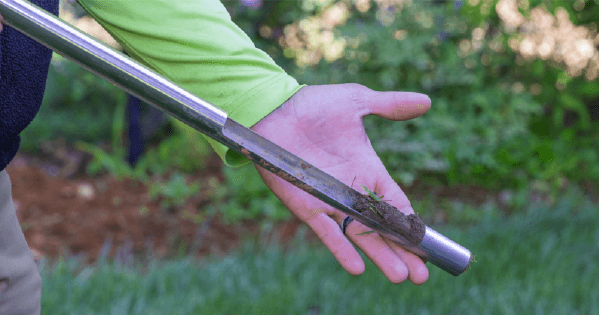
A soil test is the most reliable way to determine whether pH correction is needed.
HOW LIME TREATMENT WORKS

What Does Lime Actually Do for Lawn Soil?

Lime is a soil amendment, not a fertilizer.

Its main purpose is to reduce excessive acidity and move soil pH toward a range suitable for the grass.

Raise Soil pH Gradually

Agricultural lime contains compounds that react with soil acidity.

As the material breaks down and reacts in the soil, the pH can begin to rise.

This process takes time. Lime does not change the soil immediately after application.

Improve Nutrient Availability

Grass depends on nutrients such as nitrogen, phosphorus, and potassium.

Soil pH influences how available those nutrients are to plant roots.

When excessive acidity is corrected, grass may be better able to use nutrients supplied through regular fertilization.

The University of Georgia Cooperative Extension explains the relationship between soil pH and turfgrass nutrition.

Support Healthy Root Growth

Roots need suitable soil conditions to absorb water and nutrients.

Very acidic soil can interfere with root development and make it harder for grass to grow consistently.

Correcting excessive acidity can help create a more suitable environment for roots.

Lime does not physically loosen compacted soil. That requires a different approach, such as mechanical aeration.

Work Alongside Fertilization

Fertilizer supplies nutrients. Lime adjusts soil acidity.

The two treatments serve different purposes.

A lawn may receive regular fertilizer but still struggle if its soil pH is outside the preferred range.

Lime can help address that issue when testing shows the soil is too acidic.

Prepare Soil for the Next Growing Season

DeSoto Turf applies granular lime during the final treatment of the year.

Because lime reacts gradually, the application is intended to improve soil conditions ahead of the next growing season.

It is not meant to produce immediate winter growth.

THE LIME TREATMENT PROCESS

What Happens During a Lawn Lime Treatment?

Review the Lawn's Soil Needs

Before deciding how much lime a lawn needs, soil pH should be considered.

Grass color alone cannot confirm acidity. A soil test provides a more reliable measurement and helps determine whether additional lime is appropriate.

Different grasses also have different preferred pH ranges.

Select the Appropriate Lime Application

DeSoto Turf's established program uses granular lime during its eighth treatment.

The granules are brown or gray and are not especially noticeable once spread across the lawn.

The correct application rate should account for soil conditions, product characteristics, and any available soil test recommendations.

Distribute the Lime Across the Lawn

Granular lime is spread over the treatment area.

Even distribution matters because excessive buildup in one section can create uneven soil correction.

The product should be applied at the recommended rate rather than adding extra material in hopes of getting faster results.

Address Remaining Weeds

The eighth visit also includes post-emergent spot treatment for weeds still present.

This is separate from the lime application.

Lime does not kill weeds, and the herbicide does not perform the same function as lime.

Each product has its own purpose.

Allow the Lime to React With the Soil

After application, lime begins a gradual process of neutralizing soil acidity.

Rainfall and soil moisture help the material react, but changes in pH take time.

The treatment is intended to support soil conditions for future growth rather than create an immediate visible response.

AFTER YOUR LIME APPLICATION

What Should You Do After Lawn Lime Treatment?

Granular lime generally requires less day-to-day attention than many lawn treatments, but you should still follow the instructions provided after service.

The final visit may also include a weed-control application, so aftercare should account for both products.

  • Leave the lime granules in place.
  • Follow any watering instructions provided.
  • Avoid applying additional lime without checking soil pH.
  • Keep children and pets away from treated areas for any period required by the products applied.
  • Avoid unnecessary soil disturbance immediately after treatment.
  • Remove or mulch fallen leaves regularly.
  • Do not expect dormant grass to turn green after lime is applied.

Watering requirements can differ between products.

If post-emergent herbicide was also applied, follow the relevant mowing, watering, and re-entry instructions.

Adding extra lime will not make the treatment work faster.

UNDERSTANDING LIME TREATMENT RESULTS

When Will Lime Treatment Start Making a Difference?

Lime works slowly.

The granules may begin breaking down after rainfall or irrigation, but a measurable change in soil pH can take several months.

The speed of the reaction depends on the liming material, soil conditions, and how much acidity needs to be corrected.

You should not expect an immediate improvement in grass color.

A lawn that is dormant will remain dormant until growing conditions become suitable again.

If excessive soil acidity was limiting nutrient availability, correcting the pH may help the grass respond more effectively to fertilizer during active growth.

However, lime cannot repair bare patches caused by shade, insect damage, disease, or poor drainage.

Mississippi State University Extension explains why soil testing and pH adjustment are important before applying additional lime.

SOIL CARE BETWEEN TREATMENTS

How Can You Maintain Better Soil Conditions?

Avoid Applying Lime Without a Soil Test

More lime is not always better.

Adding lime when soil pH is already suitable can push the soil outside the preferred range for the grass.

This may reduce the availability of certain nutrients.

Follow the Lawn's Fertilization Schedule

Lime does not supply the same nutrients as a complete fertilizer.

Continue appropriate seasonal fertilization rather than treating lime as a replacement.

DeSoto Turf’s lawn treatment program includes fertilizer during active growing periods.

Keep Watering Consistent

Water according to the grass’s needs and seasonal conditions.

Avoid prolonged saturation or heavy runoff.

Poor watering practices can damage the lawn even when soil pH is appropriate.

Address Compacted Soil Separately

Lime does not remove compaction.

If the ground is hard and water struggles to penetrate, core aeration may be more useful.

Soil acidity and soil compaction are separate problems.

Check Soil Conditions Before Repeating Treatment

Soil pH changes gradually.

Repeated applications without testing can lead to overliming.

A new soil test can help determine whether further correction is necessary.

LIME AND OTHER LAWN TREATMENTS

What Is the Difference Between Lime and Fertilizer?

Lime Adjusts Soil Acidity

Lime is used to raise soil pH when the ground is too acidic.

Its primary role is soil correction rather than immediate grass growth.

Fertilizer Supplies Nutrients

Fertilizer provides nutrients that support grass growth, color, and root development.

The amount and type of fertilizer should suit the grass and growing season.

Weed Control Targets Unwanted Plants

Pre-emergent herbicides help prevent certain weeds from establishing.

Post-emergent herbicides address weeds already growing.

Neither treatment replaces lime when soil acidity needs correction.

Aeration Addresses Soil Compaction

Mechanical aeration removes small soil plugs to improve air and water movement.

Lime does not create these openings.

Soil Testing Helps Determine What Is Needed

A soil test measures pH and can provide recommendations for lime and fertilizer.

The University of Georgia Cooperative Extension provides guidance on soil testing for home lawns.

Testing is particularly useful when poor growth continues despite regular maintenance.

THE DESOTO TURF APPROACH

Why Choose DeSoto Turf for Lawn Lime Treatment?

DeSoto Turf includes granular lime in its established eight-treatment lawn care program.

The company does not rely on one application type throughout the year.

Spring treatments focus on weed prevention. Fertilization begins when grass is actively growing. Later visits address seasonal weeds and prepare the lawn for cooler weather.

The final treatment includes lime to support soil pH correction, along with spot treatment for remaining weeds.

This approach gives the lime application a defined place within the annual program rather than treating it as a quick fix for poor grass growth.

The need for additional lime beyond the established schedule should be guided by soil conditions and testing.

You can learn more about the company on the About DeSoto Turf page.

COMMON LIME TREATMENT QUESTIONS

Frequently Asked Questions

Give Your Lawn Better Conditions for Future Growth

Fertilizer can supply the nutrients grass needs, but soil pH affects how efficiently those nutrients are used.

DeSoto Turf’s final annual treatment includes granular lime to help raise soil pH, along with spot treatment for remaining weeds.

The application works gradually and is intended to support soil conditions ahead of the next growing season.

For questions about the eight-treatment program, lime applications, or soil concerns, contact DeSoto Turf. The team can explain the available services and treatment schedule.