
Weed Prevention for Beds
DeSoto Turf provides flower bed pre-emergent weed control through four scheduled applications each year. We time these visits with treatments 1, 2, 6, and 7 of our lawn treatment program.
We apply a granular product to maintained landscape beds before targeted weed seeds begin growing. The service works best in beds with a consistent mulch layer and few existing weeds.
HOW PRE-EMERGENT HELPS
Pre-emergent works before targeted weed seeds become established. It creates a treatment zone near the soil surface that interferes with early seedling development.
The service is preventive. It will not remove weeds that are already growing, and it will not stop every type of weed.
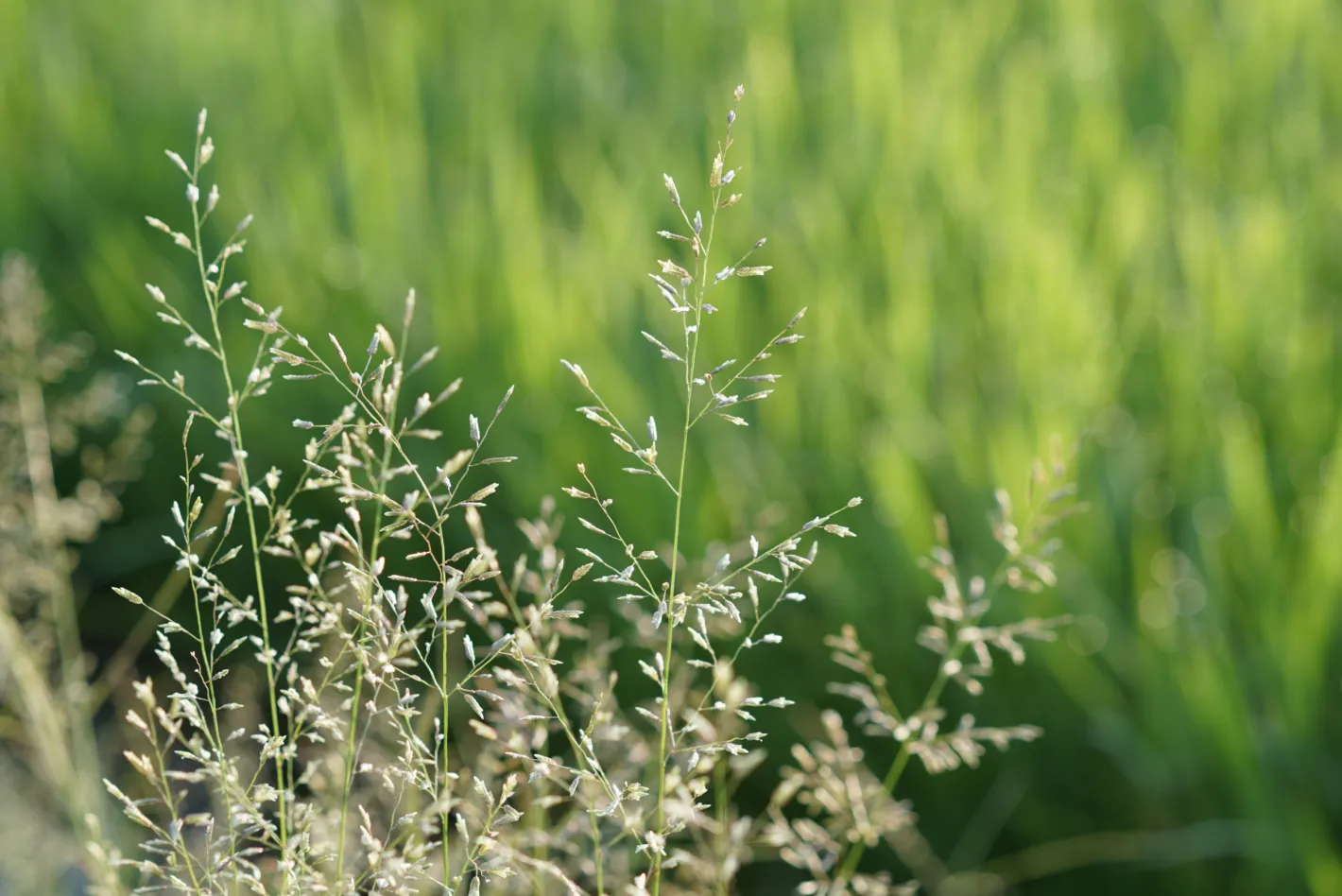
Annual weeds grow from seed, complete their life cycle, and leave more seed behind. Treating before germination can reduce how many become established in the bed.
Mississippi State University Extension notes that annual landscape weeds are generally easier to manage because they respond to pre-emergent treatment and hand removal. Its guide explains more about weed management in ornamental landscape beds.
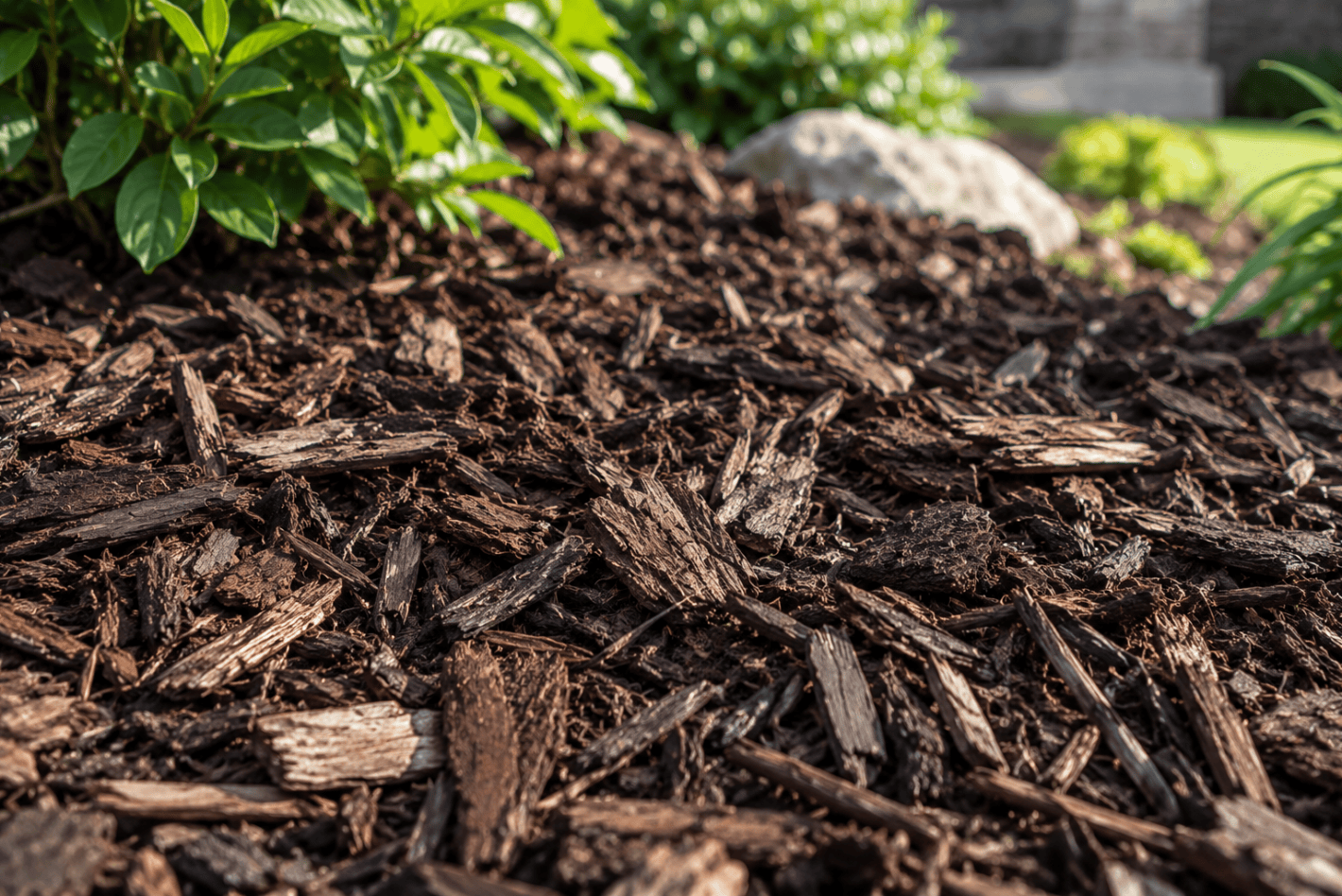
Mulch blocks light, covers exposed soil, and makes it harder for some seedlings to establish. Pre-emergent adds another layer of protection below or within that mulch.
The two work better together than either one does alone. DeSoto Turf recommends maintaining mulched beds and refreshing them as needed during the year.
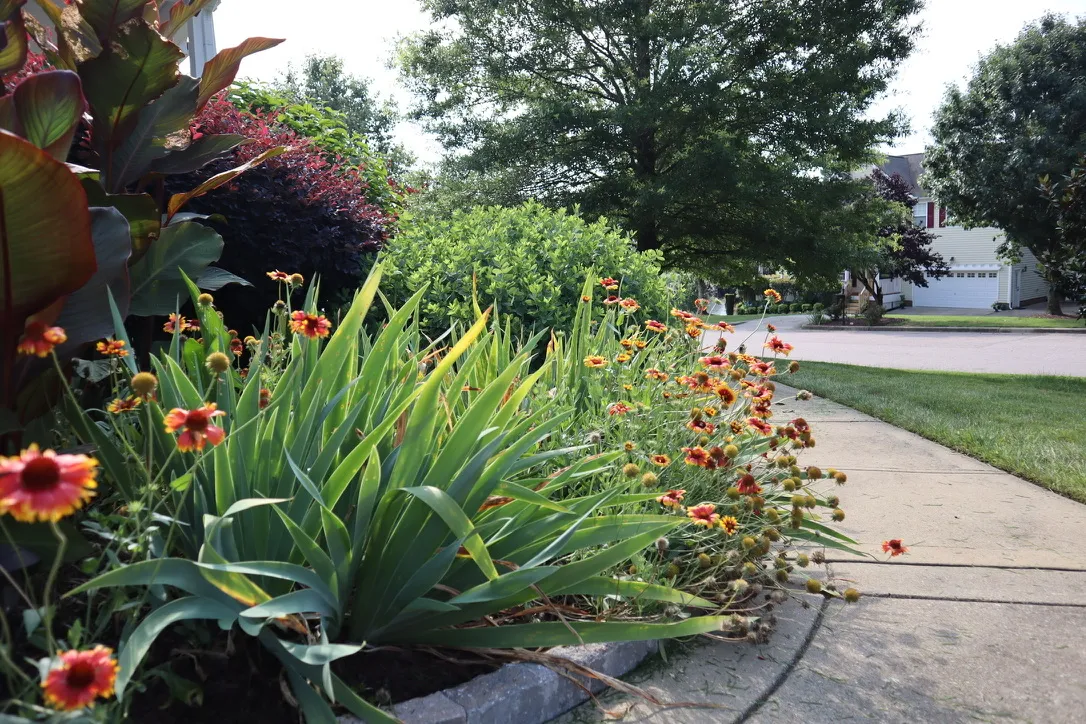
Pre-emergent can reduce the number of new weeds you need to pull later. It does not make bed maintenance-free, but it can reduce pressure when applications and mulch are maintained.
Some seeds may germinate before treatment, land above the treatment zone, or grow where the barrier has been disturbed.

The granular product is not intended to kill mature weeds already present. Remove those weeds before treatment so they do not keep growing or dropping seed.
Perennial weeds such as nutsedge, dollarweed, bermudagrass, and vines may regrow from roots, runners, or underground structures. Pre-emergent alone will not remove them.
OUR FOUR-STEP SCHEDULE
The flower bed program follows the same general schedule as treatments 1, 2, 6, and 7 of the lawn program. This covers two spring visits and two fall visits.
We apply the first application early in the year, before many warm-season annual weeds begin germinating.
Remove existing weeds before we treat the bed. We also check whether bare soil, thin mulch, or drainage trouble could leave areas open to new growth.
The second application follows later in the spring. Pre-emergent products break down over time, so another visit helps extend coverage into the warmer growing season.
Keep the bed mulched and as undisturbed as possible after treatment.
The third application takes place as the program moves into fall. It focuses on annual weeds that begin germinating as temperatures cool.
Treating before those seeds emerge gives the product a chance to work during early growth.
The final application extends the fall treatment window and helps prepare the beds for early spring weed pressure.
Visible weeds may still need hand removal because this program is designed to prevent new germination rather than kill existing growth.
BEFORE AND AFTER SERVICE
Remove existing weeds before the scheduled application. Pull the roots when possible, especially for weeds that can grow back from underground parts.
Clear thick piles of leaves and loose debris so the granules can reach the mulch or soil surface. Move toys, pet bowls, decorations, and other loose items out of the treatment area.
After service:
The EPA recommends keeping children, toys, and pets away from treated areas until the product has dried or for as long as the label requires. Review its pesticide safety tips for general precautions.
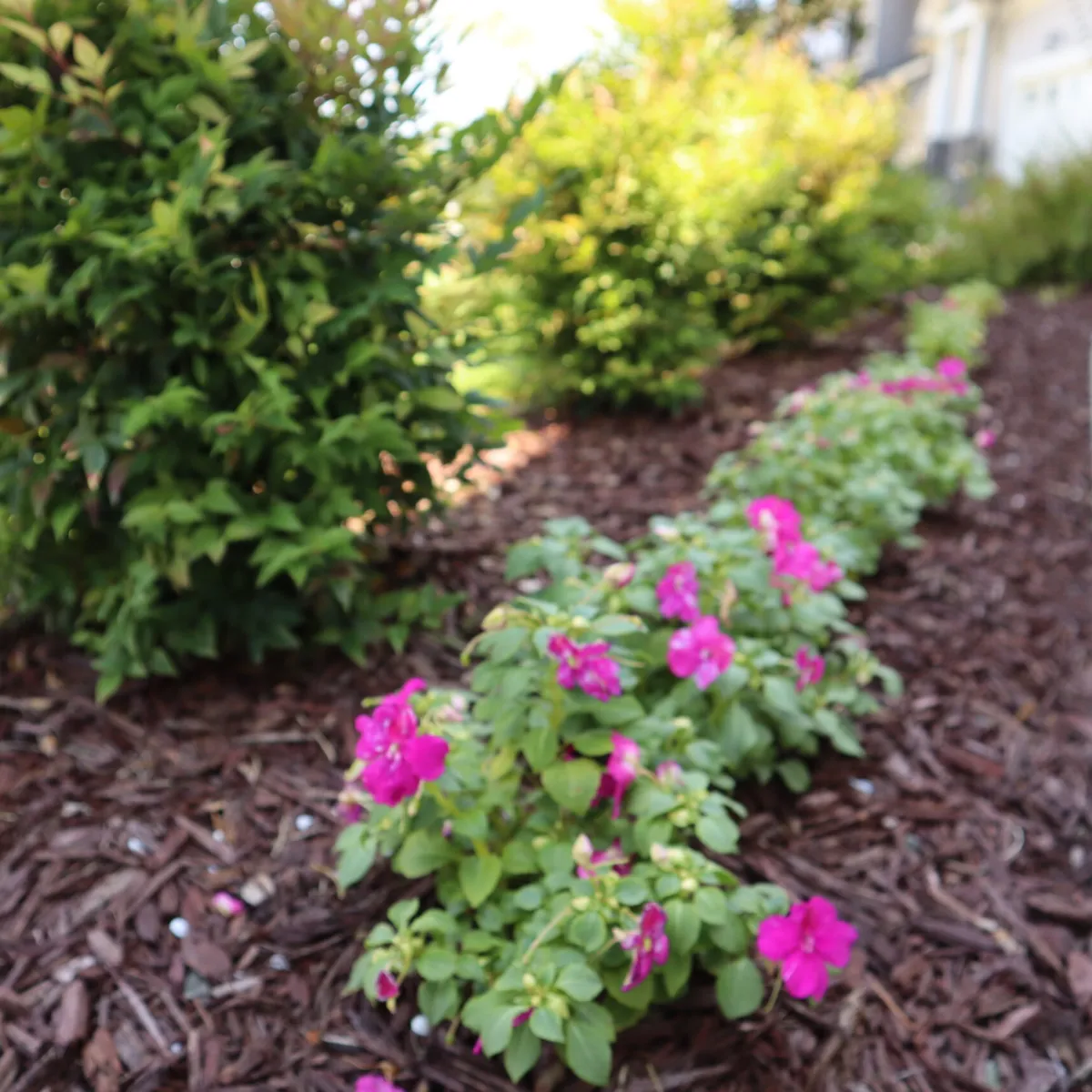
WHAT RESULTS LOOK LIKE
You won’t see an immediate visual change after applying pre-emergent. The product works during germination, before targeted weeds become noticeable.
The program does not remove existing weeds, replace mulch, or correct drainage. It works best when you handle those parts of bed maintenance along with the scheduled applications.
HELP THE BARRIER LAST
Try to disturb the soil and mulch as little as possible. Digging, moving plants, raking deeply, or allowing water to wash through the bed can create gaps in the treated area.
A few practical habits can help:
Mississippi State University Extension generally recommends a mulch depth of 1 to 2 inches and no more than 3 inches. Excess mulch can affect plant health and hold unwanted moisture.
KNOW WHAT IT CANNOT DO
Pre-emergent is most useful against weeds that grow from seed. It is less useful once weeds are established or when they spread through roots, stolons, or rhizomes.
Hand removal may still be needed for:
Post-emergent products require care around ornamental plants. Many common lawn herbicides can injure flowers, shrubs, and ground covers. Do not apply another product to treated beds without checking the label and confirming that it is suitable for the plants present.
THE DESOTO TURF DIFFERENCE
We schedule the four flower bed applications with selected visits from the lawn program. This keeps the timing organized without treating the beds during every lawn visit.
DeSoto Turf is clear about what the service does. It helps prevent certain weeds from germinating. It does not kill weeds already growing or guarantee completely weed-free beds.
Our program includes:
You can review DeSoto Turf’s other available options on the services page.

Common Flower Bed Questions
These answers cover application timing, mulch, existing weeds, watering, plant safety, and what to expect during the year.
We take the time to understand your concerns, explain which service fits, and what you can expect after each service. You will have a clear starting point and practical guidance for what comes next.