TAKE BACK YOUR YARD FROM FLEAS AND TICKS
Your yard should be a place where your family and pets can spend time without constantly worrying about fleas and ticks. When these pests become established around the property, even ordinary activities like walking through the grass or letting the dog outside can become a concern.
Our service pros inspect shaded grass, landscaping, vegetation, and sheltered areas around the property. We look for conditions that allow fleas and ticks to survive and determine where treatment may be needed.
Fleas and ticks behave differently, so we do not treat them as the same problem. We choose an approach suited to the pest, explain what to expect afterward, and help you identify changes that may reduce future activity.
UNDERSTANDING FLEA AND TICK ACTIVITY
Fleas and ticks can enter a yard through pets, wildlife, and other animals moving through the area.
Once present, they may find suitable places to survive in shaded vegetation, protected soil, or areas where animals regularly rest.
Fleas commonly develop where infested animals spend time. Eggs can fall from an animal’s coat into bedding, carpets, soil, or other sheltered locations. As the flea life cycle continues, new adults may emerge even after the original fleas have been treated.
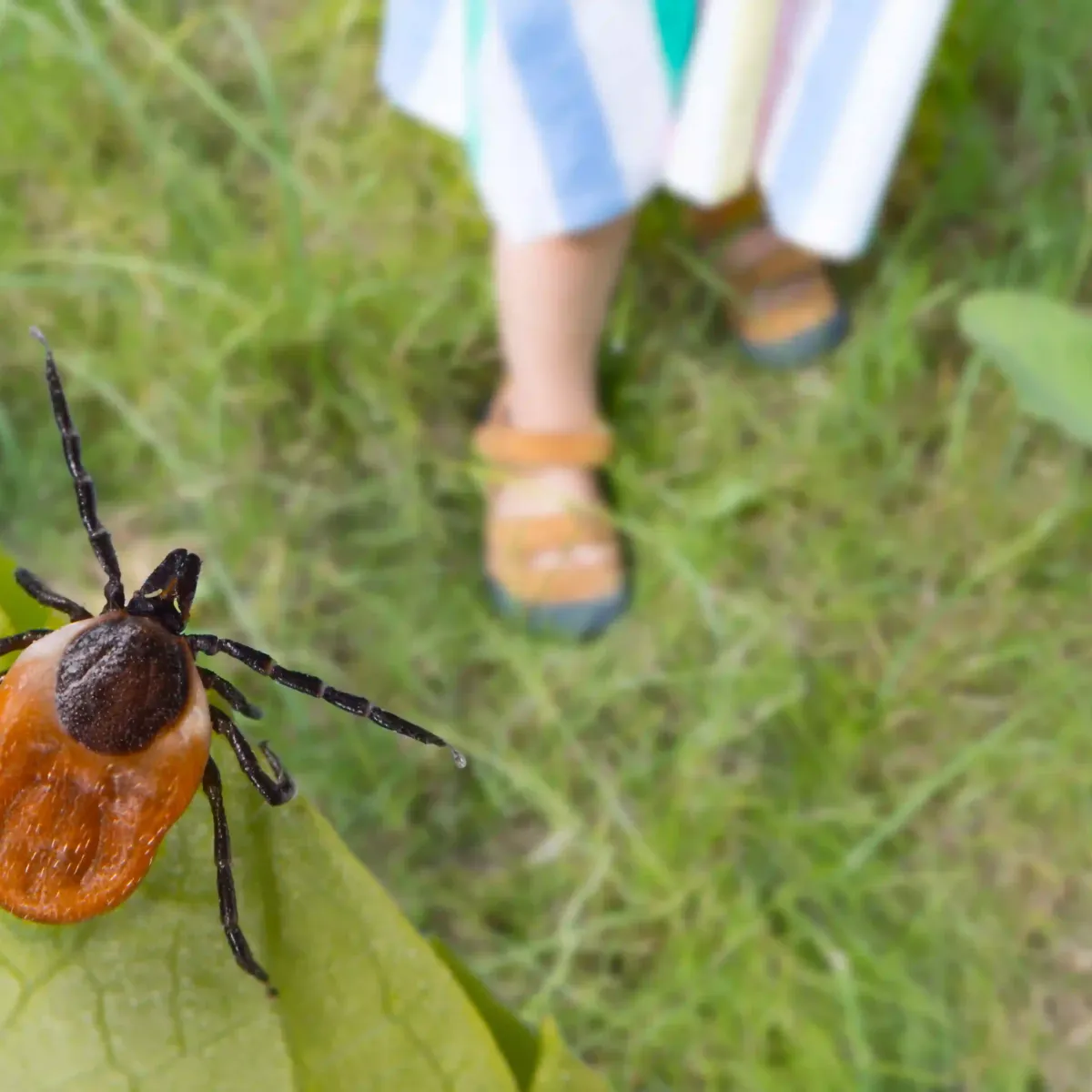
Ticks have a different life cycle. They spend much of their time in the environment, waiting for a suitable host. Depending on the species, they may be found in tall grass, leaf litter, brush, or other protected vegetation.
Both pests can be difficult to notice until someone finds them on a pet, clothing, or skin.
Treating the entire lawn without checking where the pests are active may overlook the areas that matter most.
Our service pros focus on the conditions and locations associated with the infestation before recommending treatment.

IDENTIFYING THE PEST PROBLEM
Fleas and ticks both feed on blood, but their habits, development, and treatment needs are different.
Fleas are small, wingless insects that move quickly through animal fur and can jump considerable distances relative to their size.
They commonly affect dogs and cats, although other animals can carry them.
Adult fleas feed on blood. Their eggs fall into the surrounding environment, where immature stages develop in protected areas.
This is why treating only the adult fleas visible on a pet may not resolve an established infestation.
Our service pros look at the outdoor areas where pets rest, play, and spend time. We also consider shaded locations where flea development may be occurring.
Outdoor treatment works best when pet care and any necessary indoor flea control are addressed at the same time.
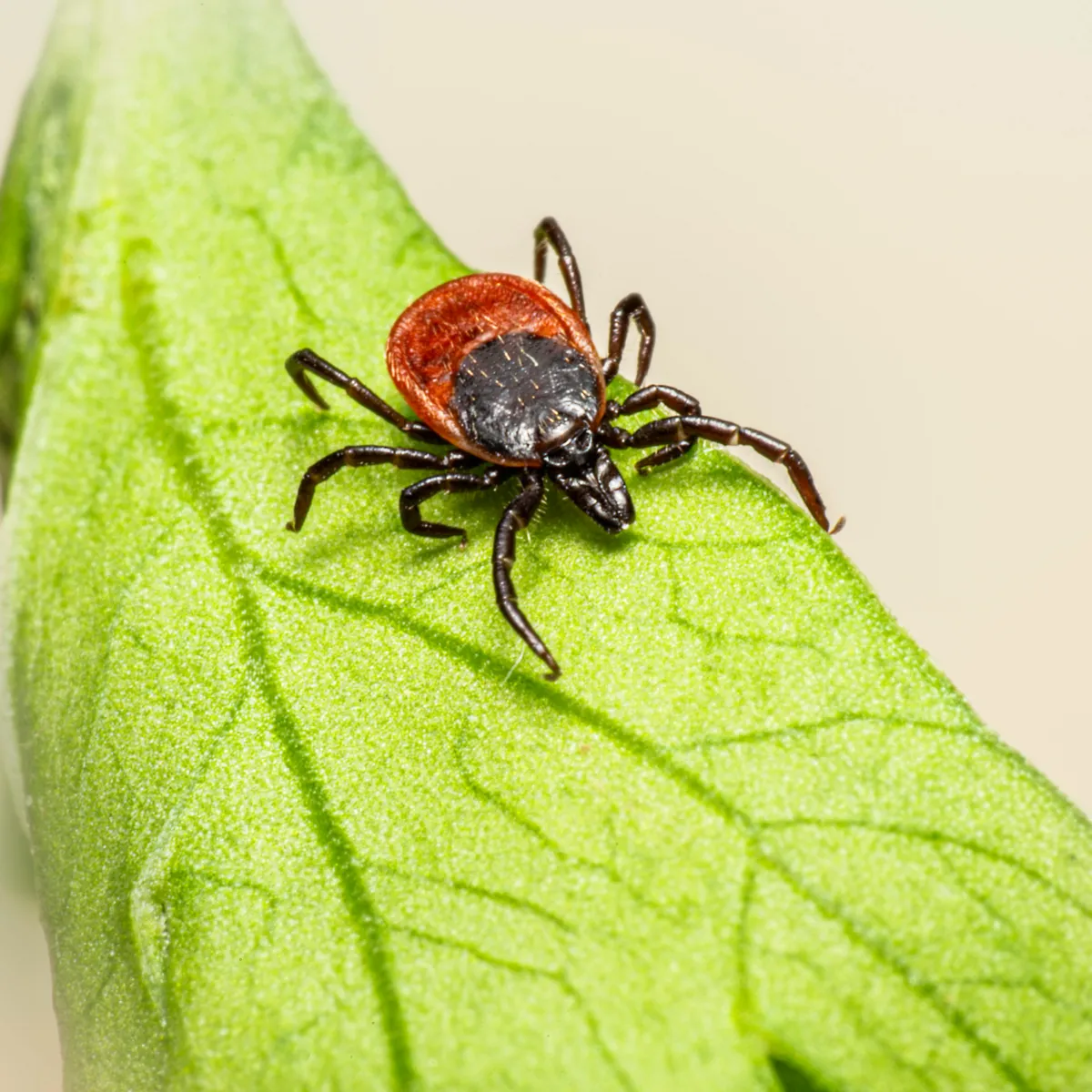
Ticks are arachnids rather than insects.
They attach to animals or people to feed and may remain unnoticed until they become larger after taking a blood meal.
Different tick species use different habitats. Some are associated with wooded edges and leaf litter, while others may be found in grassy or landscaped areas.
Ticks can also be carried into yards by wildlife and pets.
Our service pros inspect likely tick habitats and focus on areas where people or animals may come into contact with them.
Treatment can reduce activity in selected locations, but it cannot guarantee that ticks will never enter the property again.
Fleas often require attention to the places where eggs, larvae, and pupae develop.
Ticks are more closely associated with vegetation, animal movement, and environmental hiding places.
Their life cycles also differ.
We consider the pest involved, the extent of the activity, and the affected areas before selecting a treatment.
WHERE PESTS HIDE
Flea larvae are sensitive to drying conditions and tend to develop in protected environments.
Shaded soil and areas where animals rest can provide more suitable conditions than exposed, sunlit grass.
We pay particular attention to locations used regularly by pets.
Accumulated leaves, dense plants, and sheltered landscaping can create favorable conditions for some tick species.
These areas may also attract wildlife that carries ticks.
Keeping vegetation maintained and removing unnecessary debris can help reduce suitable habitat.
Ticks may be present where maintained lawns meet taller vegetation, brush, or wooded areas.
Animals moving along fence lines can also introduce fleas or ticks.
We inspect these transition areas when they are relevant to the reported activity.
Dogs and cats often return to the same outdoor spaces.
Shaded resting spots, kennels, and areas beneath decks may become important locations during a flea infestation.
Our service pros review these areas and explain whether additional cleaning or pet-related treatment is necessary.
Wildlife can carry fleas and ticks onto residential properties.
Animal trails, sheltered corners, and areas with accessible food may encourage repeated visits.
We may recommend reducing wildlife attractants where practical.
THE DESOTO TURF APPROACH
We start by finding out which pest is causing the problem and where it is most likely to be active.
Fleas and ticks require different control strategies.
Our service pros review the reported activity and inspect likely habitats before recommending treatment.
When identification is uncertain, we avoid assuming that every small biting pest is a flea or tick.
We look at shaded grass, vegetation, landscaping, animal resting areas, and property edges.
The inspection helps us identify locations where treatment may be useful.
Not every part of the yard necessarily needs the same application.
We select a product labeled for the target pest and intended treatment area.
The application method depends on the pest, the product instructions, and the conditions found during inspection.
We also consider nearby plants, outdoor living areas, and places used by children or pets.
Our service pros focus on the locations associated with pest activity.
For fleas, these may include suitable outdoor development areas.
For ticks, treatment may focus on vegetation and other habitats where exposure is more likely.
We follow the product label rather than applying more material than necessary.
Outdoor treatment is only one part of flea and tick management.
Pets may need veterinarian-recommended prevention. Indoor flea infestations may require separate attention. Landscaping changes can also help reduce tick habitat.
We explain which steps matter for the situation found on your property.
THE FLEA AND TICK CONTROL PROCESS
We begin by asking what you have noticed.
Have you found fleas on your dog after outdoor play? Are ticks appearing on clothing after yard work? Have you noticed pests near a kennel or shaded sitting area?
These details help us decide where to inspect.
Our service pros examine the areas where fleas or ticks may be living.
We look at vegetation, shaded soil, pet resting spots, and property edges.
We also consider whether wildlife or neighboring vegetation may be contributing to the activity.
Once we understand the problem, we identify where an application may be appropriate.
A flea infestation concentrated around a pet resting area may call for a different approach from tick activity along a wooded boundary.
We select treatment areas based on the pest and the conditions present.
Our service pros use products labeled for the pest and application site.
We follow the manufacturer's instructions for application rates, weather conditions, and any required precautions.
Treatment methods can vary depending on the product and the area being addressed.
After treatment, we explain when the treated areas can be used again and whether any watering or maintenance restrictions apply.
We also discuss pet flea prevention, vegetation management, and signs of continuing pest activity.
If the infestation involves indoor areas, we explain why yard treatment alone may not be enough.
AFTER YOUR FLEA AND TICK TREATMENT
Aftercare depends on the product used and where it was applied.
Our service pros will explain the relevant instructions before you return to normal outdoor activities.
Do not apply additional insecticides over treated areas without checking first.
The EPA’s pesticide safety tips provide additional guidance on using pest-control products around children and pets.
UNDERSTANDING TREATMENT RESULTS
The time needed to reduce pest activity depends on the pest, product, infestation level, and environmental conditions.
Some products begin affecting exposed fleas or ticks relatively quickly. Others require more time.
Flea infestations can be especially persistent because eggs, larvae, and pupae may already be present in the environment.
Pupae can remain protected in cocoons, and new adult fleas may emerge after an initial treatment.
This does not automatically mean the application failed.
Tick activity may also continue when new ticks are introduced by wildlife, pets, or animals moving through neighboring areas.
Outdoor treatment can help reduce populations in treated locations, but it does not create a permanent barrier against every flea or tick.
Our service pros explain what to watch for and whether further assessment may be needed.
KEEPING FLEAS AND TICKS UNDER CONTROL
Regular mowing helps prevent the lawn from becoming overgrown.
Tall vegetation can provide sheltered conditions for ticks and make it harder to notice pest activity.
Maintain the grass at an appropriate height for its species rather than cutting it excessively short.
Leaf litter and dense ground cover can provide protected habitats for some tick species.
Remove unnecessary piles of leaves, brush, and yard waste, particularly near areas where people and pets spend time.
Trim vegetation that extends into paths, patios, and frequently used outdoor spaces.
Creating separation between heavily vegetated areas and everyday activity zones may help reduce tick encounters.
Pets can pick up fleas and ticks outside the property and bring them home.
Ask your veterinarian about suitable flea and tick prevention for your animals.
Yard treatment does not replace veterinary products or care.
Wash bedding and clean kennels or sheltered resting spaces when fleas are present.
Outdoor treatment may not reach every immature flea hidden in bedding or other materials.
Cleaning helps address those locations.
Avoid leaving pet food outdoors overnight.
Secure trash and address conditions that regularly attract wildlife to the yard.
Wild animals can introduce new fleas and ticks even after an existing infestation has been treated.
FLEA AND TICK PREVENTION
Flea eggs may fall wherever an infested animal spends time.
Immature fleas develop in protected environments where conditions allow them to survive.
Cleaning pet resting areas and managing outdoor habitats can help interrupt the life cycle.
Ticks need animal hosts to complete their development.
Vegetation and sheltered outdoor areas can provide places where ticks wait for hosts or survive between feedings.
Managing these areas may help reduce exposure.
Treating the yard while leaving an infested pet untreated can allow flea activity to continue.
A coordinated approach may involve yard treatment, indoor cleaning, and veterinarian-recommended prevention.
Property edges, brush, leaf litter, and areas used by wildlife may present different tick risks from a maintained, open lawn.
Our service pros consider those differences when reviewing the property.
Fleas and ticks can arrive on animals at any time.
Maintaining the yard and checking pets regularly remains important even after pest activity has declined.
PROTECTING YOUR FAMILY AND PETS
Flea bites can cause itching and irritation in people and animals.
Pets with flea allergies may experience significant skin irritation from relatively few bites. Heavy infestations can also create additional health concerns, particularly for young or vulnerable animals.
Ticks can transmit certain diseases, depending on the tick species and geographic area. Not every tick carries a disease, but bites should be taken seriously.
The CDC’s tick prevention guidance explains how to reduce tick exposure and check for ticks after spending time outdoors. If you find an attached tick, remove it promptly using fine-tipped tweezers and follow CDC guidance. Contact a healthcare professional if you develop concerning symptoms after a tick bite.
For pets showing signs of flea allergy, illness, or heavy infestation, consult a veterinarian.
Our role is to help manage flea and tick activity around the property. Medical and veterinary concerns should be addressed by the appropriate professionals.
THE DESOTO TURF APPROACH
Fleas and ticks are easy to bring onto a property and difficult to manage when their habitats are overlooked.
At DeSoto Turf, we do more than treat the first area where someone notices a pest.
Our service pros inspect the places where fleas and ticks are likely to survive, including shaded grass, landscaping, pet resting areas, and property edges.
We choose treatments suited to the pest and explain what the application can reasonably accomplish.
We also help homeowners understand the importance of pet prevention, yard maintenance, and reducing conditions that encourage recurring activity.
Our pest control services are focused on identifying the problem and choosing an appropriate response rather than relying on unnecessary applications.
COMMON FLEA AND TICK QUESTIONS
Finding fleas on your pets or ticks after spending time outdoors can make it difficult to enjoy your own yard.
At DeSoto Turf, our service pros inspect the areas where these pests are likely to live, identify the conditions supporting their activity, and select appropriate treatments.