HORN LAKE PROPERTY CARE

Lawn and Flower Bed Services in Horn Lake, MS

A yard can have healthy grass in one section, weeds spreading through another, and flower beds that need constant hand pulling. Hard ground and uneven drainage can make those problems harder to fix.

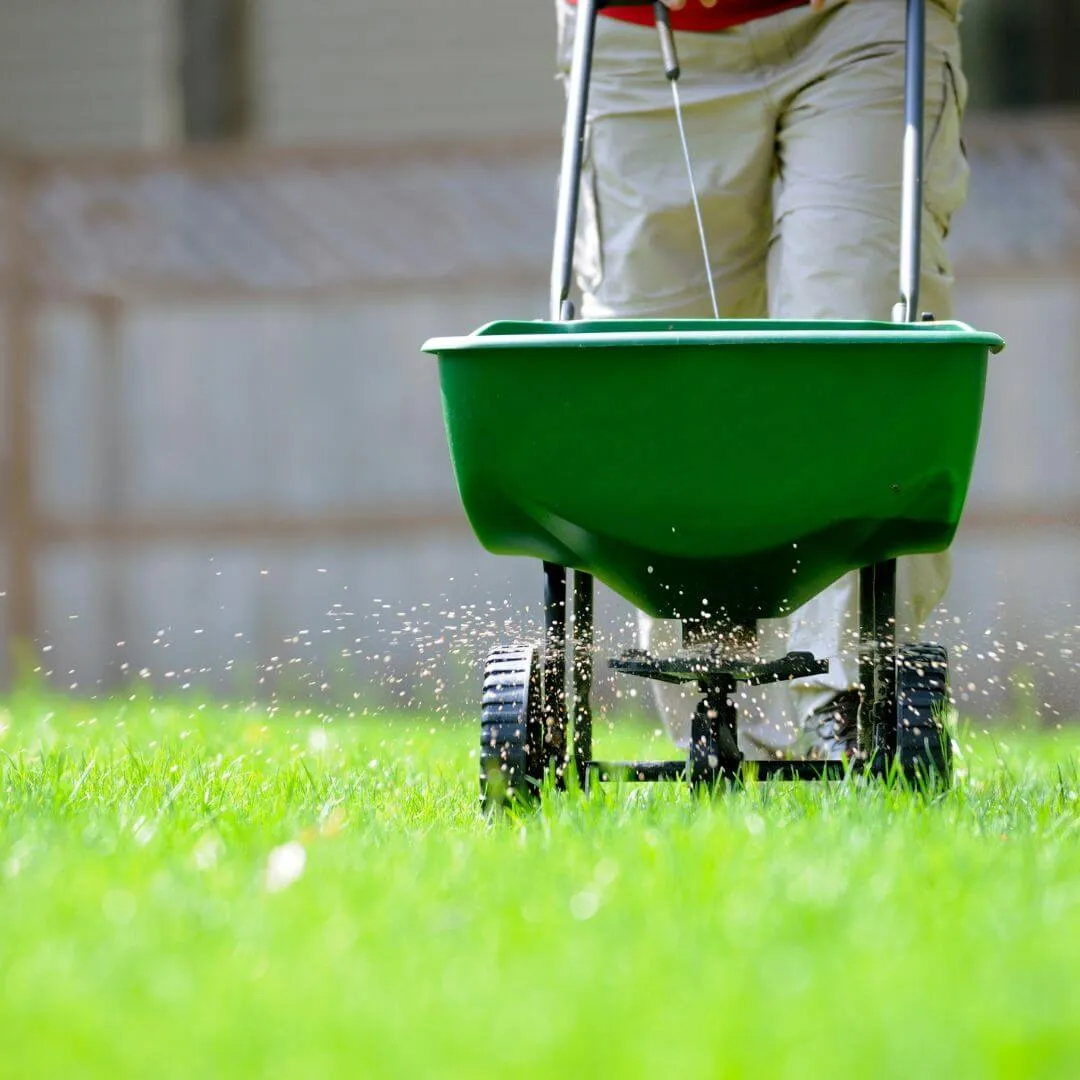
DeSoto Turf provides lawn and flower bed services in Horn Lake, MS, for these common concerns. Our services include weed control and fertilization, core lawn aeration, and flower bed pre-emergent treatments.

We look at where the problem appears and what may be contributing to it. The property may need one service or coordinated care for the lawn and planted beds.


Why Horn Lake Yards Need More Than One Treatment?

Horn Lake has warm, humid summers and enough seasonal rainfall to support active grass and weed growth. Periods of heavy rain may be followed by hotter, drier weather that further stresses the lawn.

Bermuda grass generally performs best in open areas with plenty of sunlight. Zoysia can form a dense surface but may struggle where compacted soil restricts its roots or heavy shade limits growth.

Flower beds create different conditions. Mulch helps retain moisture, while gaps between plants give weed seeds room to germinate.

No single treatment can address every issue across the property. Timing, grass type, sunlight, soil, drainage, and the weeds present all affect what the yard needs.

A PLAN FOR THE PROPERTY

How DeSoto Turf Plans the Work?

We begin with what you are seeing and where it appears. Then we match the service to the condition.

Tell Us What You Notice

Share the location and appearance of the concern. It may involve weeds, thin turf, hard soil, pale grass, or growth in the beds.

We Check the Conditions

We consider the grass, weeds, sunlight, soil surface, moisture, mulch, and season. These details help narrow down the issue.

We Recommend the Service

The property may need lawn treatments, aeration, flower bed pre-emergent, or a combination. We explain what each service does.

We Complete the Work

We apply treatments according to the service and seasonal schedule. Weather, soil moisture, grass growth, and weed activity may affect timing.

We Explain What Comes Next

After the visit, we provide the relevant watering, mowing, access, or flower bed guidance. We also explain what changes to expect.

CARE THROUGH THE SEASONS

What Changes Across the Eight-Treatment Program?

Warm-season grass moves through dormancy, spring green-up, active summer growth, and preparation for cooler weather. Weed activity changes during those stages too.

DeSoto Turf’s eight-treatment program follows the lawn through the year. Each visit focuses on what the grass and weeds need at that point in the season.

Lawn treatments cannot repair broken sprinklers, correct deep shade, or change poor drainage. Those conditions require separate attention when they are holding the lawn back.

Preventing Seasonal Weeds

Pre-emergent is applied before targeted weed seeds germinate. Proper timing helps reduce crabgrass, poa annua, and other annual weeds.

Treating Visible Growth

Post-emergent products address weeds already growing in the lawn. Nutsedge, dallisgrass, and Virginia buttonweed may require repeated treatment.

Feeding Active Turf

Fertilizer supports grass during active growth, while iron may improve its color. Match applications to the grass type and current conditions.

When Hard Ground Starts Holding the Lawn Back?

Soil compaction develops as people, pets, mowers, and other equipment repeatedly cross the lawn. Construction activity and years of regular use can add to the pressure.

As the ground becomes tighter, water and air have less room to move below the grass. Roots may remain shallow, and the lawn can recover slowly from heat or heavy use.

Core aeration opens the soil without removing the lawn. The small plugs left on the surface break down naturally.

  • Worn Paths and Busy Areas

    Ground near gates, walkways, driveways, and play spaces usually receives the most traffic. These areas may harden before the rest of the yard.

  • Water Running Over the Grass

    Compacted soil may shed irrigation or rainfall instead of absorbing it. Aeration can help when hard ground causes runoff.

  • Thin Grass in Open Areas

    Turf may remain thin even with enough sunlight and water when its roots are restricted. We check for other causes before recommending aeration.

    Mississippi State University Extension explains that aeration creates openings that allow air and water to penetrate the soil.

Why Flower Bed Weeds Keep Returning?

Removing visible weeds gives a flower bed an immediate cleanup. It does not remove every seed already in the soil or prevent more seeds from entering.

Wind, rainwater, mulch, birds, lawn equipment, and nearby weeds can all introduce new seed. Irrigation then provides enough moisture for it to grow.

Pre-emergent creates a treated layer near the soil surface. When applied before germination, it helps prevent targeted weeds from establishing.

  • Existing Weeds Must Go First

    Pre-emergent does not kill mature weeds. Remove current growth before the preventive treatment can do its job.

  • Mulch Needs Even Coverage

    Thin or displaced mulch exposes the soil. Refill open areas without piling mulch against plant stems or trunks.

  • Digging Breaks the Barrier

    Planting, edging, and raking can interrupt the treated layer. Disturb only the soil needed and replace displaced mulch afterward.

    A few weeds may still appear near plant bases and bed edges. Pulling them before they mature helps prevent the next round of seeds.

Where Rainwater Goes Matters to the Entire Yard?

Horn Lake receives enough rainfall for drainage and runoff to affect residential properties. The city describes stormwater drainage as an important local concern because Northwest Mississippi regularly receives substantial rain.

Water does not always soak into the ground where it lands. It may cross compacted grass, paved surfaces, slopes, and downspout discharge areas before reaching a lower section.

As runoff moves, it can carry soil, fertilizer, herbicides, grass clippings, weed seeds, and mulch. Those materials may collect in flower beds or near drainage openings.

  • Keep Clippings Out of Gutters

    Grass clippings and yard debris can block stormwater flow. Bag or compost them instead of blowing them into streets and gutters.

  • Watch Low Sections

    A low area may remain wet long after the rest of the lawn dries. Extra watering can make the condition worse without helping nearby grass.

  • Check Downspout Discharge

    Downspouts may send too much water into one section. Redirecting the flow can reduce erosion, standing water, and displaced mulch.

    The City of Horn Lake provides local drainage guidance through its Planning and Development Department.

WATER THE AREA THAT NEEDS IT

Check Coverage Before Increasing Irrigation

A brown patch does not automatically mean the entire lawn needs more water. A sprinkler may be blocked, damaged, or aimed away from the affected area.

At the same time, another section may remain wet because it receives runoff or has a leaking irrigation line. Increasing every zone can waste water and increase weed pressure.

Watch the system while it runs. Check where the water lands and how quickly it enters the soil.

Look for Sharp Dry Lines

A narrow strip or clearly defined patch often points to a coverage problem. Longer watering will not help if the water is landing elsewhere.

Use Shorter Watering Cycles

Hard or sloped ground may absorb water better through shorter cycles. This gives moisture time to enter before you apply more.

Avoid Constantly Wet Beds

Frequent irrigation may encourage weeds and keep plant roots too wet. Water according to the plants, soil moisture, and recent rainfall.

Regional temperature and rainfall information is available from the National Weather Service in Memphis.

PROGRESS YOU CAN SEE

What Improvement Should Look Like?

Each service works differently, so signs of progress will vary across the property.

Mississippi State University Extension notes that healthy grass, proper mowing, suitable fertilization, and appropriate watering all contribute to better lawn weed control.

Lawn Treatments

Scheduled applications can reduce targeted weeds and support turf growth. Weather, mowing, irrigation, and existing grass coverage affect the results.

Core Aeration

Aeration opens compacted soil and supports the root zone. Changes begin beneath the surface before they become noticeable above it.

Flower Bed Treatments

Weed removal provides a visible cleanup, while pre-emergent helps limit new growth. Occasional hand pulling may still be needed.

CARE BETWEEN VISITS

What the Yard Needs After Treatment?

Aftercare depends on the work completed. Follow the instructions provided for that particular visit.

After Lawn Treatment

Keep children and pets away until the application has dried. Follow the watering and mowing guidance so the treatment has time to work.

After Core Aeration

Leave the soil plugs on the lawn to break down naturally. Avoid heavy use while the ground remains soft.

After Flower Bed Treatment

Limit digging and raking in treated beds. Keep mulch evenly spread, and remove weeds as they appear before they mature.

Lawn and Flower Bed Care Near Horn Lake

DeSoto Turf serves properties across North Mississippi and the greater Memphis area. We confirm availability using the property address.

HORN LAKE QUESTIONS

Questions From Horn Lake Property Owners

Here are answers to common questions about our local lawn and flower bed services.

Get the Right Care for Your Horn Lake Property

Tell DeSoto Turf what is affecting your lawn or flower beds. Include the property address, where the problem appears, and any recent changes you have noticed.

We will determine whether weed control and fertilization, core aeration, flower bed treatment, or a combination of services fits the property.

No diagnosis is required before getting in touch. A clear description of what you see gives us a practical starting point.