EUDORA PROPERTY CARE

Lawn and Flower Bed Services in Eudora, MS

Open sections of a yard can dry quickly during summer, while lower ground may stay wet after rain. Weeds move into weak turf, and flower beds can fill with new growth after you remove the visible weeds.

DeSoto Turf provides lawn and flower bed services in Eudora, MS, including weed control and fertilization, core lawn aeration, and flower bed pre-emergent treatments.

We look at the problem where it appears and consider the surrounding conditions. The property may need one service or combined care for the lawn and planted beds.


Why Eudora Yards Need Care Throughout the Year?

Eudora has long periods of warm weather, high summer temperatures, and rainfall that can change quickly. A dry stretch may follow several wet weeks.

Bermuda grass performs well in sunny areas and grows quickly when conditions are right. Zoysia grows more slowly but can create a dense lawn with suitable light, water, and nutrition.

Flower beds hold moisture differently from open turf. Mulch, plant spacing, irrigation, and soil disturbance all affect where weeds begin growing.

A spring application cannot cover every seasonal change. Lawn and flower bed care must follow the property year-round.

FROM THE TROUBLE SPOT TO THE RIGHT SERVICE

How DeSoto Turf Approaches the Property?

We begin with what you are seeing and where it appears. Then we match the service to the conditions.

Tell Us What You Notice

Share the location and appearance of the concern. It may involve weeds, thin grass, hard soil, dry areas, or growth in flower beds.

We Check the Conditions

We consider the grass, weeds, sunlight, soil surface, moisture, mulch, and season. These details help narrow down the issue.

We Recommend the Service

The property may need lawn treatments, aeration, flower bed pre-emergent, or a combination. We explain what each service does.

We Complete the Work

We apply treatments according to the service and seasonal schedule. Weather, soil moisture, turf growth, and weed activity may affect timing.

We Explain What Comes Next

After the visit, we provide the relevant watering, mowing, access, or flower bed guidance. We also explain what changes to expect.

THE PROGRAM CHANGES WITH THE LAWN

What Happens Across Eight Scheduled Treatments?

Warm-season grass moves through dormancy, spring green-up, active summer growth, and preparation for cooler weather. Weed activity changes during those stages.

DeSoto Turf’s eight-treatment program follows that cycle. Each visit focuses on what the lawn needs at that point in the year.

Lawn treatment cannot repair irrigation equipment, provide missing sunlight, or correct poor drainage. Those conditions need separate attention.

Before Seasonal Weeds Appear

Pre-emergent is applied before targeted weed seeds germinate. Proper timing helps reduce crabgrass, poa annua, and other annual weeds.

When Weeds Are Already Growing

Post-emergent products address active growth. Nutsedge, dallisgrass, and Virginia buttonweed may require repeated treatment.

During Active Grass Growth

Fertilizer supports the turf, while iron may improve color. Match the application to the grass type and current conditions.

When the Lawn Needs Core Aeration?

Foot traffic, mowers, pets, vehicles, and other equipment gradually press soil particles together. Wet soil may compact faster when it is repeatedly crossed.

As the ground tightens, water and air have less room to move. Grass roots may remain shallow, leaving the turf less able to handle summer stress.

Core aeration opens the root zone by removing small soil plugs. The plugs remain on the lawn and break down naturally.

  • Busy Areas Compact First

    Ground near gates, driveways, walkways, and outdoor gathering areas often receives the most pressure. These sections may become thin sooner.

  • Water May Stay Above the Roots

    Compacted ground can absorb water slowly. Aeration may help when irrigation or rainfall is moving across the surface.

  • Turf May Struggle in Dry Weather

    Shallow roots leave grass more vulnerable when rainfall slows. Opening the root zone can support better access to moisture.

    Mississippi State University Extension explains how soil compaction affects plant roots and water movement.

How Pre-Emergent Slows the Next Round of Weeds

Pulling weeds removes visible growth but leaves other seeds in the soil. More seeds may arrive through wind, runoff, mulch, birds, and equipment.

Pre-emergent creates a treated layer near the soil surface. When applied before germination, it helps prevent targeted weeds from becoming established.

You still need to remove existing weeds. The treatment will not kill mature growth or stop every weed.

  • Keep Mulch Even

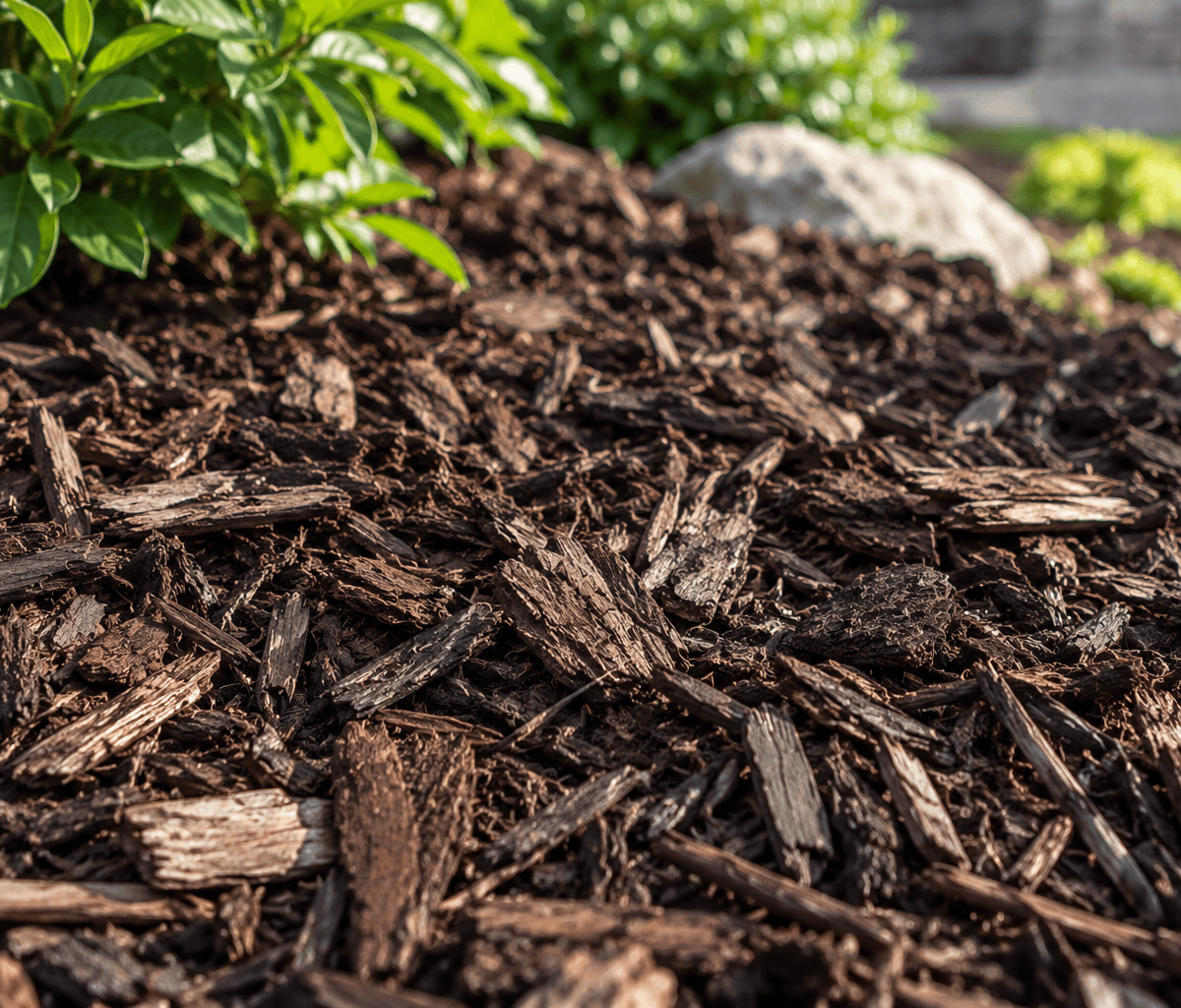
    Mulch covers exposed soil and helps retain moisture around plants. Replace material that has shifted, thinned, or washed away.

  • Limit Soil Disturbance

    Planting, edging, and raking can break the treated layer. Disturb only the soil needed and replace displaced mulch afterward.

  • Pull New Weeds Early

    Some weeds may still appear near borders and plant bases. Removing them before they flower reduces the next seed supply.

How Sun and Wind Affect Lawn Moisture?

Open, sunny lawn areas can lose moisture quickly during hot weather. Wind adds to that drying, especially where trees or structures provide little shelter.

The top layer of soil may look dry even when moisture remains below it. Watering based only on the surface can lead to unnecessary irrigation.

The grass itself can provide useful clues. Leaf folding, a dull color, and footprints that remain visible may indicate the lawn is becoming dry.

  • Check Below the Surface

    Test the soil before running the irrigation system. The root zone matters more than the top layer\’s appearance.

  • Water Early in the Day

    Morning watering gives moisture time to enter the soil and allows the grass blades to dry. Wet foliage left overnight can increase disease pressure.

  • Avoid Light Daily Watering

    Small daily amounts may keep roots near the surface. Deeper, less frequent watering can encourage roots to grow farther into the soil.

    Mississippi State University Extension provides further information on preventing lawn dehydration.

WET AND DRY CAN EXIST SIDE BY SIDE

Do Not Use One Watering Time for Every Area

A sunny lawn may dry faster than a shaded flower bed. A slope can lose water while a low section collects runoff from the surrounding ground.

Using one schedule across every zone may leave some areas dry and others constantly wet. Check each section before increasing the run time.

Watch Where Sprinklers Land

Blocked, damaged, or poorly aimed sprinkler heads can leave gaps. Longer watering will not help when the water is landing elsewhere.

Stop When Runoff Begins

If water starts moving across the surface, pause the cycle. Give the ground time to absorb moisture before applying more.

Check Flower Beds Separately

Mulched beds may hold water longer than exposed grass. Water based on the plants and actual soil moisture.

Regional temperature and rainfall information is available through the National Weather Service Memphis climate normals.

Protect Soil, Mulch, and Treatments During Storms

Heavy rain may carry loose soil, mulch, fertilizer, herbicides, and weed seeds into lower sections or nearby drainage paths.

Vegetation and mulch help protect bare soil. Keeping yard debris away from drains also allows stormwater to move without carrying clippings and leaves downstream.

  • Cover Open Ground

    Thin turf and bare flower beds expose soil to direct rainfall. Grass, mulch, or suitable planting helps reduce erosion.

  • Keep Clippings Out of Runoff

    Do not blow lawn clippings or leaves into roads, ditches, or drainage paths. Retain or collect them on the property.

  • Address Repeated Washout

    Mulch that washes away after every storm may point to concentrated runoff. The water path may need correction before another layer is added.

    DeSoto County provides local information through its Stormwater Management program.

EXPECT RESULTS THAT FIT THE SERVICE

What Improvement Should Look Like?

Lawn treatment, aeration, and flower bed care work differently. Judge each service by its purpose.

Lawn Treatments

Scheduled applications can reduce targeted weeds and support turf growth. Weather, mowing, irrigation, and grass coverage affect the outcome.

Core Aeration

Aeration opens compacted soil and supports the root zone. Improvement begins beneath the surface before becoming easy to see.

Flower Bed Treatments

Weed removal provides an immediate cleanup, while pre-emergent helps reduce new growth. Occasional hand pulling may still be needed.

HELP THE WORK LAST

What to Do After Treatment?

Aftercare depends on the service completed. Follow the instructions provided for that particular visit.

After Lawn Treatment

Keep children and pets away until the application has dried. Follow the watering and mowing guidance so the treatment has time to work.

After Core Aeration

Leave the soil plugs on the lawn to break down naturally. Avoid heavy use while the ground remains soft.

After Flower Bed Treatment

Limit digging and raking in treated beds. Keep mulch evenly spread, and remove weeds occasionally before they mature.

Nearby Communities Served by DeSoto Turf

DeSoto Turf serves properties across North Mississippi and the greater Memphis area. We confirm availability using the property address.

EUDORA SERVICE QUESTIONS

Questions About Local Lawn and Bed Care

Here are answers to common questions about DeSoto Turf\'s services in Eudora.

Request Property Care in Eudora, MS

Tell DeSoto Turf what is affecting your lawn or flower beds. Include the property address, where the problem appears, and whether the area is dry, wet, sunny, or compacted.

We will determine whether weed control and fertilization, core aeration, flower bed treatment, or a combination of services fits the property.

No diagnosis is needed before getting in touch. A clear description of what you see gives us a useful place to begin.