OLIVE BRANCH YARD CARE

Lawn and Flower Bed Services in Olive Branch, MS

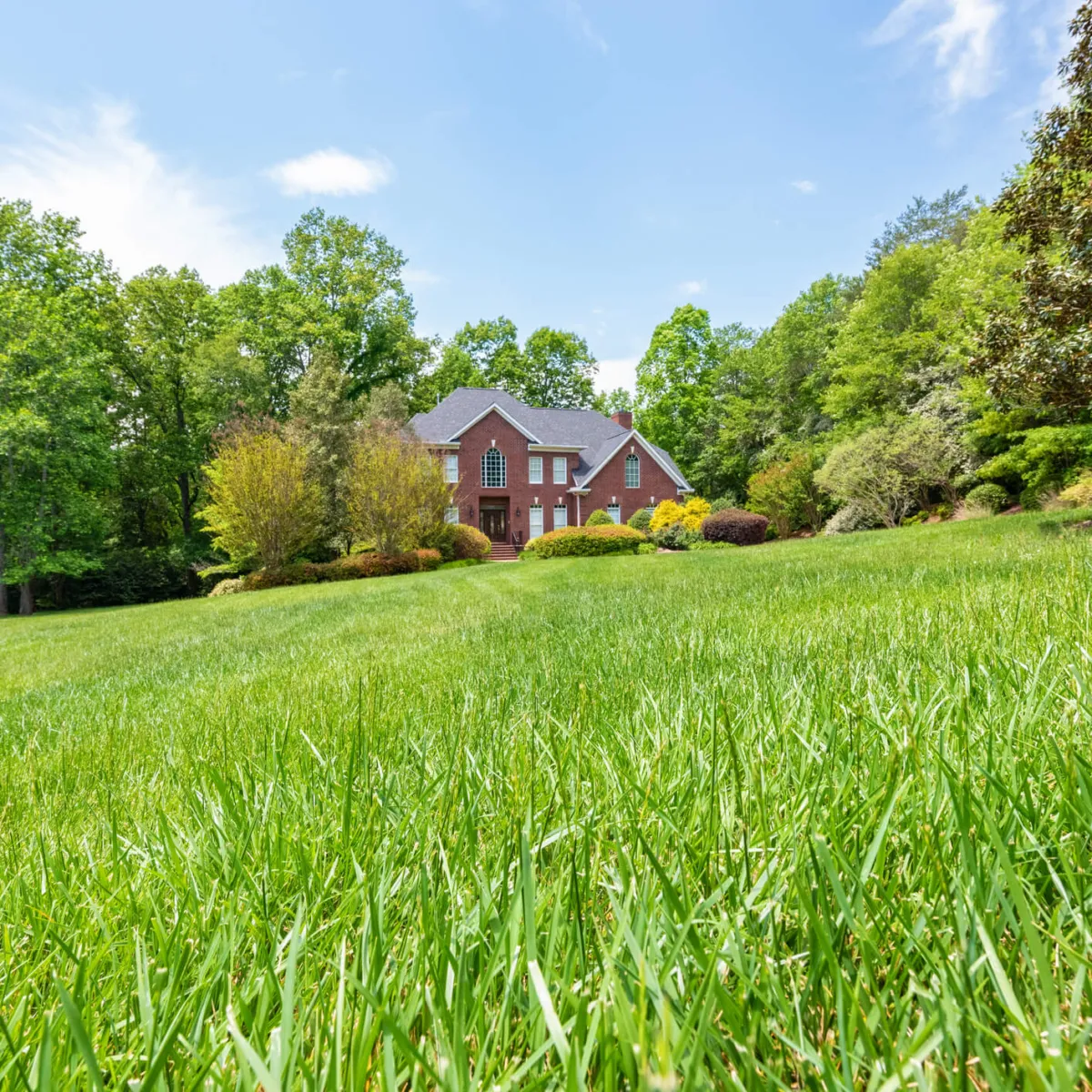
Weeds may be spreading through the grass while the ground feels too hard for water to soak in. At the same time, flower beds can fill with new growth only weeks after being cleared.

DeSoto Turf provides lawn and flower bed services in Olive Branch, MS, for these common property concerns. Our services include weed control and fertilization, core lawn aeration, and flower bed pre-emergent treatments.

Each part of the yard gets the service it needs. We can focus on the lawn, the planted beds, or both.


Why Olive Branch Properties Need Seasonal Care?

Olive Branch has warm, humid summers and rainfall that can vary throughout the growing season. These conditions support warm-season turf, but they also keep many weeds active.

Bermuda grass grows best in areas with plenty of sunlight. Zoysia can form thick turf when it receives suitable water, nutrition, and light. Both may become thin where soil is compacted, or trees block too much sun.

Flower beds create another growing environment. Mulch holds moisture, irrigation runs regularly, and open spaces between plants give weed seeds room to develop.

The treatment must match the season and the part of the property involved. Grass type, weed growth, soil, sunlight, and moisture all affect what you should do.

A PRACTICAL SERVICE PLAN

How DeSoto Turf Handles Your Property?

We begin with what you are seeing and where it appears. From there, we match the service to the condition.

Tell Us What You Notice

Share the location and what you notice. It may involve weeds, thin turf, pale grass, hard soil, or growth in the beds.

We Check the Conditions

We consider the grass, weeds, soil surface, sunlight, moisture, mulch, and season. These details help narrow down the cause.

We Recommend the Service

The property may need lawn treatments, aeration, flower bed pre-emergent, or a combination. We explain what each service does.

We Complete the Work

We apply treatments according to the service and seasonal schedule. Weather, soil moisture, turf growth, and weed activity may affect timing.

We Explain What Comes Next

After the visit, we provide the relevant watering, mowing, access, or flower bed guidance. We also explain what changes to expect.

SEASONAL LAWN SUPPORT

How the Eight-Treatment Lawn Program Works?

Lawn needs change as temperatures rise and fall. Warm-season grass moves through dormancy, spring green-up, active summer growth, and preparation for cooler weather.

The eight-treatment program follows those changes. An application may focus on preventing weeds, treating visible growth, feeding the turf, or improving color.

No treatment program can correct every property condition. Deep shade, low mowing, irrigation trouble, compacted soil, and poor drainage must be addressed when they weaken the grass.

Early Weed Prevention

Apply pre-emergent before targeted weed seeds germinate. Proper timing helps reduce crabgrass, poa annua, and other seasonal weeds.

Visible Weed Treatment

Post-emergent products address weeds already growing in the lawn. Nutsedge, dallisgrass, and Virginia buttonweed may need repeated treatment.

Turf Nutrition

Fertilizer supports the grass during active growth. Iron may improve lawn color without producing as much top growth as more fertilizer.

When an Olive Branch Lawn May Need Aeration?

Soil compaction happens gradually. Mowers, people, pets, outdoor projects, and construction equipment all press soil particles together.

Compacted ground leaves less room for water, air, and roots. The lawn may feel hard, dry unevenly, or recover slowly after heat and regular use.

Core aeration opens the soil without removing the lawn. The plugs left on the surface break down naturally over time.

  • High-Traffic Areas

    Ground near gates, driveways, patios, and play areas receives repeated pressure. These sections may compact before the rest of the lawn.

  • Water Staying on the Surface

    Water may collect or run away when the soil is too hard to absorb it. Aeration can help when compaction is causing the problem.

  • Grass That Recovers Slowly

    Thin turf in a sunny, properly watered area may have restricted roots. We check for other causes before recommending aeration.

How Flower Bed Treatment Reduces Weeds?

Removing existing weeds cleans up a flower bed, but it does not prevent new seeds from growing. Seeds may remain in the soil or arrive through wind, runoff, mulch, and nearby lawns.

Pre-emergent forms a treated layer near the soil surface. When applied before germination, it helps prevent targeted weeds from becoming established.

The service also includes removing current weed growth. Pre-emergent will not kill mature weeds, and it cannot block every type of plant.

  • Maintain the Mulch Layer

    Even mulch coverage helps protect bare soil. Fill thin or washed-out areas without piling material against plant stems.

  • Limit Digging and Raking

    Planting, edging, and soil disturbance can break the treated layer. Disturb only the section needed and replace displaced mulch afterward.

  • Remove New Weeds Early

    A few weeds may still appear near borders and plant bases. Pulling them before they flower prevents more seed from entering the bed.

How Runoff Affects Lawns and Flower Beds

Rainwater does not always soak into the ground where it lands. It may travel across driveways, patios, compacted lawns, and sloped sections before reaching a lower part of the property.

As it moves, runoff can carry sediment, weed seeds, fertilizer, herbicides, and displaced mulch. The City of Olive Branch explains that stormwater flows through drains to nearby waterways without treatment.

Watching how water crosses the yard can reveal problems that lawn or flower bed treatment cannot solve alone.

  • Runoff Can Expose Soil

    Fast-moving water may wash mulch from a bed and leave bare soil behind. Those exposed areas give new weeds a place to take hold.

  • Compacted Ground Sheds Water

    Hard soil may not absorb rainfall or irrigation quickly enough. Water then moves toward a low section instead of reaching the roots.

  • Yard Debris Can Block Drainage

    Leaves, grass clippings, and displaced mulch may collect near drains and curb openings. Keeping these areas clear allows water to follow its intended route.

    Olive Branch provides additional information through its Stormwater Management program, including ways to slow runoff and allow more water to soak into the ground.

WATER WITH A PURPOSE

Check the Yard Before Increasing Irrigation

A brown patch does not always mean the entire lawn needs more water. One sprinkler head may be blocked, damaged, or aimed away from the affected grass.

Another section may remain wet because it is low, receives runoff, or has an irrigation leak. Increasing every zone can make that problem worse.

Watch the system while it runs. Check where the water lands, how quickly it enters the ground, and which areas stay wet after the rest of the yard dries.

Look for Coverage Gaps

A dry strip or sharply defined brown area may point to a sprinkler problem. Longer watering will not help if the water is landing elsewhere.

Use Shorter Watering Cycles

Compacted or sloped areas may absorb water better with shorter cycles. This can reduce runoff while giving moisture time to enter.

Avoid Constantly Wet Beds

Frequent irrigation can keep flower bed soil wet and support weed growth. Water according to the plants and current soil moisture.

Regional temperature and rainfall information is available through the National Weather Service Memphis climate normals.

WHAT RESULTS LOOK LIKE

What Each Service Can Improve?

These services address different parts of the property and produce different results.

Mississippi State University Extension also provides practical information on weed control in lawns and core aeration.

Lawn Treatments

Scheduled applications can reduce targeted weeds and support turf growth. Progress depends on the grass, weeds, weather, mowing, and irrigation.

Core Aeration

Aeration creates openings in compacted soil and supports the root zone. Improvements begin below the surface and may not be immediately visible.

Flower Bed Treatments

Weed removal provides an immediate cleanup, while pre-emergent helps limit future growth. Occasional hand pulling may still be needed.

AFTER THE SERVICE

What to Do Following Treatment?

Aftercare depends on the work completed. Follow the instructions provided for that particular visit.

After Lawn Treatment

Keep children and pets away until the application has dried. Follow the watering and mowing guidance so the treatment has time to work.

After Core Aeration

Leave the soil plugs on the lawn to break down naturally. Avoid heavy traffic while the ground remains soft.

After Flower Bed Treatment

Limit digging and raking in treated beds. Keep mulch evenly spread, and remove weeds occasionally before they mature.

Other Communities We Serve

DeSoto Turf serves properties across North Mississippi and the greater Memphis area. We confirm availability using the property address.

OLIVE BRANCH QUESTIONS

Frequently Asked Questions

Here are answers to common questions about our Olive Branch lawn and flower bed services.

Request Property Care in Olive Branch, MS

Tell DeSoto Turf what is affecting your lawn or flower beds. Include the property address, where the problem appears, and any recent changes you have noticed.

We will determine whether weed control and fertilization, core aeration, flower bed treatment, or a combination of services fits the property.

No diagnosis is required before getting in touch. A clear description of what you see gives us a practical starting point.