BRIDGETOWN PROPERTY CARE

Lawn and Flower Bed Services in Bridgetown, MS

A lawn may have weeds in the sunny areas, thin grass near the trees, and hard ground around the driveway. Flower beds can develop their own weed problems even when you maintain the turf.

DeSoto Turf provides lawn and flower bed services in Bridgetown, MS, including weed control and fertilization, core lawn aeration, and flower bed pre-emergent treatments.

We address each problem where it appears. The property may need one service or coordinated care for the lawn and planted beds.


Why Bridgetown Yards Need Ongoing Attention?

Bridgetown has hot summers, regular humidity, and periods of heavy rain followed by drier weather. Grass, weeds, and flower bed plants respond differently as these conditions change.

Bermuda grass generally performs best in open areas with direct sun. Zoysia can form dense turf but may thin where soil is compacted, or shade becomes too heavy.

Flower beds often stay moist longer than exposed grass. Mulch, plant spacing, irrigation, and disturbed soil all affect where weeds appear.

A one-time application cannot cover every part of the growing season. Treatment must change as the lawn and weeds change.

FROM THE FIRST SIGN TO A CLEAR PLAN

How DeSoto Turf Approaches the Property?

We begin with what you are seeing and where it appears. Then we match the service to the conditions.

Tell Us What You Notice

Share the location and appearance of the concern. It may involve weeds, hard soil, thin grass, wet areas, or growth in flower beds.

We Check the Conditions

We consider the grass, weeds, sunlight, soil surface, moisture, mulch, and season. These details help narrow down the issue.

We Recommend the Service

The property may need lawn treatments, aeration, flower bed pre-emergent, or a combination. We explain what each service does.

We Complete the Work

We apply treatments according to the service and seasonal schedule. Weather, soil moisture, turf growth, and weed activity may affect timing.

We Explain What Comes Next

After the visit, we provide the relevant watering, mowing, access, or flower bed guidance. We also explain what changes to expect.

THE LAWN CHANGES WITH THE CALENDAR

What Happens During Eight Scheduled Treatments?

Warm-season grass moves through dormancy, spring green-up, active summer growth, and preparation for cooler weather. Weed activity changes during those stages too.

DeSoto Turf’s eight-treatment program follows that cycle. Each visit has a seasonal purpose rather than repeating the same application.


Before Weeds Begin Growing

Pre-emergent is applied before targeted weed seeds germinate. Proper timing helps reduce crabgrass, poa annua, and other annual weeds.

After Weeds Become Visible

Post-emergent products address active growth. Nutsedge, dallisgrass, and Virginia buttonweed may require repeated treatment.

While Grass Is Actively Growing

Fertilizer supports turf development, while iron may improve color. The application should suit the grass type and current conditions.

When Core Aeration Makes Sense

Soil becomes compacted when people, pets, mowers, vehicles, and other equipment repeatedly cross the same areas. Construction activity can also pack the ground tightly.

As compaction increases, water and air have less room to move. Roots remain shallow, and the turf may thin or recover slowly after stress.

Core aeration opens the root zone by removing small soil plugs. The plugs remain on the lawn and break down naturally.

  • High-Traffic Areas Wear First

    Ground near gates, walkways, driveways, and play areas usually receives the most pressure. These sections may feel firm and develop thin grass.

  • Water Can Stay on the Surface

    Hard soil may absorb water slowly. Aeration can help when compaction is causing puddling or runoff.

  • Turf Can Lose Density

    Grass may receive enough sunlight and water but still struggle when roots cannot spread. We check for other causes before recommending aeration.

    Mississippi State University Extension explains that soil compaction reduces pore space, making it harder for roots to receive water and oxygen.

Why Flower Bed Weeds Keep Coming Back?

Pulling weeds removes the visible plants but leaves other seeds in the soil. Wind, runoff, mulch, birds, and lawn equipment may introduce more.

Pre-emergent creates a treated layer near the soil surface. When applied before germination, it helps prevent targeted weed seeds from establishing.

You still need to remove existing weeds. Pre-emergent does not kill mature plants or prevent every type of growth.

  • Keep Mulch Even

    Mulch covers exposed soil and helps prevent weeds. Replace material that has washed away or moved from bed edges.

  • Limit Soil Disturbance

    Planting, edging, and raking can break the treated layer. Disturb only the section needed and replace displaced mulch afterward.

  • Pull New Weeds Early

    A few weeds may still appear near plant bases and borders. Removing them before they mature helps prevent additional seed.

NEW AND ESTABLISHED YARDS FAIL DIFFERENTLY

How Property Use Changes the Ground?

A newly developed yard may begin with compacted construction soil. An established property may develop hard areas after years of traffic, mowing, outdoor projects, and regular use.

The visible result can look similar. Grass becomes thin, water moves across the surface, and weeds fill the open areas.

Understanding how the section is used helps identify what is happening below the grass.

Construction Can Leave Packed Soil

Heavy equipment may compress the ground around a home before installing turf. The lawn can struggle even when the surface appears level.

Repeated Traffic Creates Paths

Walking routes, parking edges, pets, and play areas place pressure on the same ground. These sections may need aeration before the rest of the lawn.

Wet Soil Compacts Easily

Driving or using heavy equipment on wet turf can compact the soil. Waiting until the ground is firm helps limit further damage.

Shade Changes as Trees Grow

A lawn installed in full sun may become shaded over time. Fertilizer cannot correct a shortage of sunlight.

Mississippi State University Extension notes that compaction affects both new home sites and existing landscapes.

Keep Soil, Mulch, and Treatments on the Property

Rainwater can move fertilizer, herbicides, loose soil, grass clippings, and mulch toward lower ground or storm drains. Hard surfaces and compacted soil increase runoff.

DeSoto County explains that stormwater flows through drainage systems to local waterways without receiving the same treatment as household wastewater.

Small maintenance choices can help keep water moving without washing away yard materials.

  • Cover Bare Soil

    Thin turf and open flower beds leave soil exposed. Grass, mulch, or suitable planting helps reduce erosion during heavy rain.

  • Keep Clippings Out of Drains

    Do not blow grass clippings, leaves, or other yard waste into streets and drainage paths. Collect or retain them on the property.

  • Stop Irrigation When Runoff Starts

    Long watering cycles may exceed what the soil can absorb. Pause the system and allow moisture to enter before applying more.

    Local information is available through the DeSoto County Stormwater Management program.

CHECK THE PATTERN BEFORE ADDING WATER

A Dry Patch May Not Be an Irrigation Problem

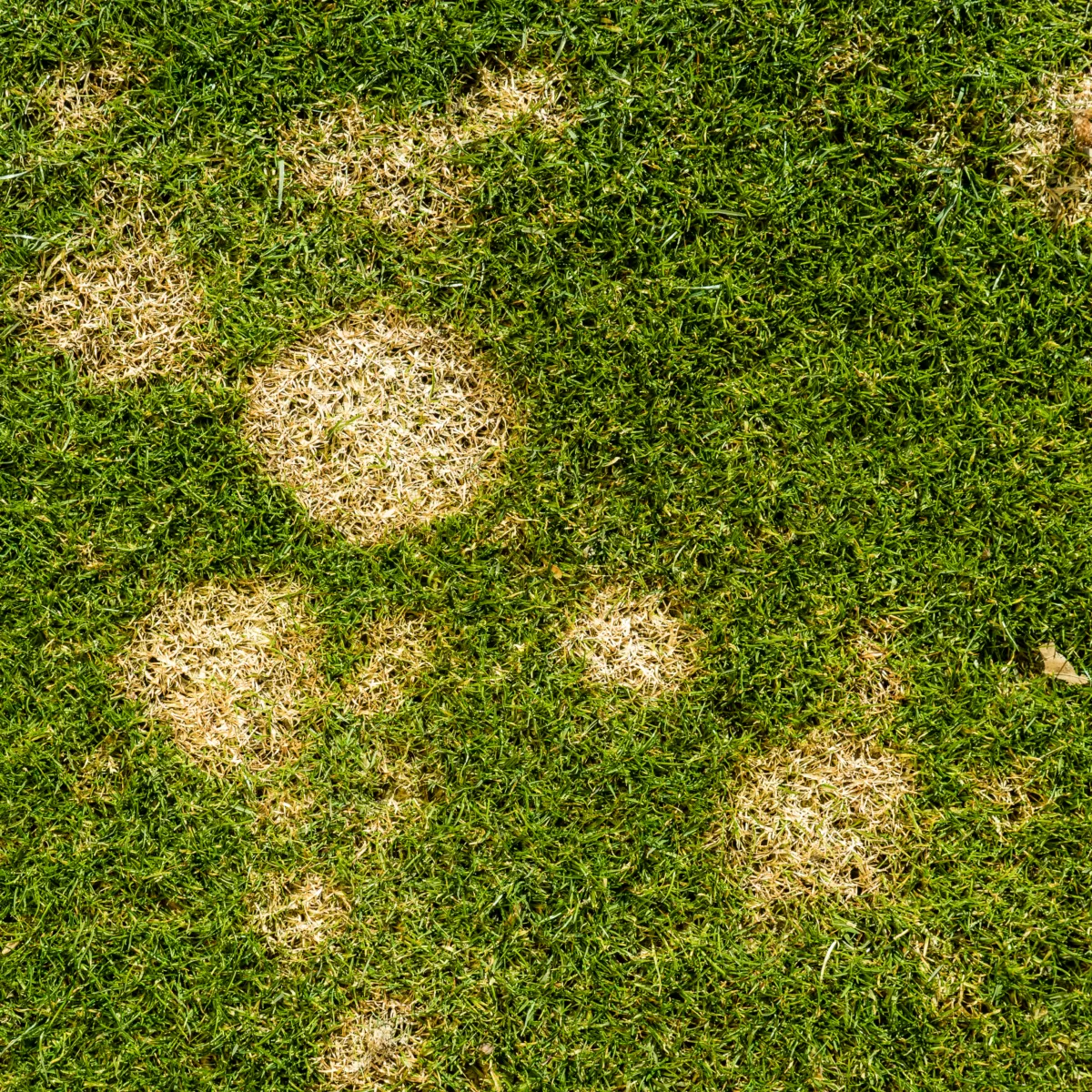
Brown grass can result from low moisture, but it may also point to compaction, heavy shade, mowing damage, or a sprinkler coverage gap.

Increasing every irrigation zone may soak healthy sections without helping the damaged area. Watch the system and check the soil first.

Look for Sharp Edges

A narrow strip or clearly defined dry patch may point to a blocked or poorly aimed sprinkler head.

Check the Soil Below

The surface may look dry while moisture remains beneath it. Check before extending the watering schedule.

Water Beds Separately

Flower beds do not always need the same schedule as turf. Constant moisture may encourage weeds and stress certain plants.

Regional rainfall and temperature patterns are available through the National Weather Service Memphis climate normals.

LOOK FOR PROGRESS THAT MATCHES THE SERVICE

What Each Treatment Can Improve?

Lawn treatments, aeration, and flower bed care work in different ways. Measure results based on the service completed.

Lawn Treatments

Scheduled applications can reduce targeted weeds and support grass growth. Mowing, irrigation, sunlight, and turf coverage affect progress.

Core Aeration

Aeration opens compacted soil and supports the root zone. Improvement begins beneath the surface before becoming easy to see.

Flower Bed Treatments

Weed removal provides an immediate cleanup, while pre-emergent helps reduce new growth. Occasional hand pulling may still be needed.

PROTECT THE WORK BETWEEN VISITS

What to Do After Treatment?

Aftercare depends on the service completed. Follow the instructions provided for that particular visit.

After Lawn Treatment

Keep children and pets away until the application has dried. Follow the watering and mowing guidance so the treatment has time to work.

After Core Aeration

Leave the soil plugs on the lawn to break down naturally. Avoid heavy use while the ground remains soft.

After Flower Bed Treatment

Limit digging and raking in treated beds. Keep mulch evenly spread, and remove weeds occasionally before they mature.

Nearby Communities Served by DeSoto Turf

DeSoto Turf serves properties across North Mississippi and the greater Memphis area. We confirm availability using the property address.

BRIDGETOWN SERVICE QUESTIONS

Questions About Local Lawn and Bed Care

Here are answers to common questions about DeSoto Turf’s services in Bridgetown.

Request Property Care in Bridgetown, MS

Tell DeSoto Turf what is affecting your lawn or flower beds. Include the property address, where the problem appears, and whether the area is wet, dry, shaded, or compacted.

We will determine whether weed control and fertilization, core aeration, flower bed treatment, or a combination of services fits the property.

No diagnosis is needed before getting in touch. A clear description of what you see gives us a useful place to begin.