COLLIERVILLE YARD CARE
A lawn may look thin even after watering. Weeds may return in the same places, while flower beds fill with new growth soon after clearing. These problems often have different causes and need different services.
DeSoto Turf provides lawn and flower bed services in Collierville, TN, including weed control and fertilization, core lawn aeration, and flower bed pre-emergent treatments.
We look at where the problem appears, what may be contributing to it, and which service fits. Care can focus on the lawn, the beds, or both.

A PRACTICAL SERVICE PLAN
We begin with the issue you have noticed. Then we look at the surrounding conditions before recommending a service.
Share where the problem appears and what it looks like. It may involve weeds, pale grass, hard soil, thin turf, or growth in flower beds.
We consider the grass type, weeds, soil surface, sunlight, moisture, mulch, and season. These details help narrow down the cause.
The property may need lawn treatments, core aeration, flower bed pre-emergent, or a combination. We explain the purpose of each recommendation.
Applications follow the service and seasonal schedule. Weather, soil moisture, grass growth, and weed activity may affect timing.
After the visit, we provide the relevant watering, mowing, access, or flower bed guidance. We also explain what changes to expect.
DeSoto Turf provides three services for lawns and planted beds. Each has a clear role in caring for the property.
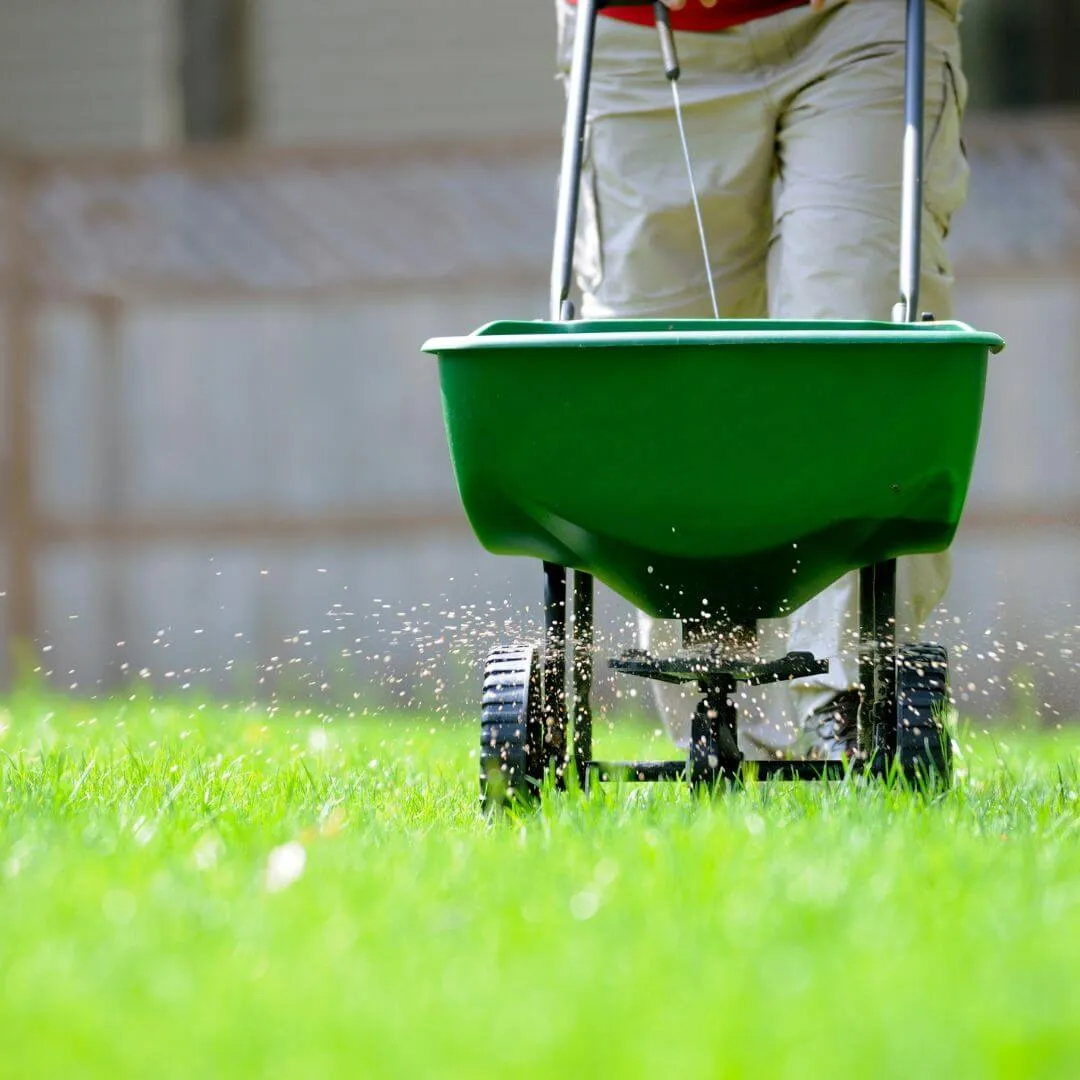
Our eight-treatment lawn program combines seasonal fertilization with pre-emergent and post-emergent weed control. Applications change as the grass and weeds move through the year.
Core aeration removes small plugs from compacted lawn areas. These openings help air and water reach the soil and give grass roots more room.
This service combines removing visible weeds with scheduled pre-emergent treatment. It helps reduce new growth in mulched and planted beds.
TREATMENTS THROUGH THE YEAR
Warm-season lawn needs change as temperatures rise and fall. A treatment that fits active summer turf may not suit grass that is entering or leaving dormancy.
The lawn program follows those changes. Weed prevention, visible weed treatment, fertilizer, and iron are used when they fit the grass and season.
Treatment cannot correct deep shade, poor irrigation coverage, low mowing, or drainage trouble. Address those conditions if they continue weakening the turf.
We apply pre-emergent before targeted weed seeds germinate. Timing helps reduce seasonal weeds before they become established in the lawn.
Post-emergent products address weeds already growing. Nutsedge, dallisgrass, and Virginia buttonweed may require more than one treatment.
Fertilizer supports active turf growth, while iron may improve color. Applications are timed to help the grass without forcing unnecessary growth.
Soil compaction often develops gradually. Mowers, foot traffic, pets, outdoor projects, and regular use press soil particles together.
As the soil tightens, water may stay on the surface or run into lower sections. Grass roots have less space, and the lawn may recover slowly after heat or heavy use.
Core aeration opens the soil without removing the existing turf. The plugs left on the lawn break down naturally.
Ground near gates, sidewalks, patios, driveways, and play spaces usually receives the most traffic. These sections may become hard before the rest of the lawn.
Water may run over tightly packed soil instead of moving toward the roots. Aeration can help when compaction is the cause.
Grass with enough sunlight and irrigation may still struggle when roots cannot spread. We check for other causes before recommending aeration.
Clearing existing weeds gives a bed an immediate cleanup, but it doesn\’t address seeds waiting in the soil. New seeds may also arrive through wind, runoff, mulch, and nearby lawns.
Pre-emergent forms a treated layer near the soil surface. When applied before germination, it helps stop certain seeds from developing.
The treatment will not kill mature weeds or prevent every new plant. Remove existing weeds, and keep treated soil as undisturbed as possible.
An even mulch layer covers bare ground and helps prevent weeds. Fill thin areas without piling mulch against stems and trunks.
Planting, edging, and digging can interrupt the pre-emergent layer. Limit the disturbed area and replace displaced mulch afterward.
Some weeds may still appear near plant bases and bed edges. Removing them before they flower prevents more seed from entering the bed.
A yard does not keep the same growing conditions forever. Trees get larger, pools and sheds are added, flower beds expand, and outdoor spaces receive more traffic.
The Town of Collierville notes that fences, pools, flower beds, sheds, and maturing vegetation can alter drainage patterns. These changes may affect the lawn and neighboring properties.
A treatment plan should account for the property as it is now, not how it looked when the grass was installed.
Growing tree canopies reduce sunlight and increase competition for moisture. Grass that once grew well may begin thinning beneath mature branches.
Patios, walkways, sheds, and expanded beds can change where rainwater travels. A formerly dry section may begin collecting runoff.
Outdoor seating, play areas, and regular walking routes place pressure on the same ground. These sections may benefit from aeration when compaction develops.
Collierville property owners can find local guidance on runoff and changing drainage patterns through the town\’s Stormwater Program.
WATER NEEDS A CLEAR PATH
A dry-looking patch does not always mean the entire lawn needs longer irrigation. One sprinkler head may be blocked, or compacted soil may prevent water from entering the ground.
At the same time, a low section can remain wet after the surrounding lawn dries. Increasing every sprinkler zone may make that area worse.
Watch the system run and check the ground afterward. Water location and movement often reveal more than total watering time.
A damaged or poorly aimed head can leave a strip of dry grass. Longer run times will not correct water that is landing elsewhere.
Water moving across the lawn may indicate compacted soil, a steep slope, or an irrigation rate that is too fast for the ground.
Concentrated runoff can carry mulch and weed seeds into lower flower beds. Correct the water path before repeatedly replacing displaced material.
Regional rainfall and temperature patterns are available through the National Weather Service Memphis climate normals. The University of Tennessee Institute of Agriculture also provides lawn guidance.
AFTER THE SERVICE
Aftercare depends on the work completed. Follow the instructions provided for that particular visit.
Keep children and pets away until the application has dried. Follow the watering and mowing guidance so the treatment has time to work.
Leave the soil plugs on the lawn to break down naturally. Avoid heavy use while the ground is still soft.
Limit digging and raking in treated beds. Keep mulch evenly spread and remove occasional weeds before they mature.
DeSoto Turf serves properties across North Mississippi and the greater Memphis area. Availability is confirmed using the property address.
COLLIERVILLE QUESTIONS
Here are answers to common questions about our Collierville lawn and flower bed services.
Tell DeSoto Turf what is affecting your lawn or flower beds. Include the property address, where the problem appears, and any recent changes to the yard.
We will determine whether weed control and fertilization, core aeration, flower bed treatment, or a combination of services fits the property.
No diagnosis is required before getting in touch. A clear description of what you see gives us a practical place to begin.