LOCAL FLEA AND TICK CONTROL IN HERNANDO

Flea and Tick Control Services in Hernando, MS

DeSoto Turf provides flea and tick control services in Hernando, MS, through our 6-Treatment Insect Program. The program includes six scheduled applications targeting fleas, ticks, and ants in the grass. Treatments are typically coordinated with the middle six visits of our eight-treatment lawn care program. 

Fleas and ticks can be difficult to notice until they become a recurring problem. Fleas may be present where pets rest or spend time, while ticks can wait in vegetation for a passing animal or person.

Our service pros inspect the property, identify areas where pest activity is likely, and recommend outdoor treatments based on the conditions found.

We also explain how mowing, vegetation management, pet care, and wildlife activity can affect flea and tick populations. Outdoor treatment can reduce pest activity, but it works best when the conditions supporting these pests are addressed.
Why Are Fleas and Ticks a Concern in Hernando?

Hernando’s warm, humid growing season provides conditions that can support flea and tick activity.

These pests do not behave the same way.

Fleas depend on animal hosts for blood meals and can develop in places where infested animals spend time. Ticks are commonly associated with vegetation, leaf litter, wildlife movement, and other sheltered outdoor environments.

Pets can bring fleas and ticks into contact with the home, but animals are not the only concern. People can also encounter ticks while walking through grass, working in landscaped areas, or spending time near wooded property edges.

A regularly maintained lawn can still have flea or tick activity.

Wildlife, neighboring vegetation, shaded ground, and outdoor resting areas can all influence where these pests are found.

Our service pros look at the property conditions before deciding where treatment may be appropriate.

IDENTIFYING FLEAS AND TICKS

What Is the Difference Between Fleas and Ticks?

Fleas and ticks both feed on blood, but they belong to different groups and have different life cycles.

Understanding the difference helps us identify where treatment should be directed.

Flea Control

Fleas are small, wingless insects that can jump between surfaces and onto animal hosts.

Adult fleas commonly feed on dogs, cats, and other mammals.

Eggs can fall from an infested animal into bedding, carpets, soil, and places where the animal rests.

Outdoors, flea development is more likely in protected locations with suitable moisture and temperatures.

Shaded areas beneath decks, pet resting spots, and sheltered ground may provide favorable conditions.

Our service pros look at where pets and wildlife spend time before recommending outdoor flea treatment.

Tick Control

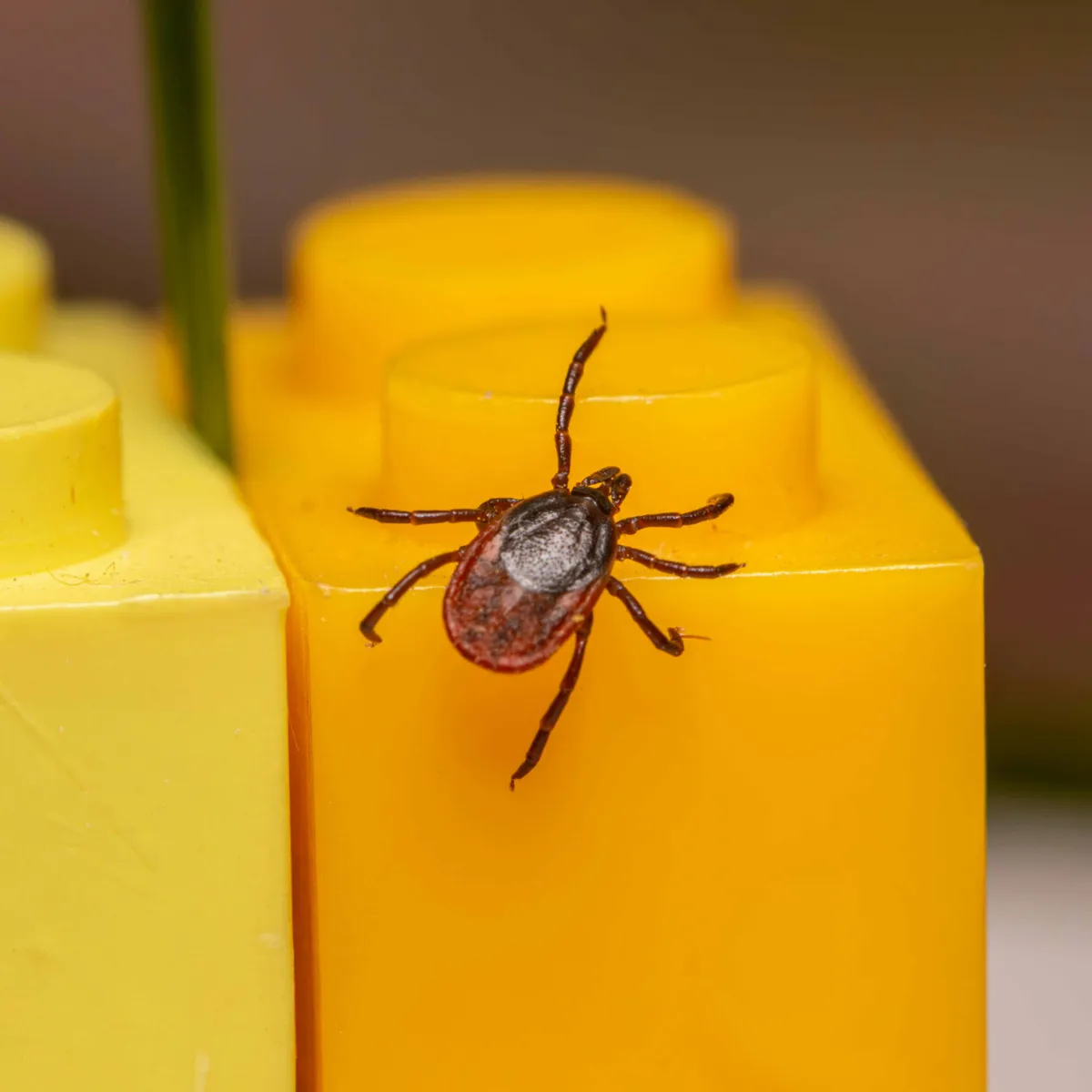
Ticks are arachnids that attach to animals or people to feed.

They do not jump or fly.

Instead, many ticks wait on vegetation or near ground level and attach when a suitable host passes.

Ticks may be found along wooded edges, brush, leaf litter, and areas where wildlife travels.

Our service pros pay particular attention to these environments during an outdoor inspection.

Brown Dog Tick Activity

Brown dog ticks are closely associated with dogs and can sometimes establish populations in kennels or buildings.

They differ from many other ticks because their life cycle can continue in protected indoor environments.

If brown dog ticks are suspected, identifying the species and examining pet resting areas are important.

Outdoor treatment alone may not address an established indoor infestation.

Lone Star Tick Activity

Lone star ticks occur in Mississippi and may be encountered in wooded, brushy, and grassy habitats.

They feed on wildlife and other hosts, including people.

These ticks can be active during warmer parts of the year.

Managing vegetation and reducing exposure in frequently used outdoor areas can help lower the chance of encounters.

American Dog Tick Activity

American dog ticks are another species found in Mississippi.

They may occur in grassy areas, along trails, and in places used by wildlife or domestic animals.

Their activity changes with weather and season.

Our service pros consider likely tick habitats when evaluating the property.

BUILT FOR HERNANDO PROPERTIES

How Do We Approach Outdoor Flea and Tick Control?

Effective outdoor treatment starts with identifying where fleas or ticks are most likely to be active.

Treating an entire property without considering pest habitat may overlook the areas that matter most.

Our 6-Treatment Insect Program provides a consistent schedule for managing fleas and ticks in the grass. Each application targets fleas, ticks, and ants, with treatments typically performed alongside six regular lawn care visits. Applications are limited to the grass and do not extend to landscaped beds, shrubs, or wooded areas.


Inspect Pet Activity Areas

Pets may spend time beneath porches, near fences, beside kennels, or in shaded sections of the yard.

These areas can be important when evaluating outdoor flea activity.

We look for sheltered locations where fleas may develop.

Check Shaded and Protected Ground

Flea eggs and larvae are vulnerable to unfavorable environmental conditions.

Protected areas with suitable moisture are more likely to support their development than exposed, dry ground.

Our service pros consider shade, ground cover, and animal activity during the inspection.

Review Tick Habitats

Ticks are often associated with vegetation and places where host animals travel.

We inspect property edges, brush, leaf litter, and other suitable habitats.

Particular attention is given to areas where people and pets may encounter ticks.

Consider Wildlife Movement

Wildlife can carry fleas and ticks onto residential properties.

Deer, rodents, and other animals may move through yards or use sheltered spaces near buildings.

Outdoor pest treatment does not prevent wildlife from entering the property.

We explain how habitat management can help reduce favorable conditions.

Select Appropriate Treatment Areas

We choose products labeled for the target pests and intended outdoor application sites.

Treatment locations depend on the pest, property conditions, and label directions.

Our goal is to address relevant activity without unnecessary applications.

THE FLEA AND TICK CONTROL PROCESS

What Happens During a Flea and Tick Control Visit?

Flea and tick control is provided through our six-application insect program. Rather than relying on a single treatment, our service pros apply insect control products to the grass during six scheduled visits, typically coordinated with the second through seventh treatments of our eight-treatment lawn care program. The schedule helps manage ongoing flea and tick activity throughout the designated treatment period.

Discuss the Pest Problem

Our service pros begin by asking where fleas or ticks have been noticed.

You may have found ticks after spending time in the yard, noticed fleas around an outdoor pet area, or encountered repeated pest activity near landscaped spaces.

These details help identify where an inspection should begin.

Inspect the Property

We review the areas where people, pets, and wildlife commonly spend time.

For fleas, we consider sheltered ground, pet resting areas, and other suitable development sites.

For ticks, we look at vegetation, property boundaries, leaf litter, and likely animal travel routes.

Identify the Pest and Risk Areas

Flea and tick activity requires different approaches.

We consider the pest involved, the conditions supporting it, and whether outdoor treatment is appropriate.

If the problem appears to involve an indoor infestation or an untreated pet, we explain why additional measures may be necessary.

Select the Treatment

Our service pros choose a product labeled for the target pest and treatment area.

Application requirements vary by product.

We consider weather, vegetation, and the areas used by children and pets before proceeding.

Apply Treatment to Appropriate Areas

Treatment is directed toward the locations identified during the inspection.

Depending on the product and pest, this may include suitable lawn or landscaped areas where activity is likely.

We follow label directions for application rates, site restrictions, and environmental precautions.

Explain Aftercare and Prevention

After the application, we explain when treated areas can be used again and whether any watering or maintenance restrictions apply.

We also discuss mowing, vegetation management, and the importance of veterinarian-recommended flea and tick prevention for pets.

AFTER YOUR FLEA AND TICK TREATMENT

What Should You Do After We Treat Your Yard?

Aftercare depends on the product used and the areas treated.

Some applications require treated vegetation to dry before people or pets return. Other products may have additional restrictions.

Our service pros provide instructions for the specific treatment.

In general:

  • Keep children and pets away from treated areas for the period required by the product label.
  • Follow any watering or mowing restrictions.
  • Avoid disturbing treated vegetation until permitted.
  • Keep pet bedding and resting areas clean.
  • Continue veterinarian-recommended flea and tick prevention.
  • Remove excessive leaf litter from frequently used spaces.
  • Keep grass at an appropriate mowing height.
  • Trim dense vegetation near play areas and walkways.
  • Check pets for ticks after outdoor activity.

Outdoor flea and tick control should not be treated as a substitute for veterinary care.

If pets have fleas, they may need appropriate treatment to prevent continued egg production and reinfestation.

The EPA provides general pesticide safety guidance for homeowners.

WHAT RESULTS LOOK LIKE

When Will Flea and Tick Control Start Working?

The timeline depends on the product, pest activity, and property conditions.

An outdoor treatment may begin reducing susceptible fleas or ticks after they contact treated areas.

However, not every pest will be exposed at the same time.

Flea eggs, larvae, pupae, and adults occupy different stages of development. Some immature stages may remain protected until they develop further.

Ticks can also arrive on wildlife or other animals after an application.

For these reasons, treatment should not be expected to eliminate every flea or tick immediately or permanently.

Our service pros explain what the application is intended to accomplish and when continued activity should be reassessed.

If fleas are also present indoors or on pets, those sources must be addressed to reduce the chance of reinfestation.

HERNANDO WEATHER AND OUTDOOR CONDITIONS

How Do Local Conditions Affect Flea and Tick Activity?

Hernando’s warm weather, seasonal humidity, and residential landscaping can create suitable environments for fleas and ticks.

However, their preferred habitats differ.

Flea development generally requires conditions that protect immature stages from excessive heat and drying.

Shaded pet resting areas, protected soil, and spaces used by infested animals may support flea populations.

Ticks are more closely associated with suitable vegetation, wildlife hosts, and protected ground cover.

Property boundaries beside wooded areas or unmanaged vegetation may present different conditions from open, regularly mowed lawns.

Rainfall can influence moisture levels, while prolonged dry weather may change where pests remain active.

Hernando properties also vary in layout.

Some yards have open turf and limited vegetation. Others include wooded edges, thick shrubs, shaded patios, and drainage areas.

Our service pros consider these differences when identifying where treatment may be useful.

What Can Hernando Homeowners Do to Reduce Fleas and Ticks?

Outdoor pest control is more effective when the yard is maintained in ways that reduce favorable habitats.

You do not need to remove every plant or eliminate all shade.

Focus on the places where people and pets spend the most time.

  • Mow the lawn regularly during the growing season.
  • Trim tall grass around fences and walkways.
  • Remove excessive leaf litter.
  • Keep brush and dense vegetation away from frequently used areas.
  • Maintain clean outdoor pet resting spaces.
  • Wash pet bedding according to care instructions.
  • Discourage rodents by securing trash and removing accessible food.
  • Avoid leaving pet food outdoors overnight.
  • Check pets for ticks after outdoor activity.
  • Follow a veterinarian-recommended flea and tick prevention plan.

If your yard borders woods or dense vegetation, maintaining a clearly defined transition between the lawn and unmanaged areas may help reduce tick encounters.

For personal protection, the CDC recommends checking for ticks after spending time outdoors and removing attached ticks promptly.

You can review the CDC’s tick prevention guidance for additional information.

FLEA AND TICK PROBLEMS THAT NEED DIFFERENT APPROACHES

Why Is Outdoor Treatment Only Part of Pest Management?

Fleas Living on Pets

Adult fleas spend much of their time on animal hosts.

Treating the yard does not remove fleas already living on a dog or cat.

Veterinarian-recommended prevention and treatment are important parts of managing a flea problem.

Fleas Inside the Home

Flea eggs and immature stages may develop in carpets, furniture, bedding, and other protected indoor spaces.

Outdoor treatment alone will not resolve an established indoor infestation.

Indoor cleaning and appropriate pest management may also be necessary.

Ticks Along Wooded Property Edges

Ticks may be associated with leaf litter, vegetation, and wildlife movement.

Treatment may be directed toward suitable habitats where people and pets are likely to encounter them.

Vegetation management can help reduce exposure.

Ticks Carried by Wildlife

Wildlife can introduce ticks to a property even after treatment.

No outdoor application can prevent every animal from carrying ticks into the yard.

Habitat management and personal tick checks remain important.

Persistent Pest Activity

Continued flea or tick activity may indicate untreated animal hosts, protected development sites, or new pests entering the property.

Our service pros review the conditions before recommending additional treatment.

THE DESOTO TURF DIFFERENCE

Why Choose DeSoto Turf for Flea and Tick Control in Hernando?

DeSoto Turf is based in Hernando, and our service pros understand how local weather, landscaping, and outdoor activity can influence pest problems.

We approach flea and tick control by looking at the property rather than assuming every yard needs the same treatment.

The areas where fleas develop may differ from the places where ticks are encountered.

Our approach includes:

  • Reviewing reported flea and tick activity
  • Inspecting outdoor pet resting areas
  • Checking shaded and protected ground
  • Identifying suitable tick habitats
  • Considering wildlife movement
  • Selecting targeted outdoor treatments
  • Following product-specific safety instructions
  • Providing practical prevention guidance

We also explain when the problem may require additional attention.

An outdoor flea application cannot replace treatment for an infested pet, and tick control does not eliminate the need for personal protection.

Explore our lawn and property services to learn more about the treatments available.

COMMON HERNANDO FLEA AND TICK QUESTIONS

Frequently Asked Questions

Get Flea and Tick Control for Your Hernando Property

Fleas and ticks can affect how comfortably you use your yard, particularly when pets and family members spend time outdoors.

DeSoto Turf helps homeowners identify areas where these pests may be active and choose appropriate outdoor treatment.

Our service pros consider vegetation, pet activity, shaded ground, and wildlife movement before recommending an application.

If you have noticed fleas or ticks around your Hernando property, contact DeSoto Turf. We can discuss the activity, review your outdoor spaces, and help determine whether flea and tick treatment is appropriate.