LOCAL PEST CONTROL IN HERNANDO

Pest Control Services in Hernando, MS

DeSoto Turf provides pest control services in Hernando, MS, to help homeowners manage common pests around their homes and properties. Our service pros look for active insects, possible entry points, and the conditions that allow pests to keep returning.

Finding ants in the kitchen or a cockroach beneath the sink is frustrating enough. When the same pests appear again after cleaning or using a household spray, there is usually more to investigate.

Hernando’s warm summers and frequent rainfall can encourage insect activity outdoors. Pests may move indoors while searching for food, water, or shelter, especially around doors, windows, plumbing, and other small openings.

We inspect the problem areas, identify the pests involved, and recommend treatment suited to the activity we find.
Why Do Hernando Homes Develop Pest Problems?

A home does not have to be dirty to attract pests.

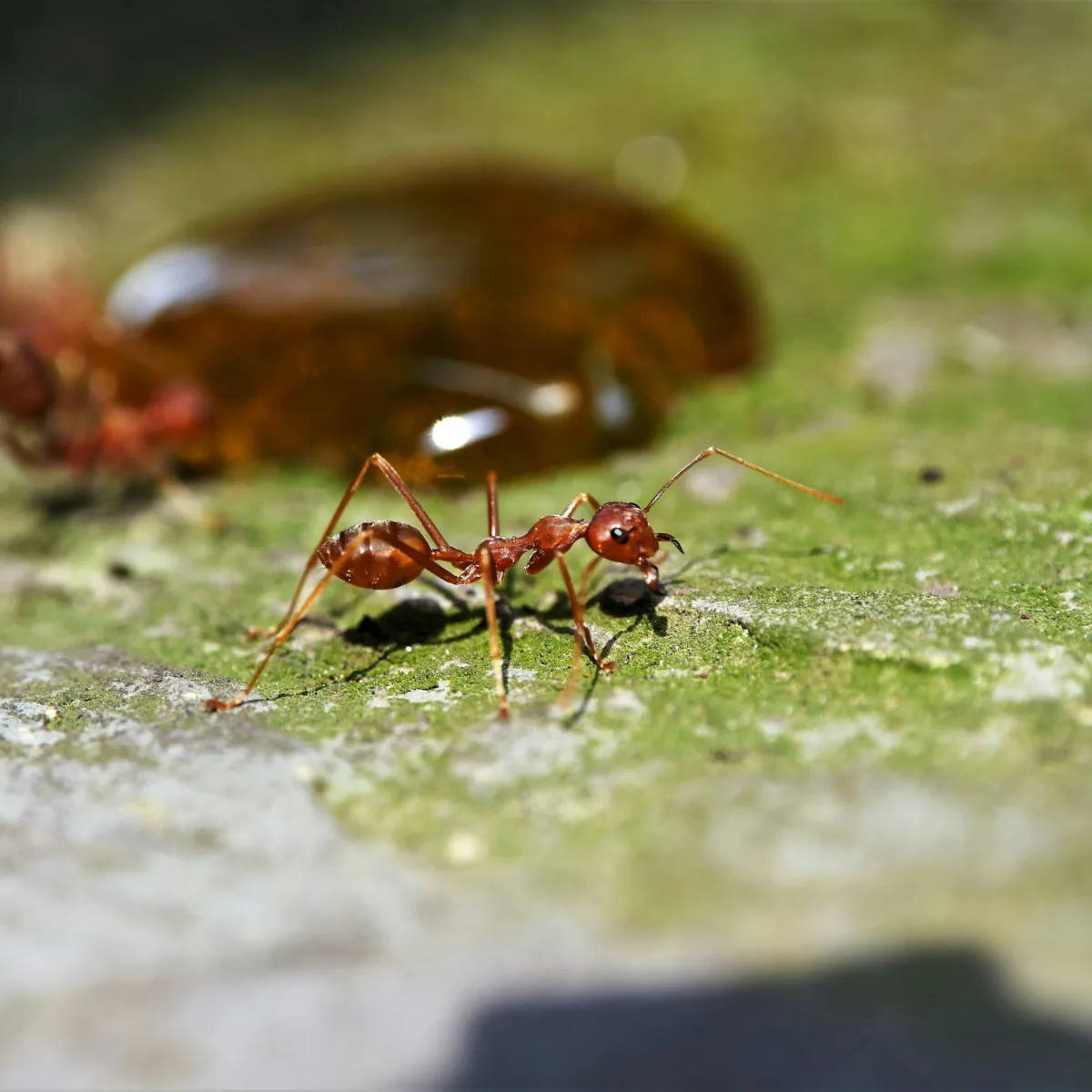
Ants can enter through tiny gaps while searching for food. Cockroaches may find shelter around plumbing or damp spaces. Spiders often settle where other insects are available to feed on.

Outdoor conditions also matter.

Hernando’s humid summers can support insect activity around landscaping, foundations, patios, and shaded areas. Heavy rainfall may temporarily change where some pests seek shelter.

Homes with mulch against exterior walls, dense shrubs near windows, or moisture around the foundation may provide additional hiding places.

Small openings around utility lines, doors, and windows can give insects a route inside.

Our service pros look at the activity inside the home and the surrounding property.

We want to understand where pests are coming from, not simply treat the first place someone noticed them.

COMMON HOUSEHOLD PESTS

Which Pests Can Cause Problems in Hernando Homes?

Different pests behave differently, and the treatment needs to reflect that.

Some live outdoors and enter occasionally. Others can establish themselves inside walls, kitchens, bathrooms, or other sheltered spaces.

Ant Control

Ants commonly enter kitchens, pantries, bathrooms, and laundry areas while searching for food or moisture.

You may notice a trail along a countertop, around a window, or near a door.

Removing the visible ants does not necessarily affect the colony.

Our service pros follow trails, check likely entry points, and look for nesting activity.

Depending on the species, treatment may involve appropriately placed bait or other targeted applications.

Cockroach Control

Cockroaches often seek warm, sheltered areas where food and moisture are available.

Kitchens, bathrooms, utility spaces, and areas around plumbing can provide suitable conditions.

Some species enter from outdoors, while others can establish indoor populations.

We inspect likely hiding places and look for signs such as droppings, shed skins, or live insects.

Treatment depends on the species and where the activity is occurring.

Spider Control

Spiders may appear around windows, garages, exterior lights, and sheltered corners.

Many are harmless and help control other insects, but their presence indoors can still be unwelcome.

We check where spiders are gathering and whether other insect activity is attracting them.

Reducing available prey and addressing entry points can be important parts of managing recurring spider problems.

Flea and Tick Activity

Fleas and ticks may be carried onto a property by pets or wildlife.

Fleas can establish themselves where infested animals rest, while ticks may be found in vegetation and other protected outdoor areas.

These pests require different treatment approaches.

Our service pros consider where the activity is occurring and whether outdoor treatment is appropriate.

Pet flea and tick prevention should be handled with guidance from a veterinarian.

Other Occasional Invaders

Crickets, earwigs, millipedes, and other small arthropods may occasionally enter homes.

Some become more noticeable after heavy rain or changes in outdoor moisture.

A few may wander indoors without establishing an infestation.

We identify the pest before deciding whether treatment, exclusion, or moisture correction is the most useful response.

BUILT FOR HERNANDO HOMES

How Do We Approach Local Pest Problems?

Our approach begins with finding out what is actually happening around the property.

A line of ants in the kitchen needs a different response from cockroaches hiding beneath appliances or occasional insects entering through a damaged door seal.

Identify the Pest First

Knowing which pest is present helps us choose the right treatment.

Different ant species have different nesting habits. Cockroach species also vary in where they live and how they spread.

Our service pros inspect the activity before recommending products.

Check Entry Points

Small gaps around doors, windows, utility lines, and plumbing can allow pests inside.

We look for openings near the areas where insects have been reported.

Treatment may reduce activity, but closing access points can help prevent new pests from entering.

Look for Moisture Problems

Water attracts many household pests.

Leaking pipes, damp cabinets, condensation, and poor exterior drainage can create suitable conditions.

We point out moisture problems that may need repair.

An insecticide cannot fix a plumbing leak.

Treat the Areas That Matter

We choose treatment locations based on the pest and its behavior.

That may include cracks, crevices, appropriate bait placements, exterior entry areas, or other labeled treatment sites.

We do not assume that spraying every surface is necessary.

Explain How to Reduce Recurring Activity

Food storage, cleaning, moisture control, and sealing gaps can support pest treatment.

Our service pros explain which steps are relevant to the problem found at your home.

Six-Treatment Insect Program for Lawns

DeSoto Turf also offers a 6-Treatment Insect Program targeting fleas, ticks, and ants in the grass.

The program includes six applications, typically scheduled alongside treatments two through seven of our eight-treatment lawn care program.

For ants, homeowners generally begin noticing a difference after two to three applications.

THE PEST CONTROL PROCESS

What Happens During a Pest Control Visit?

Tell Us What You Have Been Seeing

We begin by asking where the pests are appearing and how often you notice them.

Are ants returning to the same kitchen counter? Have you seen cockroaches near the dishwasher? Are insects gathering around an exterior doorway?

These details help us decide where to inspect.

Inspect the Problem Areas

Our service pros check the places where activity has been reported.

We may look around plumbing, cabinets, baseboards, doors, windows, and other sheltered areas.

Outside, we consider the foundation, landscaping, moisture, and possible entry points.

The inspection depends on the pest involved.

Identify the Pest and Its Habits

We determine which pest is causing the problem as accurately as possible.

Identification helps us understand where it may be nesting, feeding, or entering.

It also helps us avoid using a treatment that is unsuitable for the species.

Select the Appropriate Treatment

We choose products and application methods according to the identified pest and the location of the activity.

Depending on the problem, treatment may involve bait, targeted insecticide applications, or other control measures.

We follow the product label and consider areas used by children and pets.

Address Contributing Conditions

During the visit, we may identify food sources, moisture problems, clutter, or gaps that encourage pest activity.

We explain what can be corrected.

Some changes are simple, such as storing pet food securely. Others may require plumbing repairs or sealing exterior openings.

Review Aftercare and Follow-Up

After treatment, our service pros explain any cleaning restrictions, re-entry precautions, and what to expect.

Some treatments reduce visible activity quickly. Others, including certain baits, need more time.

We also explain when continuing activity should be reassessed.

AFTER YOUR PEST CONTROL VISIT

What Should You Do After We Treat Your Home?

The instructions depend on the products used and where they were applied.

Some treatments need to remain undisturbed. Cleaning or spraying over a bait placement can interfere with how it works.

Our service pros explain what applies to your home.

In general:

  • Follow all re-entry instructions for treated areas.
  • Keep children and pets away as required by the product label.
  • Leave bait stations and placements undisturbed.
  • Avoid spraying household insecticides over professional bait treatments.
  • Store food in sealed containers.
  • Clean spills and remove accessible crumbs.
  • Repair leaks and address standing water.
  • Keep trash containers closed.
  • Let us know if pest activity continues or changes.

Do not assume that every treated surface needs immediate cleaning.

Some products are intended to remain in specific cracks, crevices, or other locations.

Follow the instructions provided after your visit rather than removing the treatment unintentionally.

The EPA provides additional guidance in its pesticide safety tips.

WHAT RESULTS LOOK LIKE

How Long Does Pest Control Take to Work?

The answer depends on the pest, infestation size, and treatment method.

Some insects may be affected shortly after encountering a treatment.

Baits often take longer because the target pest must find and consume the material.

With certain ant baits, you may even notice more ants gathering around the placement before activity begins to decline.

Cockroach infestations can take time to manage when insects are hiding in several locations or immature stages are still developing.

Occasional outdoor pests may also continue entering through openings that have not been sealed.

We explain the expected response for the treatment used.

A single application cannot guarantee that every pest will disappear permanently, especially when new insects can enter from outdoors.

HERNANDO WEATHER AND PROPERTY CONDITIONS

How Do Local Conditions Affect Pest Activity?

Hernando’s warm, humid summers provide favorable conditions for many insects.

Rainfall, vegetation, and changes in temperature can influence where pests are active.

After heavy rain, some insects may move away from saturated outdoor areas. During dry periods, others may search for moisture around homes.

Landscaping can also make a difference.

Shrubs touching exterior walls, leaf buildup near foundations, and damp mulch can create sheltered places for insects.

Exterior lighting may attract flying insects, which can also draw spiders to nearby areas.

Inside the home, leaking pipes and moisture around appliances can support certain pests.

These conditions do not automatically mean a home will develop an infestation.

They are simply things worth checking when the same problem keeps returning.

Our service pros look at the property as a whole and focus on the conditions connected to the pests present.

CARE BETWEEN TREATMENTS

What Can Hernando Homeowners Do to Reduce Pest Activity?

Pest control works better when the home offers fewer places for insects to feed, hide, and enter.

You do not need to make major changes to every room.

If ants repeatedly appear near a sink, look for moisture as well as food.

If cockroaches are found around appliances, check for spills, leaks, and hidden debris.

Our service pros can help you decide which changes are most relevant.

Start with the areas where activity has been found.

Wipe up food spills and crumbs promptly.

Store pantry items and pet food in sealed containers.

Avoid leaving pet food outdoors overnight.

Repair dripping faucets and leaking pipes.

Empty trash regularly and keep containers closed.

Seal gaps around doors, windows, and utility openings.

Repair damaged screens and weatherstripping.

Keep shrubs and branches from touching exterior walls.

Remove unnecessary debris near the foundation.

Check damp storage areas for recurring insect activity.

What Can Hernando Homeowners Do to Reduce Pest Activity?

Pest control works better when the home offers fewer places for insects to feed, hide, and enter.

You do not need to make major changes to every room.

Start with the areas where activity has been found.

  • Wipe up food spills and crumbs promptly.
  • Store pantry items and pet food in sealed containers.
  • Avoid leaving pet food outdoors overnight.
  • Repair dripping faucets and leaking pipes.
  • Empty trash regularly and keep containers closed.
  • Seal gaps around doors, windows, and utility openings.
  • Repair damaged screens and weatherstripping.
  • Keep shrubs and branches from touching exterior walls.
  • Remove unnecessary debris near the foundation.
  • Check damp storage areas for recurring insect activity.

If ants repeatedly appear near a sink, look for moisture as well as food.

If cockroaches are found around appliances, check for spills, leaks, and hidden debris.

Our service pros can help you decide which changes are most relevant.

INDOOR AND OUTDOOR PEST ACTIVITY

Why Do Some Pest Problems Keep Returning?

Outdoor Colonies Remain Active

Ants and other insects may live outside while entering the home to search for food.

Removing the insects indoors does not necessarily affect the outdoor population.

We look for trails and likely nesting areas when planning treatment.

Entry Points Stay Open

A small gap beneath a door or around a pipe can provide repeated access.

Treatment may reduce pest activity, but new insects can continue entering.

Sealing openings helps support longer-term control.

Food and Water Remain Available

Crumbs, spills, leaking pipes, and pet feeding areas can attract insects.

Even a clean home may have a hidden moisture problem or an overlooked food source.

Correcting these conditions can make treatment more effective.

Pests Hide in Protected Spaces

Cockroaches and other household pests may remain behind appliances, inside cracks, or in other difficult-to-reach locations.

Treating only visible insects can leave much of the infestation untouched.

Our service pros inspect likely hiding places before choosing treatment locations.

New Pests Arrive From Outside

Homes are not sealed environments.

Insects may enter through open doors, damaged screens, or gaps around the building.

Outdoor conditions and seasonal activity can lead to new encounters even after an earlier problem has been controlled.

THE DESOTO TURF DIFFERENCE

Why Choose DeSoto Turf for Pest Control in Hernando?

DeSoto Turf is based in Hernando, and our service pros understand the everyday pest problems that can affect local homes.

We know that seeing the same insects return after repeated cleaning or spraying can be frustrating.

Our approach starts with identifying the pest and looking for the source of the activity.

We do not assume that every home needs the same application.

Our service includes:

  • Reviewing reported pest activity
  • Inspecting likely hiding places
  • Identifying common household pests
  • Looking for possible entry points
  • Checking moisture and food sources
  • Choosing targeted treatment methods
  • Following product-specific safety directions
  • Providing aftercare and prevention guidance

We also help homeowners understand when a problem requires more than insect treatment.

A leaking pipe, damaged door seal, or recurring moisture issue may need repair before the home becomes less attractive to pests.

Explore our other home and property services to learn more about the treatments available.

COMMON HERNANDO PEST CONTROL QUESTIONS

Frequently Asked Questions

Get Help With Pest Problems Around Your Hernando Home

An occasional insect may not mean you have an infestation. But when ants keep returning, cockroaches appear in sheltered areas, or pest activity begins spreading, it is worth finding out why.

At DeSoto Turf, our service pros inspect the problem, identify the pests involved, and recommend treatment based on the activity found.

We also help you recognize entry points, moisture problems, and other conditions that may be allowing insects to return.

If pests have become a recurring concern around your Hernando home, contact DeSoto Turf. Tell us what you have been seeing, and we can discuss the next step.