LOCAL LAWN TREATMENTS
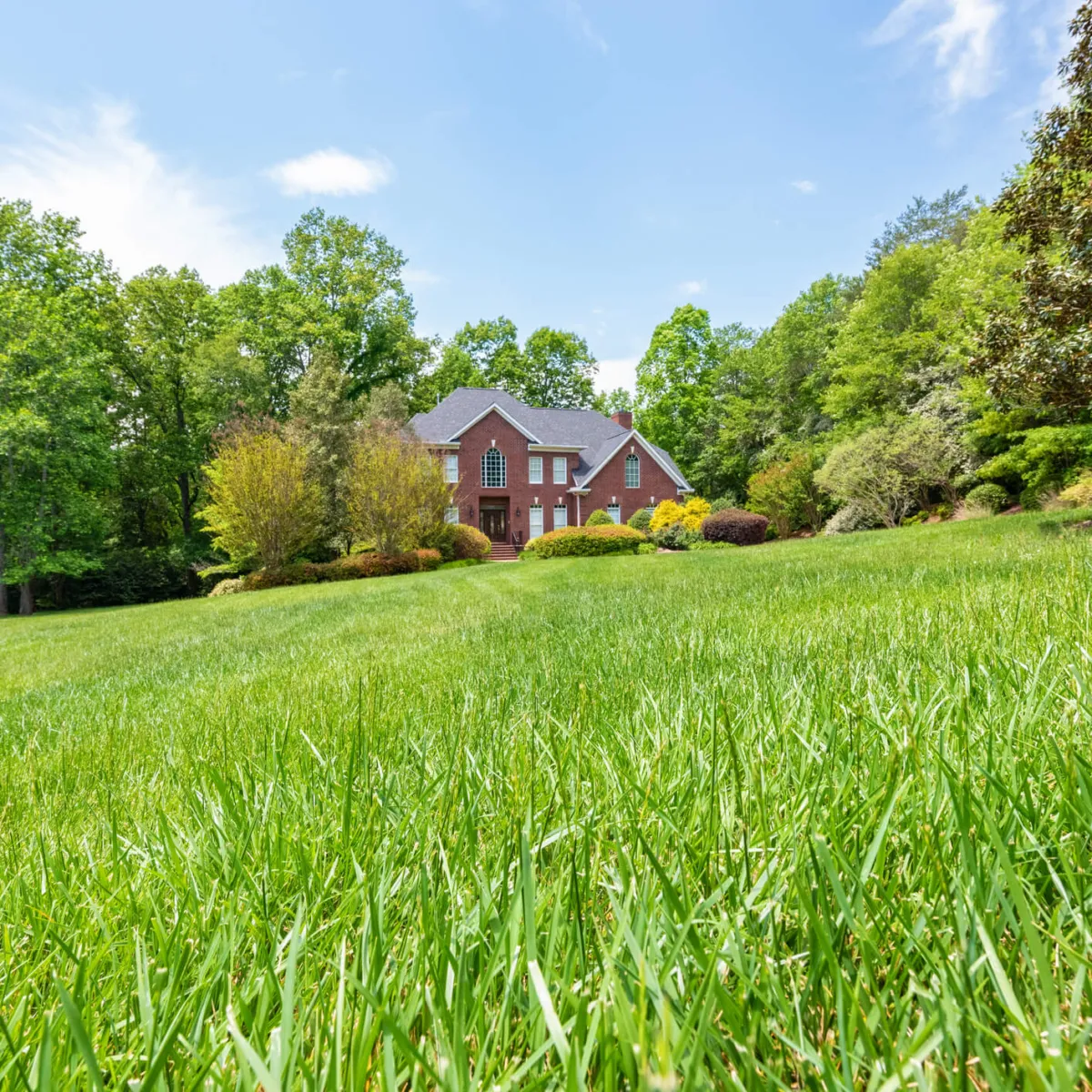
Nesbit lawns contend with hot summers, heavy rain, compacted ground, and weeds that emerge in different seasons. DeSoto Turf provides weed control, lawn fertilization, core aeration, and flower bed pre-emergent treatments for local properties.
We care for the lawn and established planting beds. Our services do not include mowing or routine landscape maintenance.
A CLEAR SERVICE ROUTINE
We start with the conditions present on the property.
We note grass type, weeds, thin areas, shade, water movement, flower beds, and signs of compaction.
We determine whether the property needs scheduled lawn treatments, aeration, flower bed pre-emergent, or more than one service.
Weather, turf growth, soil moisture, and weed stage guide the service date and application.
We complete the selected work in the lawn or beds where it is needed.
Return visits let us track improvement and identify conditions that may require an adjustment.
Our services address common problems in turf and maintained planting beds without adding work the property does not need.
Our eight-treatment lawn program combines seasonal weed control and fertilization. Each application is selected for the lawn\’s growth stage and the weeds active at that time.
Core aeration removes small plugs from compacted soil. The openings give water, air, and nutrients better access to the grass roots.
Pre-emergent treatments help prevent targeted annual weeds from establishing in maintained flower beds. We apply them around existing ornamental plants and bed features.
EIGHT PURPOSEFUL VISITS
The eight-treatment program does not repeat the same application eight times. Weed activity, turf growth, and weather determine what belongs in each visit.
Early-year treatments address weeds growing in dormant or newly greening turf. Fertilizer is introduced when the lawn is actively growing and can use the nutrients.
Summer applications support Bermuda and zoysia during their main growing period while addressing weeds that favor warm soil and moisture. Later visits adjust as the lawn begins slowing down.
These return visits also let us see what is changing. We can distinguish a weed that is responding slowly from a new problem caused by shade, water, mowing, or compacted ground.
Cool-season weeds can become established before warm-season grass begins growing. Early treatment reduces competition during spring green-up.
Bermuda and zoysia grow and spread during warm weather. Properly timed nutrition helps the lawn compete without relying on excessive fertilizer.
Applications shift as temperatures fall and growth slows. The lawn should not receive the same treatment in fall as it did in midsummer.
You can treat a weed, but the conditions that let it take hold may remain. Recurring weeds often appear where the grass is thin, the ground stays wet, or mowing has exposed the soil.
Identification matters because grassy weeds, sedges, and broadleaf weeds respond differently. The treatment must also suit the lawn\’s grass type and current condition.
Moisture-loving weeds may point to overwatering, runoff, or poor drainage. Controlling the plant does not automatically dry the soil.
Heat, traffic, and exposed soil can weaken grass beside sidewalks and driveways. These open edges provide space for new weeds.
Grass that receives too little sunlight may remain sparse. More fertilizer will not compensate for a location that cannot support dense turf.
Mississippi State University Extension offers additional information about weed control for lawns and gardens.
Nesbit sits between established communities and growing parts of DeSoto County. Residential construction, utility work, grading, equipment traffic, and sod installation can leave the soil beneath a newer lawn tightly packed.
The surface may look finished, but the root zone may remain dense. Grass can survive in that soil but may struggle to develop the deeper roots it needs during heat and dry weather.
Construction vehicles and repeated foot traffic press soil particles together. Sod placed over that ground does not remove the compaction beneath it.
One section may have a workable layer of topsoil while another has only a thin covering over dense subsoil. The difference may show later as uneven growth.
Compacted soil absorbs water slowly. Rain or irrigation may puddle, move downhill, or keep the surface wet without reaching deeper roots.
Core aeration creates openings through the turf and into the soil. It doesn\’t rebuild the entire lawn, but it can improve access to the root zone where compaction limits growth.
Grass needs moisture, but saturated soil holds less air. Roots growing in constantly wet ground may remain shallow and weak even when the lawn appears to receive plenty of water.
Mississippi State University Extension notes that compacted soil with poor internal drainage can reduce soil oxygen, root mass, and root depth. The lawn may then struggle to take in water and nutrients.
Push a screwdriver or soil probe into several areas. If the ground is already wet, another watering cycle may not help.
A sunny front lawn and shaded side yard may not need the same amount of water. One schedule can leave one area dry and the other soaked.
Water collecting near a downspout, swale, or property edge may indicate runoff rather than inadequate irrigation.
Read more about turf moisture in Mississippi State University Extension\’s guide to water requirements for a healthy lawn.
Nesbit properties can include open lawns, wooded edges, fences, outbuildings, and mature trees. Each feature changes how much light and moisture reaches the grass.
Bermuda performs best in substantial sunlight. Sections under dense shade may remain thin even when fertilized and watered.
Zoysia can tolerate more shade than Bermuda, but it still needs usable light. Heavy tree cover may limit its density and recovery.
Areas beside buildings or beneath trees may dry slowly. Reducing irrigation in those sections can help prevent constantly wet soil.
The Mississippi State University Extension guide to selecting turfgrass for shade compares the light needs of common lawn grasses.
Flower bed weeds can germinate beneath mulch and emerge between ornamental plants. Pulling them removes the visible growth, but more seeds may remain in the soil.
Pre-emergent creates a treated layer that helps stop targeted annual weeds as they germinate. It works best when applied before those weeds begin growing.
Pre-emergent does not kill mature weeds. You may need to pull or treat existing plants before the preventive application.
A suitable mulch layer limits light at the soil surface. Washed, thin, or heavily disturbed mulch leaves more opportunities for weeds.
Digging holes and moving soil can break the pre-emergent barrier. Tell us about upcoming bed work so the treatment can be timed appropriately.
Mississippi State University Extension\’s ornamental bed weed-management guide explains how moisture, mulch, and cultivation affect weed growth.
STORMWATER STARTS AT HOME
Rain running across driveways, bare soil, and sloped lawn areas can carry sediment and yard materials into storm drains. DeSoto County identifies pesticides, fertilizers, and sediment among the materials found in stormwater systems.
Responsible application includes watching the forecast, treating the intended areas, and keeping granules or lawn debris away from pavement.
Material landing on a driveway or sidewalk should be moved back into the treated area rather than washed toward a drain.
Applications and aeration should not be completed when the lawn is waterlogged. Wet soil can also increase tracking and runoff.
Downspouts and irrigation should not send water across recently treated sections or wash material out of flower beds.
Property owners can review local information through the DeSoto County Stormwater Program.
VISIBLE AND PRACTICAL PROGRESS
Each service works differently, so progress should be judged by the purpose of the treatment.
Treated weeds may curl, discolor, or stop growing before they disappear. Response time varies with the weed, weather, and growth stage.
Fertilized grass can spread during active growth. Thin areas still need suitable sunlight, moisture, and mowing to fill.
Aeration creates paths into compacted ground. The improvement occurs around the root zone rather than appearing as an overnight color change.
Pre-emergent reduces targeted annual weeds. Existing weeds, perennial plants, and seeds introduced later may still appear.
AFTER THE SERVICE VISIT
Following a few service-specific directions helps protect the treatment.
Wait for the recommended period before mowing. Follow the watering instructions provided for that particular application.
Leave the soil plugs where they fall. Avoid heavy traffic while the ground is unusually wet or soft.
Do not dig through the treated layer or move large amounts of mulch. Discuss new planting before disturbing the soil.
DeSoto Turf provides lawn and flower bed treatments across North Mississippi and the greater Memphis area.
QUESTIONS ABOUT SERVICE
These answers cover common questions about our lawn and flower bed services.
Tell DeSoto Turf where weeds keep returning, which sections remain wet, and where the grass feels thin or the soil feels firm. Those observations help us determine what the property needs.
The plan may include the eight-treatment lawn program, core aeration, flower bed pre-emergent, or a practical combination for separate areas.
DeSoto Turf will review the concern, explain the purpose of the recommended service, and help you plan the next step for your Nesbit lawn and flower beds.