WEED PREVENTION FOR BEDS
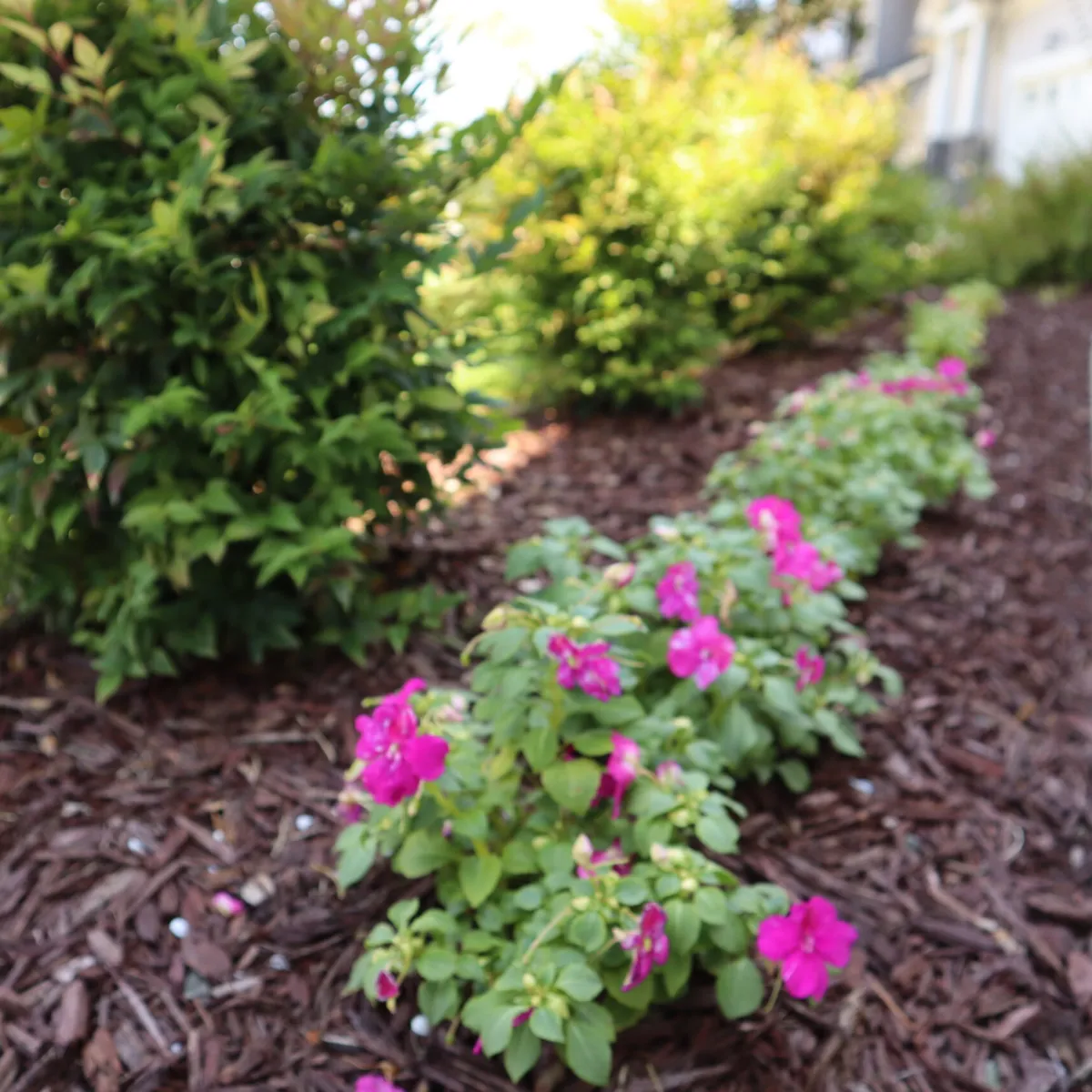
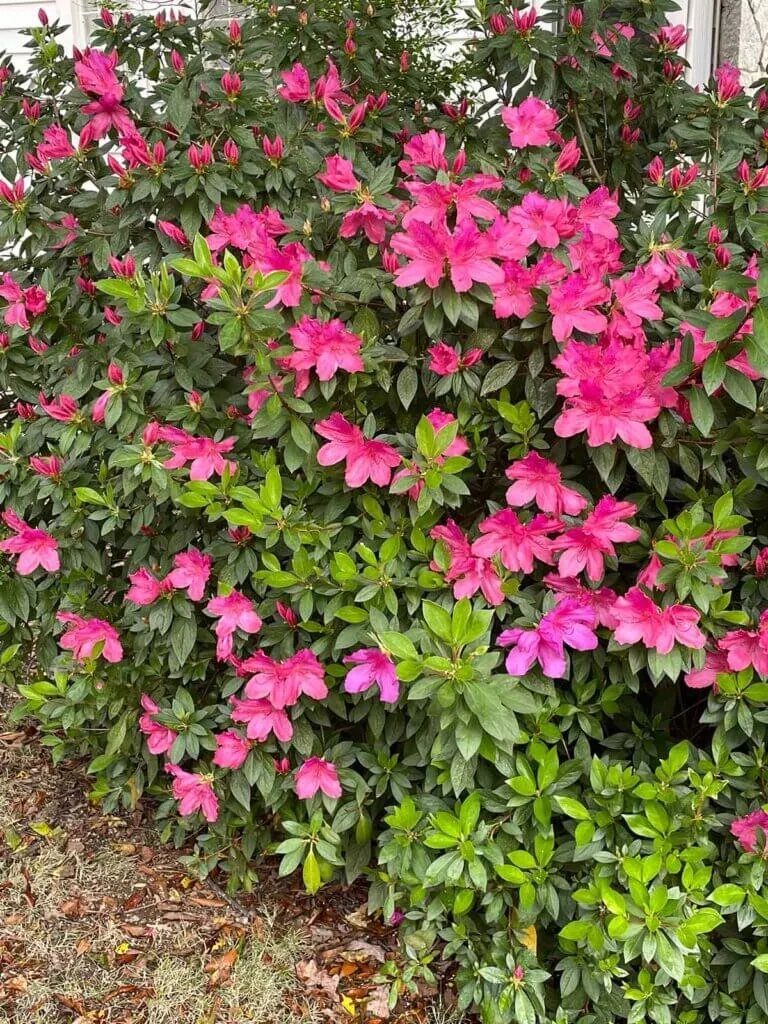
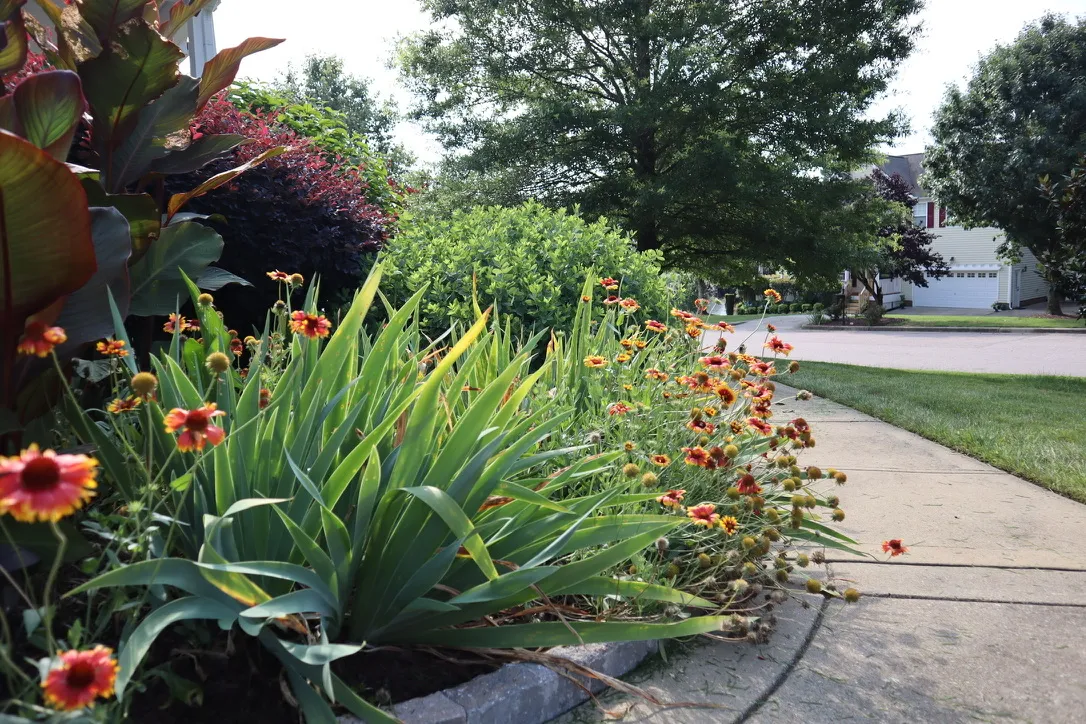
Weeds can quickly take over mulched beds around Hernando homes. DeSoto Turf applies scheduled pre-emergent treatments that help prevent new annual weeds from establishing between flowers, shrubs, and ornamental plants.
Our program is intended for maintained landscape beds. It works alongside proper mulch depth, hand-pulling existing weeds, and routine bed care.
WHEN WEEDS KEEP RETURNING
Hernando’s long growing season gives weeds plenty of time to germinate. Warm spring soil, humid summer weather, regular rainfall, and irrigation can support repeated weed growth throughout much of the year.
Local soils also affect flower beds. Many Hernando properties have silt loam or silty clay loam soils. These soils may stay wet after heavy rain, form a firm surface when dry, or move with runoff on sloped beds. Each condition can create openings where weeds begin growing.
Other common causes include:
Pulling visible weeds clears the bed temporarily, but it does not stop the next round of seeds from germinating. That is where pre-emergent treatment can help.
A PLANNED BED PROGRAM
DeSoto Turf uses a scheduled approach rather than waiting until weeds cover the beds. We coordinate treatment timing with selected visits in our lawn program.
We look at the condition of the beds, mulch coverage, visible weeds, bed edges, drainage, and the plants growing in the treated area.
This helps us identify where pre-emergent fits and where another type of weed control may be needed.
Pre-emergent will not kill established weeds. Remove visible weeds before treatment, or handle them separately.
We also watch for spreading grasses and perennial weeds. These plants may return from roots, runners, bulbs, or underground stems rather than new seed.
We apply the product to eligible flower beds according to the label. We work around established shrubs, flowers, and ornamental plants while treating the exposed bed surface.
Application depends on bed access, plant material, weather, and current soil conditions.
The flower bed program includes four scheduled applications, typically coordinated with treatments 1, 2, 6, and 7 of the lawn program.
Repeated applications matter because pre-emergent products do not remain active indefinitely. Weather, sunlight, soil movement, and bed disturbance gradually reduce the barrier.
Later visits allow us to note visible changes, fresh weed activity, disturbed mulch, or other conditions affecting performance.
Pre-emergent works best when the treated surface remains reasonably stable between applications.
STOP WEEDS BEFORE GROWTH
Pre-emergent creates a treated zone near the soil surface. As susceptible weed seeds begin to germinate, the treatment interrupts their early development before they become established plants.
The service targets future weed growth. It does not remove weeds that are already visible, and it will not solve every perennial weed problem. Remove existing weeds so the pre-emergent can focus on the next cycle.
Annual weeds grow from seed, mature, and produce more seed within one growing season. Pre-emergent helps reduce new seedlings before they spread through the bed.
This can make routine bed care more manageable, especially during Hernando’s warm and rainy months.
Weeds growing through mulch make an otherwise maintained bed look neglected. Reducing new germination helps the mulch, plants, and bed edges remain visible.
Pre-emergent does not replace mulch. The two work differently: mulch covers exposed soil, while pre-emergent addresses susceptible weed seeds near the surface.
One weed can produce enough seed to create a larger problem later. Preventing new annual weeds from reaching maturity helps reduce the amount of fresh seed returned to the bed.
Results build through consistent care. Beds with a long history of weeds may still have stored seed in the soil.
Hand pulling remains necessary for existing weeds and species that are not controlled by pre-emergent. However, preventing part of the next weed cycle can reduce how often the entire bed needs attention.
The goal is not to claim that weeds will never appear. It is to keep new growth from becoming the main feature of the landscape.
CARE AFTER APPLICATION
Follow any watering instructions provided after the visit. Some pre-emergent products need water to move the active ingredient into the upper soil layer, while timing can vary by product and weather.
Avoid digging, raking, or moving soil immediately after treatment. Disturbing the surface may create untreated openings where weeds can germinate.
Always follow the instructions left by the service professional. The U.S. Environmental Protection Agency also recommends following the product label for application safety and re-entry requirements.
WHAT RESULTS LOOK LIKE
Pre-emergent reduces germination. It does not create an instant weed-free bed, remove established weeds, or stop every species.
Some weeds may still appear because they were already growing, emerged before treatment became active, or developed through disturbed areas. Perennial weeds and invasive grasses may also require a different approach.
With scheduled applications and regular bed maintenance, you can expect:
Beds with thick existing growth will need cleanup before the preventive program can provide its full value.
MULCH SUPPORTS CONTROL
Mulch covers bare soil, slows moisture loss, reduces soil splash, and blocks some light from reaching weed seeds. It also protects the bed’s appearance between treatments.
Mississippi State University Extension generally recommends maintaining a moderate mulch layer rather than piling it deeply. Too little mulch leaves soil exposed. Too much can keep the root zone overly wet or hold material against plant stems.
Keep mulch:
Heavy Hernando rain can move mulch downhill or wash it from bed edges. Check low areas and downspout outlets after storms, then replace displaced material without aggressively disturbing treated soil.
Mississippi State University Extension’s ornamental bed weed-management resources offer more guidance.
KNOW WHEN CONTROL DIFFERS
Some flower bed problems need more than preventive treatment. Pre-emergent is designed mainly for susceptible weeds growing from seed.
Identify these weeds before treatment. Pulling, careful spot treatment, edge correction, or another service may be more appropriate.
Our weed control and fertilization service addresses lawn areas rather than ornamental beds. If soil compaction is affecting the turf outside your beds, review our lawn aeration service.
LOCAL CARE FOR LOCAL BEDS
DeSoto Turf treats flower beds as part of the property, not as an isolated patch of mulch. We consider existing weeds, ornamental plants, soil exposure, moisture, drainage, and how the bed connects to the surrounding lawn.
Our flower bed pre-emergent program provides:
We serve Hernando and nearby communities from our local DeSoto County base. That keeps our recommendations aligned with the growing conditions across North Mississippi.
FLOWER BED QUESTIONS
Here are answers to common questions Hernando property owners ask about flower bed weed prevention.
Recurring weeds can make maintained landscape beds look unfinished. DeSoto Turf applies scheduled pre-emergent treatments to help reduce new annual weeds before they become established.
Tell us which beds need attention, what weeds you have noticed, and whether the area was recently planted or disturbed. We will review the conditions and explain whether flower bed pre-emergent belongs in your property-care plan.