LOCAL LAWN AERATION IN HERNANDO

Core Aeration Services in Hernando, MS

DeSoto Turf provides lawn aeration services in Hernando, MS, to help loosen compacted soil and give grass roots more room to grow. Mechanical core aeration removes small plugs of soil from the lawn, opening channels for air and water to reach the root zone.

Hernando lawns can become compacted from regular foot traffic, mowing equipment, and construction activity. Clay-influenced soil can also become difficult for water to penetrate when it is packed tightly.

Our service pros check the condition of the grass and soil before recommending aeration. We want to make sure compaction is the problem, rather than treating a lawn that is struggling because of shade, disease, or poor watering.

Why Do Hernando Lawns Need Core Aeration?

A lawn can look healthy on the surface while the soil underneath is becoming harder for roots to grow through.

Repeated traffic presses soil particles closer together. Over time, the spaces that normally hold air and water become smaller.

Water may begin running across the grass instead of soaking in. Roots can remain shallow, and heavily used sections may become thin or patchy.

These problems are particularly noticeable where the ground is frequently walked on or equipment follows the same route.

Hernando receives rainfall throughout the year, but rain does not always penetrate compacted ground evenly. Some sections may stay wet at the surface while the soil below remains difficult for roots to explore.

Our service pros look for signs such as hard ground, standing water, surface runoff, and thinning turf.

Core aeration can help when compaction is limiting the lawn. It does not fix every cause of poor grass growth, so we check the conditions before recommending treatment.

BUILT FOR HERNANDO SOIL

How Does Core Aeration Help Local Lawns?

Mechanical aeration works by removing small plugs of soil instead of simply pressing holes into the ground.

The openings provide temporary channels through compacted surface soil.

Open Compacted Ground

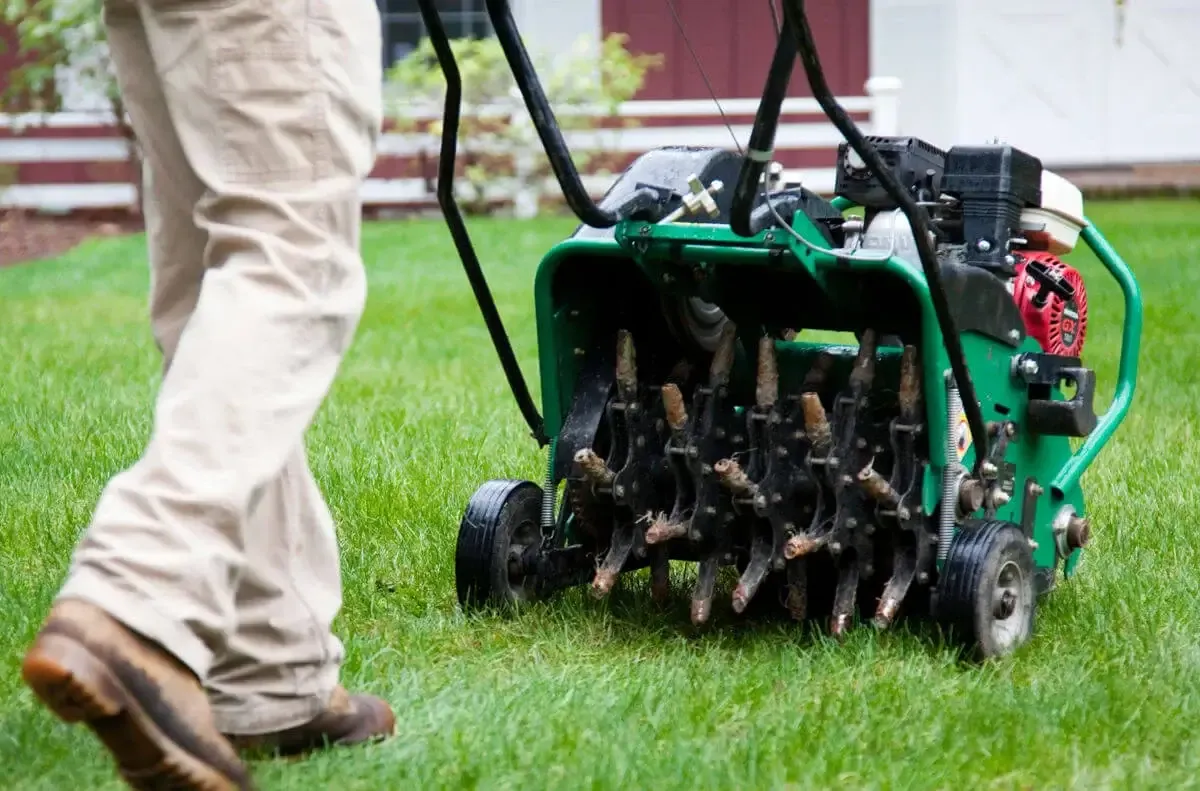
A core aerator uses hollow tines to remove plugs from the lawn.

This creates space in the soil without compressing the surrounding ground as much as solid spikes can.

The openings gradually close as the soil settles and grass continues growing.

Help Water Enter the Root Zone

Compacted soil can slow water movement and increase runoff.

Aeration creates openings that allow rainfall and irrigation to move into the ground more readily.

It does not replace drainage repairs, but it may help when shallow compaction is preventing water from entering the soil.

Give Grass Roots More Growing Space

Roots need access to air, moisture, and nutrients.

When the soil is tightly packed, root development can be restricted.

Core aeration helps relieve shallow compaction so roots have better conditions for growth.

Improve Contact Between Soil and Thatch

A moderate layer of thatch is normal in many lawns.

When thatch becomes excessive, it can interfere with water movement and create an unfavorable growing environment.

Core aeration brings soil into contact with the thatch layer, which can help support natural decomposition over time.

Support Seasonal Lawn Treatments

Aeration can be useful alongside a regular lawn care program.

However, it does not replace fertilizer, weed control, or proper watering.

Our lawn treatment services address seasonal weed growth and nutrient needs, while aeration addresses physical soil compaction.

THE CORE AERATION PROCESS

What Happens During a Core Aeration Visit?

Our service pros review the lawn before beginning. Soil moisture, grass condition, and hidden obstacles all matter when mechanical equipment is used.

Check the Lawn for Compaction

We start by looking at the areas where grass is struggling.

Hard ground, surface runoff, and thinning turf may indicate compaction, especially along walking routes or frequently used sections.

We also consider whether irrigation, shade, or another problem could be responsible.

Review Soil Moisture

Core aeration generally works best when the soil is moist enough for the hollow tines to enter and remove plugs.

Ground that is extremely dry may be difficult to penetrate.

Soil that is saturated can smear or become further disturbed by equipment.

Our service pros consider recent rainfall and lawn conditions before proceeding.

Identify Sprinklers and Other Obstacles

Sprinkler heads, shallow irrigation components, invisible pet fences, and other underground features may be damaged by aeration equipment.

These items need to be identified and clearly marked before work begins.

Let us know about any known underground features or areas that require special attention.

Aerate the Lawn

Mechanical equipment removes small soil plugs as it passes over the grass.

The depth and number of plugs depend on the equipment, soil moisture, and ground conditions.

Areas with heavier compaction may need particular attention.

We avoid unnecessary passes that could damage stressed turf.

Leave the Soil Plugs to Break Down

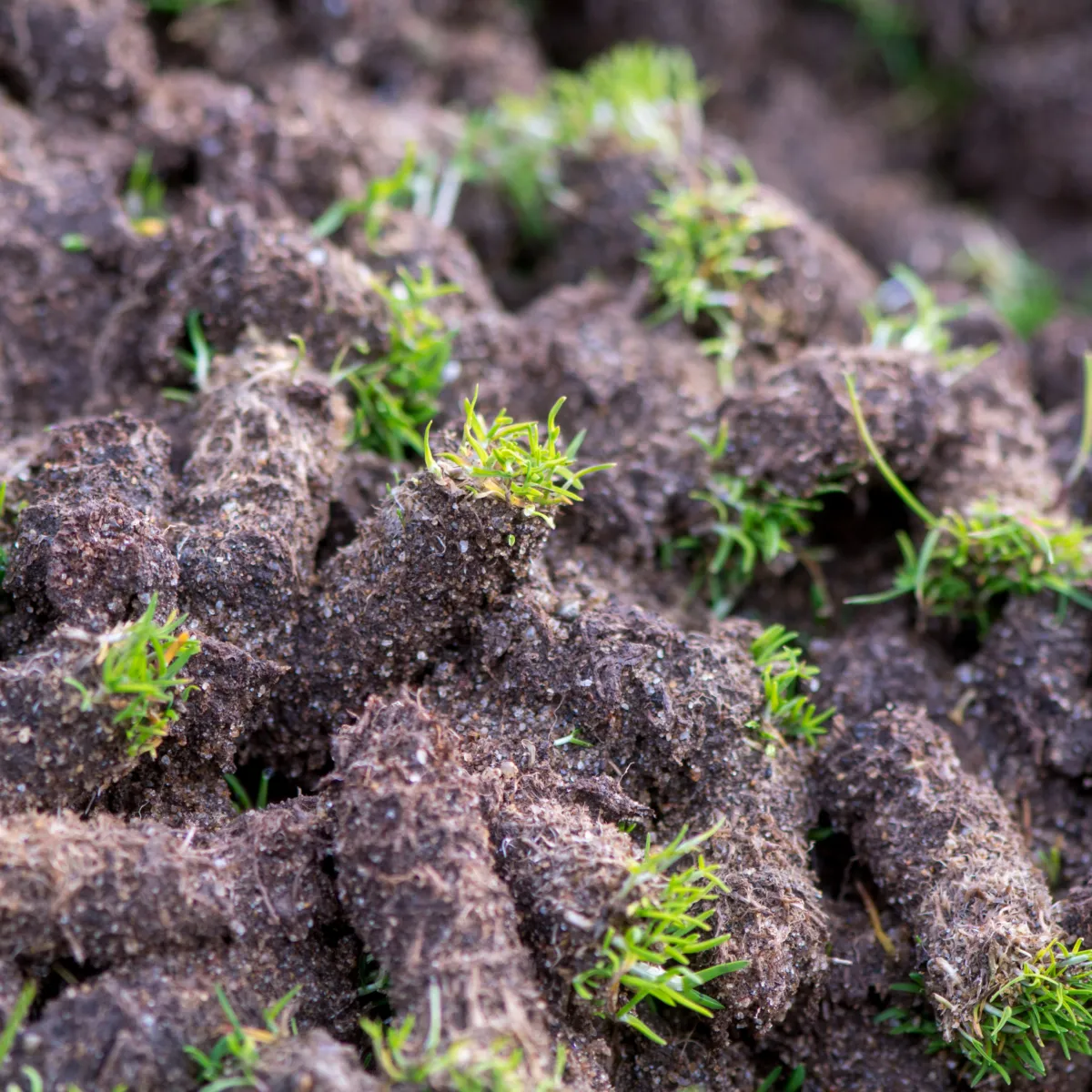
The plugs left on the surface contain soil from the lawn itself.

They usually break down naturally through rainfall, irrigation, mowing, and normal weathering.

Leaving them in place returns soil to the surface and can help improve contact with any accumulated thatch.

Review Lawn Care After Aeration

Once the work is complete, we explain what to expect.

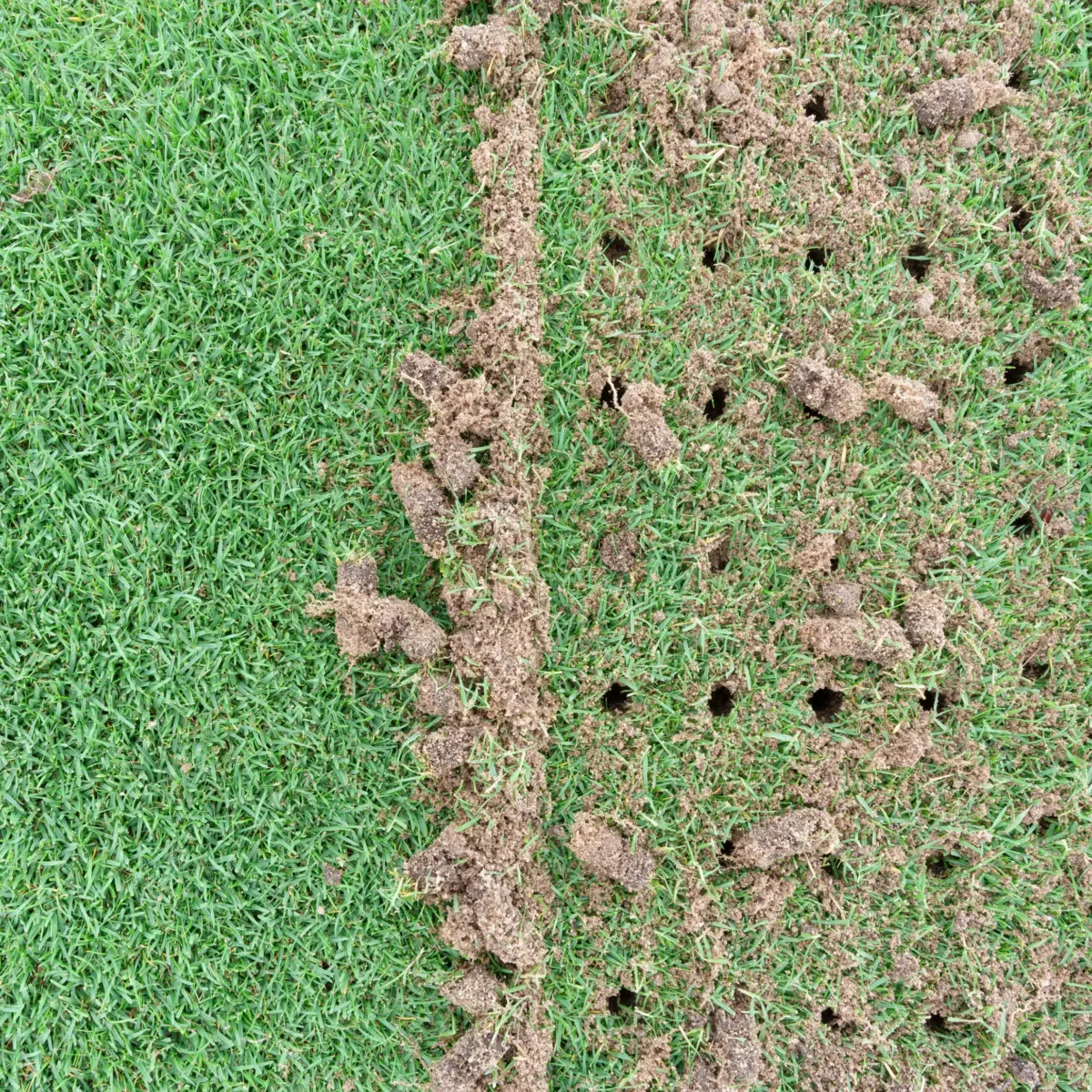
The openings and soil plugs will be visible at first, but they become less noticeable as the lawn grows and the plugs break apart.

We also discuss watering, mowing, and whether the lawn needs any additional care.

AFTER YOUR AERATION VISIT

What Should You Do After Core Aeration?

A freshly aerated lawn may look untidy for a short time.

Small soil plugs will be scattered across the grass, and you may see holes where the tines entered the ground.

That is a normal part of mechanical aeration.

After service:

  • Leave the soil plugs on the lawn to break down naturally.
  • Follow any watering guidance provided by our service pros.
  • Avoid heavy traffic while the ground is soft.
  • Keep vehicles and heavy equipment off the grass.
  • Continue mowing at the appropriate height.
  • Avoid scalping or cutting stressed grass too short.
  • Check sprinkler coverage so water reaches the lawn evenly.
  • Report any unusual damage or irrigation problems.

There is usually no need to rake up the plugs.

Hernando’s rainfall and regular lawn maintenance will gradually help them break apart.

If fertilizer or another lawn treatment is applied separately, follow the instructions for that application as well.

WHAT RESULTS LOOK LIKE

When Will Your Lawn Benefit From Core Aeration?

You will see the physical results immediately: small holes in the ground and soil plugs across the grass.

Changes in grass growth take longer.

The main benefit is improved soil conditions. Roots may gradually grow into areas where compaction previously restricted them.

How quickly the lawn responds depends on the grass type, growing season, soil condition, and severity of compaction.

A healthy bermudagrass or zoysiagrass lawn that is actively growing may recover from aeration more readily than grass that is dormant or already under stress.

Do not expect brown grass to become green overnight.

If thinning is caused by heavy shade, lawn disease, insect damage, or inadequate irrigation, aeration alone will not correct it.

Our service pros explain when the lawn is likely to respond and whether another problem needs attention.

HERNANDO SOIL AND GRASS

How Do Local Soil and Grass Types Affect Aeration?

Hernando properties can have clay- and loam-influenced soils.

The City of Hernando’s comprehensive planning information describes local soil groups that include Memphis-Loring and Grenada-Calloway soils.

These soils can behave differently depending on the location, slope, drainage, and how the property was developed.

Clay-influenced ground may hold moisture well but become firm when compacted. Construction work, grading, and repeated equipment traffic can make the problem worse.

A lawn may also have different conditions within the same yard.

The area beside a driveway might be tightly packed, while a lower section near a drainage path stays soft and wet.

Bermudagrass and zoysiagrass are common warm-season grasses in the region.

Both need suitable growing conditions to recover well after mechanical aeration.

Bermudagrass generally spreads aggressively during active growth. Zoysiagrass tends to establish and fill in more slowly, depending on the variety.

Our service pros consider the grass type and time of year when discussing aeration.

Mississippi State University Extension offers guidance on choosing turfgrass for Mississippi lawns.

What Can Hernando Homeowners Do to Reduce Compaction?

Core aeration can relieve existing compaction, but the ground can become packed again when the same conditions continue.

A few maintenance changes can help protect the work.

  • Avoid driving or parking vehicles on the lawn.
  • Limit repeated traffic across the same narrow grass paths.
  • Keep heavy equipment off wet soil.
  • Water according to soil moisture rather than a fixed daily habit.
  • Repair sprinkler leaks that leave sections constantly saturated.
  • Maintain healthy grass coverage in frequently used areas.
  • Address drainage problems where water repeatedly collects.
  • Avoid working the lawn when the ground is excessively wet.

If a particular route receives constant foot traffic, consider whether a walkway would be more practical than trying to maintain grass in that spot.

Our service pros can also point out where poor irrigation or drainage is contributing to the problem.

Aeration is useful, but it works best when the lawn is not repeatedly exposed to the same conditions that caused compaction.

CORE AERATION AND OTHER LAWN PROBLEMS

When Is Aeration the Right Treatment?

Hard Soil and Surface Runoff

When water runs across the grass and the ground feels tightly packed, shallow compaction may be involved.

Core aeration can create openings that improve water movement into the soil.

If runoff is caused by a steep slope or a drainage design problem, additional work may be necessary.

Thin Grass in High-Traffic Areas

Regular walking and equipment use can compress the ground.

Grass may gradually thin as roots lose access to suitable growing space.

Aeration can help relieve the compaction, but continued heavy traffic may prevent lasting improvement.

Excessive Thatch

A thick thatch layer can interfere with moisture movement and normal turf growth.

Core aeration may help by bringing soil into contact with thatch.

Severe thatch buildup may require additional management.

Bare Patches Caused by Shade

Aeration cannot provide the sunlight grass needs.

Bermudagrass, in particular, struggles in heavily shaded areas.

If sunlight is the main problem, a different grass or landscape approach may be more appropriate.

Insect or Disease Damage

Some lawn insects damage roots, while diseases can affect grass blades, stems, or root systems.

Aeration does not control insects or cure disease.

Our service pros look for signs of these problems before recommending soil treatment.

THE DESOTO TURF DIFFERENCE

Why Choose DeSoto Turf for Core Aeration in Hernando?

DeSoto Turf is based in Hernando, and we understand the soil and seasonal conditions that affect local lawns.

Our service pros do not recommend aeration simply because a lawn has a brown patch.

We look for signs of compaction and consider how the grass is growing, where water collects, and whether traffic or equipment has affected the soil.

Our approach includes:

  • Reviewing the lawn for visible signs of compaction
  • Considering soil moisture before mechanical aeration
  • Identifying obstacles that need to be marked
  • Using core aeration to remove soil plugs
  • Paying attention to heavily used lawn areas
  • Explaining why plugs should remain on the grass
  • Providing aftercare guidance
  • Identifying other lawn problems when aeration is not the answer

We also provide seasonal lawn treatments to help maintain grass growth and manage weeds.

Our weed control and fertilization program addresses those needs separately from soil compaction.

COMMON HERNANDO AERATION QUESTIONS

Frequently Asked Questions

Help Your Hernando Lawn Recover From Compacted Soil

When soil becomes tightly packed, grass roots have less room to grow and water may struggle to reach the root zone.

At DeSoto Turf, we use mechanical core aeration to address suitable compaction problems and help create better growing conditions for your lawn.

Our service pros look at the soil, grass condition, and areas receiving the most traffic before recommending the work.

If your Hernando lawn has hard ground, standing water, or thin grass in heavily used areas, contact DeSoto Turf. We can discuss what you are seeing and whether core aeration is the right next step.