
YEAR-ROUND LAWN CARE
DeSoto Turf provides weed control and fertilization services through an eight-treatment program. We normally return every 30 to 45 days, changing the application based on the time of year and what is happening in the lawn.
Some treatments help stop weeds before they grow. Others deal with weeds that are already visible. We apply fertilizer once the grass is actively growing, and lime during the final round.
A YEAR-ROUND APPROACH
We use pre-emergent before certain weeds grow and post-emergent after weeds appear. We add fertilizer when the grass can use it, rather than including it simply because another visit is due.
Mississippi State University Extension explains how pre-emergent and post-emergent treatments address weeds at different growth stages.
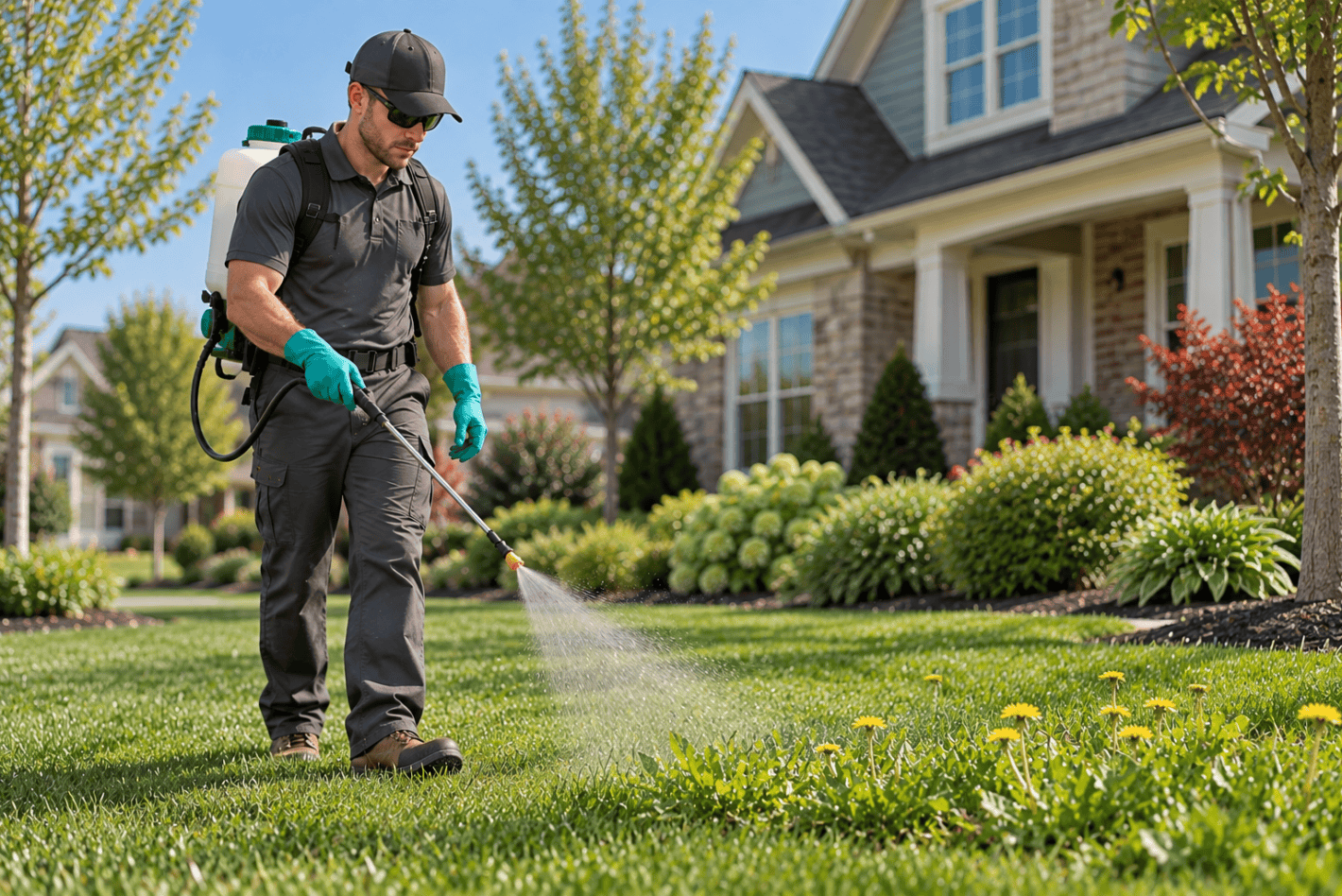
Apply pre-emergent before targeted seeds germinate. If the weed is already above ground, you need a different treatment.
We split the spring pre-emergent between two visits. We time fall applications for poa annua and broadleaf weeds that begin growing as temperatures cool.
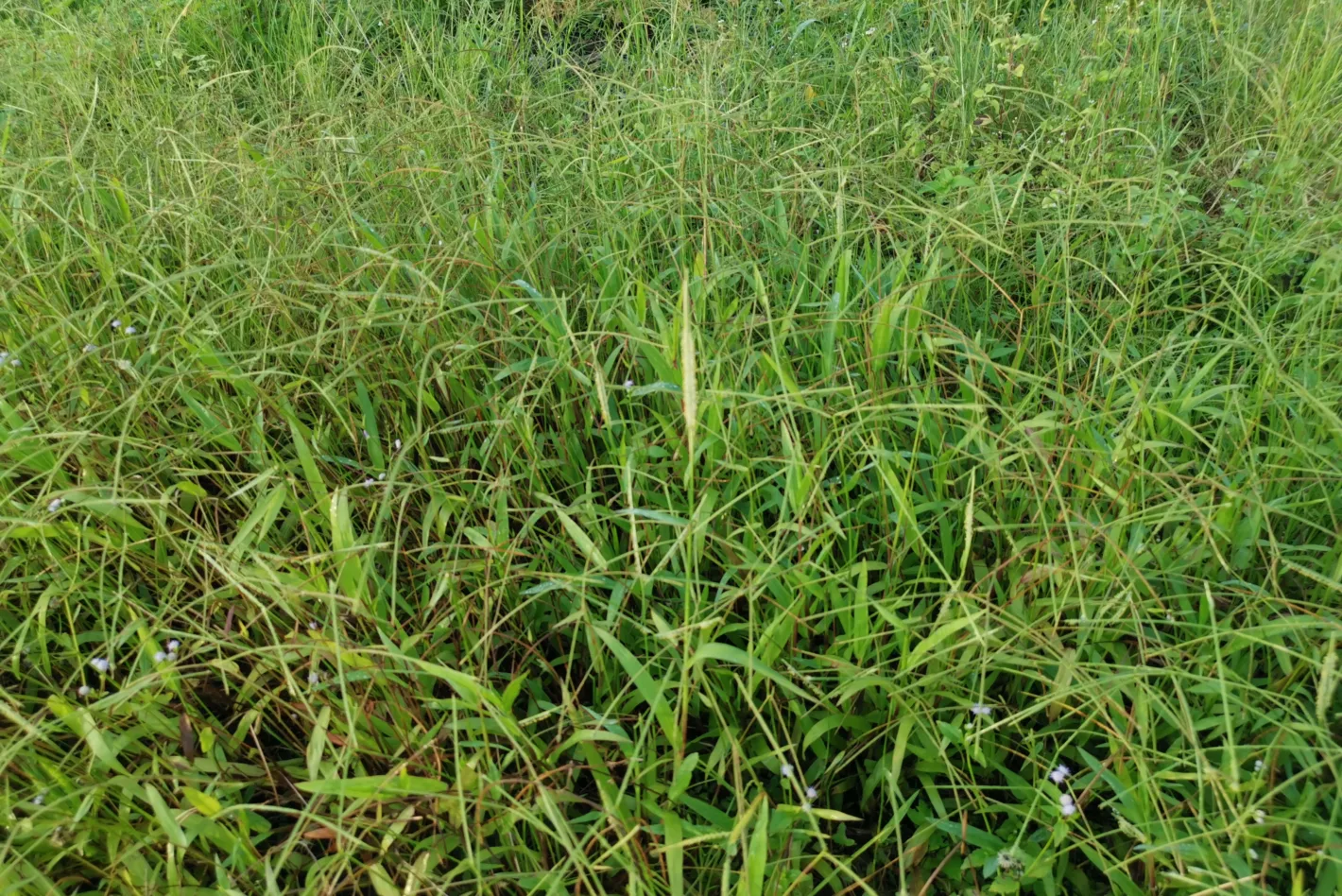
Post-emergent treatment targets weeds growing in the lawn. We may treat a larger area or spot-spray individual patches.
Fresh growth is usually easier to control than a mature perennial weed. Dallisgrass, nutsedge, and Virginia buttonweed may take more than one visit. Treating them too aggressively can also injure nearby grass, so the application has to suit the weed and the season.
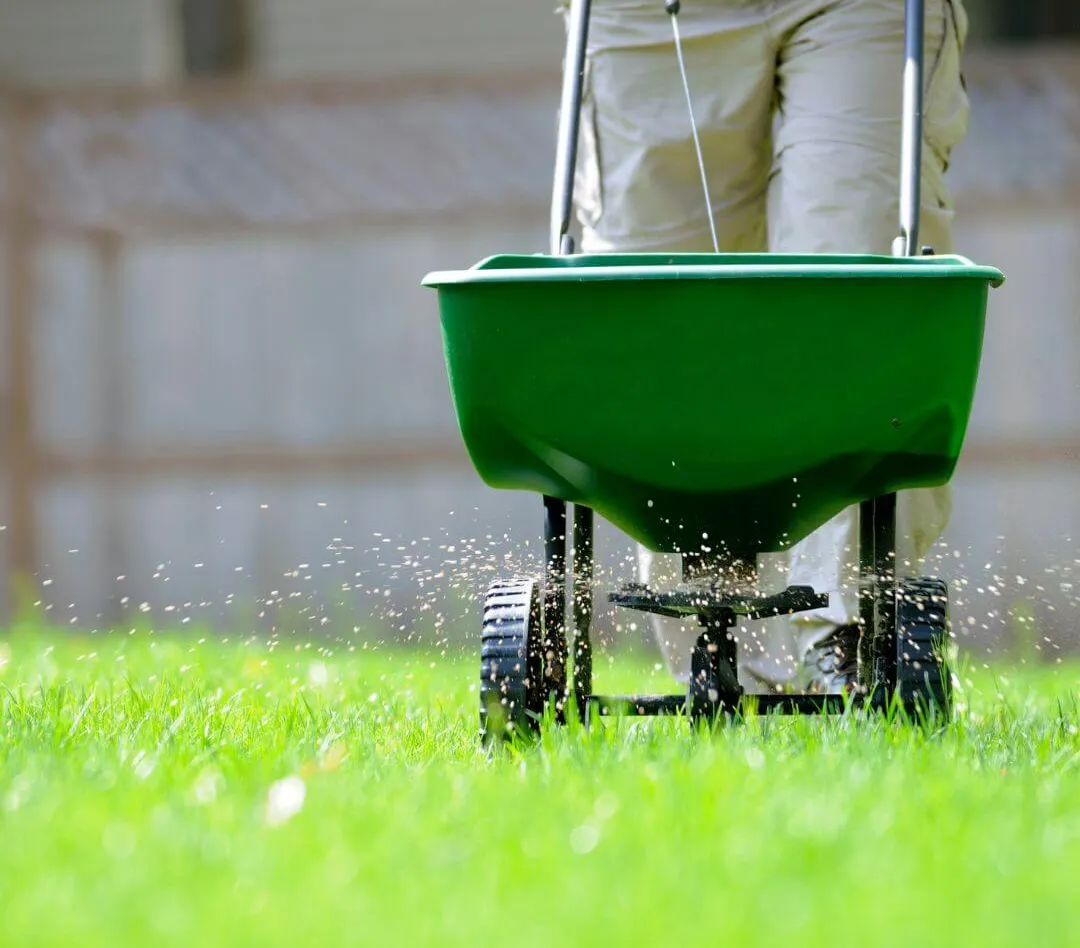
Fertilizer starts after the lawn begins coming out of dormancy. Slow-release nitrogen feeds the grass over time and helps avoid one heavy burst of growth.
Later in the summer, we lower the nitrogen and use potassium to support the roots. Iron helps maintain color.
The eighth visit includes granular lime. Lime helps improve soil pH, which can make it easier for grass to use the nutrients already available.
This is a gradual soil treatment. It does not work like fertilizer and will not produce an immediate green-up.
THE EIGHT-TREATMENT PLAN
We apply the first part of the spring pre-emergent during this visit. It targets crabgrass and other weeds that would otherwise appear in warmer weather.
1e also treat visible weeds when conditions allow. Rainfall usually activates the pre-emergent. If the weather remains dry, the lawn may need water later.
We apply the second portion of spring pre-emergent during this round. We also look for henbit, dandelions, poa annua, and winter grasses that have broken through.
Splitting the spring application gives the lawn a longer preventive window.
By this point, the grass should be greening and growing again. We apply slow-release granular fertilizer and spot-treat any weeds present.
Winter injury, spring dead spot, and perennial weeds are often easier to see now. Hard or compacted ground may also become noticeable. When soil compaction is part of the problem, lawn aeration can help open the soil.
The lawn receives another granular fertilizer application. We also treat weeds such as nutsedge, dallisgrass, Virginia buttonweed, and spurge where they appear.
Not every discolored patch is a fertilizer issue. Heat stress, uneven watering, and lawn disease can look similar. We check what is happening before deciding what the area needs.
The fertilizer used during this round contains less nitrogen than the previous application. This keeps us from forcing too much top growth late in the summer.
Potassium supports the roots, while iron helps maintain color. Active weeds are treated as needed.
We apply fall pre-emergent to help prevent Poa annua and other cool-season weeds.
We also treat visible weeds, such as sedge and spurge, when present.
This visit combines prevention with treatment for current growth. The pre-emergent targets broadleaf weeds that would otherwise appear in early spring.
Post-emergent is used on visible weeds and Poa annua that may have emerged since the last treatment.
The final round includes granular lime and spot treatment for remaining weeds.
The lime works on soil pH through the cooler months and completes the annual treatment schedule.
AFTER YOUR LAWN VISIT
Read the service notes before mowing or watering. Instructions can change depending on whether we applied a liquid product, granular fertilizer, pre-emergent, or lime.
In general:
More water does not make an application work faster. Too much can cause runoff or move the product away from the area where it was applied.
Follow the application instructions and keep children and pets away from treated grass until the product has dried or for as long as the label recommends. Review the EPA’s pesticide safety tips for general precautions.
CARE BETWEEN TREATMENTS
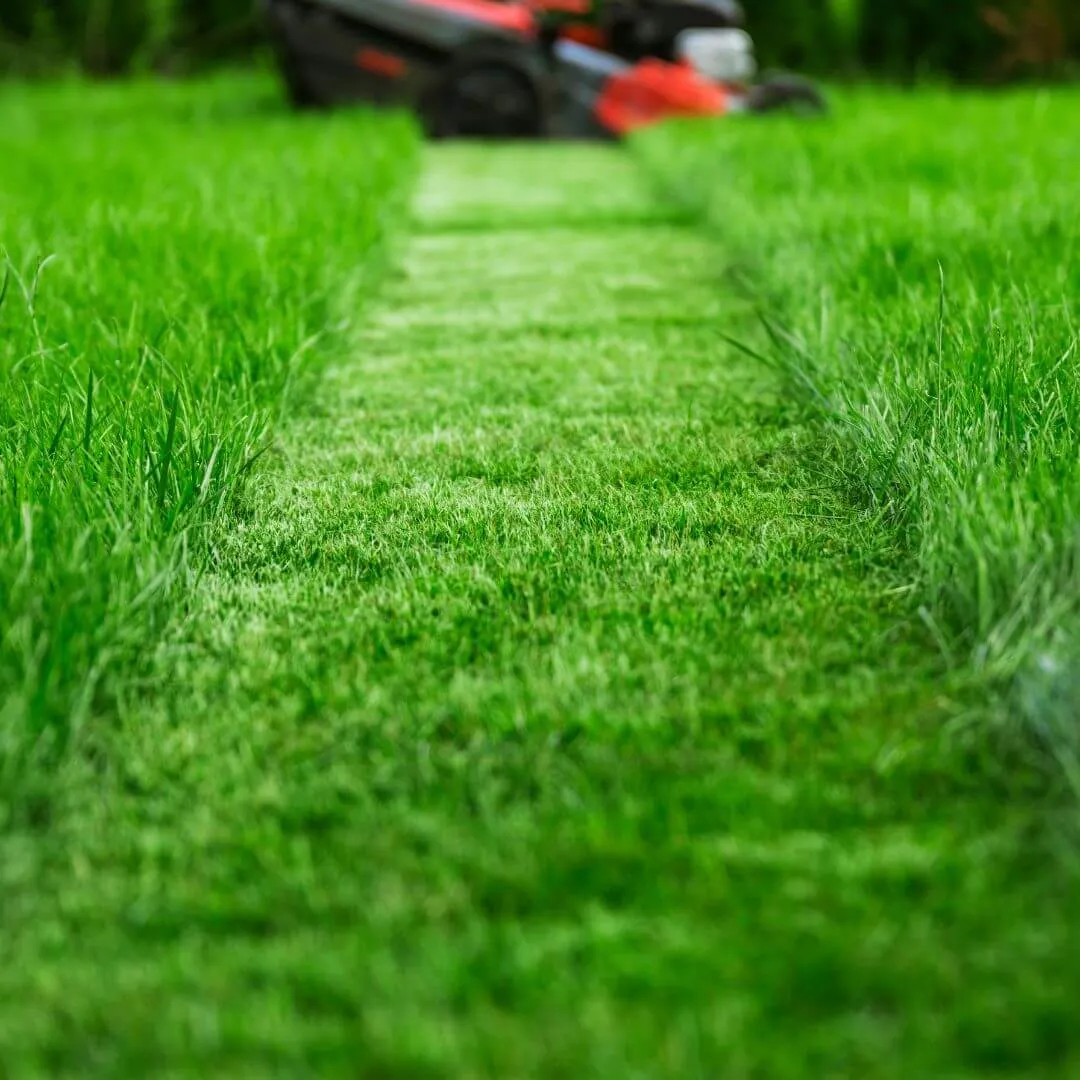
How you mow and water the lawn directly affects weed pressure.
Lawn products are not intended for mulched planting areas. DeSoto Turf offers a separate flower bed pre-emergent program for maintained beds.
COMMON LAWN QUESTIONS
These answers cover treatment timing, weed response, fertilizer, watering, mowing, and what to expect after each visit.
We take the time to understand your concerns, explain which service fits, and what you can expect after each service. You will have a clear starting point and practical guidance for what comes next.